Inkjet coding machinery
How to choose an inkjet coder
Choosing correctly prevents poor print quality, unreadable codes, high running costs and awkward operator routines.
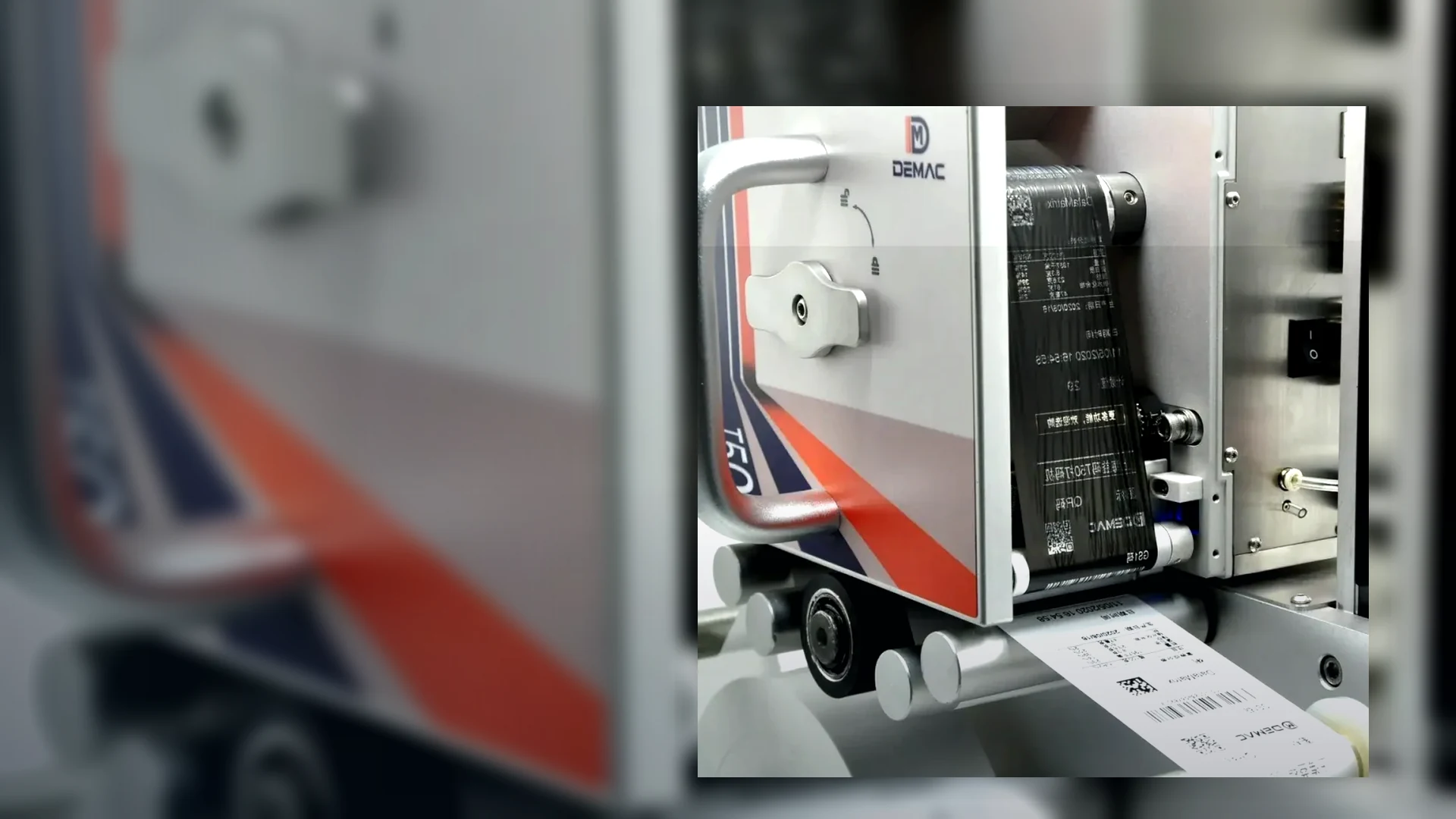
Choosing correctly prevents poor print quality, unreadable codes, high running costs and awkward operator routines.
Confirm whether the print surface is cardboard, plastic, glass, metal, film, foil, label stock, coated carton or a wet/oily/dusty surface.
Confirm conveyor speed or packs per minute. Include product pitch if the gaps vary or multiple lanes are involved.
Send the exact code content, character height, number of lines and whether QR codes, barcodes or logos are required.
Show where the code must be printed and how much space is available for the print head, stand, sensor and operator access.
Note washdown, dust, temperature, condensation, solvents, food environment requirements and cleaning procedures.
Confirm whether the coder needs a conveyor, encoder, reject system, line stop, data connection or guarding interface.
Send these details to Lancing and we can narrow the options quickly.
Send detailsSend the product material, photos of the pack, code content, required print size, line speed, environment and where the code needs to be printed.
For production lines, yes. A fixed coder gives repeatable triggering and print position. Handheld coders are better for low-volume or occasional marking.
A test print is recommended for glossy, wet, oily, dusty, curved or regulated packaging, or where barcode readability is important.
A strong enquiry states the operating window and acceptance evidence. Complete the fields below before comparing model names or prices.
| Requirement | What to record |
|---|---|
| Product and pack | Material, supplier, colour, coating, size range, curvature and photographs of every code face. |
| Surface condition | Temperature, moisture, oil, dust, mould release, cleaning residue and time before handling. |
| Message | Exact date, lot, text, logo, barcode or 2D content; fonts, number of lines and smallest code. |
| Production | Conveyor speed, products/minute, pitch range, lanes, shifts, batches and changeovers. |
| Mounting | Line direction, working height, print position, available space, guarding and operator access. |
| Controls | Product sensor, encoder, PLC I/O, data source, recipe selection, network and remote support. |
| Inspection | Visual check, OCR, scanner read, formal verification, reject or line-stop requirement. |
| Environment | Ambient limits, dust, washdown, chemicals, ventilation, hazardous-area and utilities. |
| Ownership | Consumables, service parts, cleaning, training, spares, support and expected operating life. |
| Acceptance | Samples, speed, duration, code quality, adhesion, data challenges and sign-off evidence. |
Speed, resolution and print height are linked. Require values for the exact message, font, number of lines and configuration rather than independent maximum figures.
Record the approved ink or cartridge part number, compatible substrates, storage, shelf life, dry time and any ventilation or handling requirements.
Clarify warranty, planned maintenance, software licences, remote support, training, critical spares and who supports the integration interfaces.
Write down the test before sending samples. Include the real pack condition, actual message, normal and worst-case line speed, print gap, handling time and inspection method. Keep an approved sample and the printer, ink and setting references. If a supplier cannot reproduce the agreed conditions, treat the result as indicative rather than final approval.
Attach this information to your enquiry for a faster, more specific recommendation.
Send a coding specification