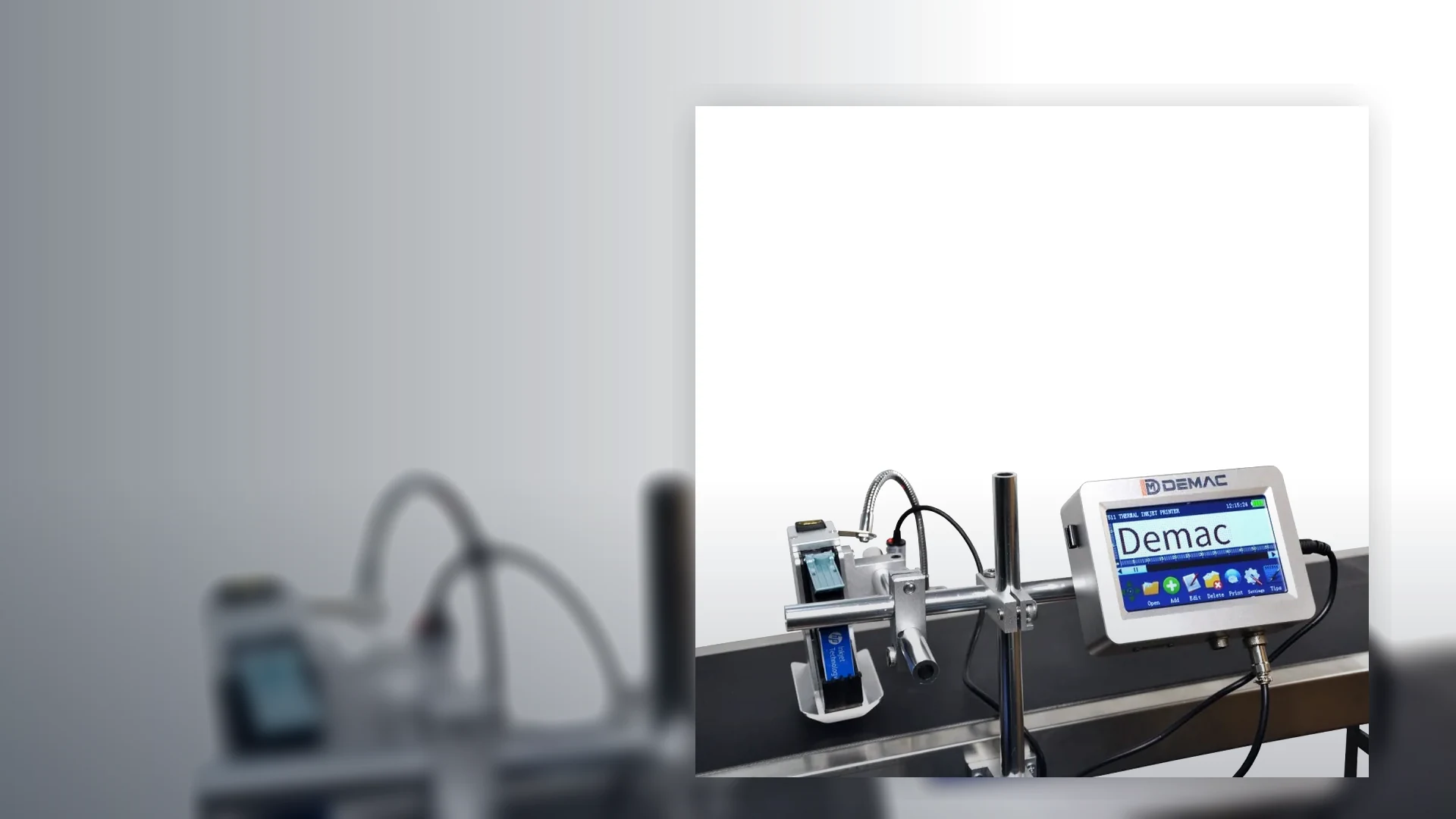
Bottle coding
Expiry, batch and traceability codes on plastic bottles, glass bottles, jars and containers.
View details →Inkjet coders for applying expiry dates, batch numbers and traceability codes to cans, jars, tubs, pots and rigid containers on moving production lines.
Cans, jars and tubs can be harder to code than flat cartons because the print area may be curved, recessed, wet, cold or presented at speed. CIJ is commonly considered for curved and faster moving containers, while TIJ may work on labels, lids or flat panels where the print distance is controlled.
| Typical products | Cans, jars, pots, tubs, lids, labels and rigid containers |
|---|---|
| Common print | Expiry date, best-before, batch, lot, line ID and QR code |
| Recommended checks | Surface curve, condensation, product speed, print area, ink contrast and dry time |
| Related options | Bottle coding, food date coding and continuous inkjet coders |
The same printed code can need a different machine depending on speed, distance, product control, ink adhesion and pack movement. These checks help narrow the options before testing.
Send it with your enquiry so the coder type, bracket position, print head access and ink choice can be reviewed properly.
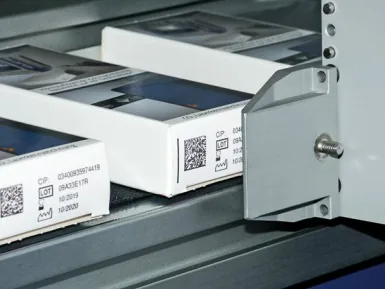
Compare related coder types, applications and specification guidance.
Expiry, batch and traceability codes on plastic bottles, glass bottles, jars and containers.
View details →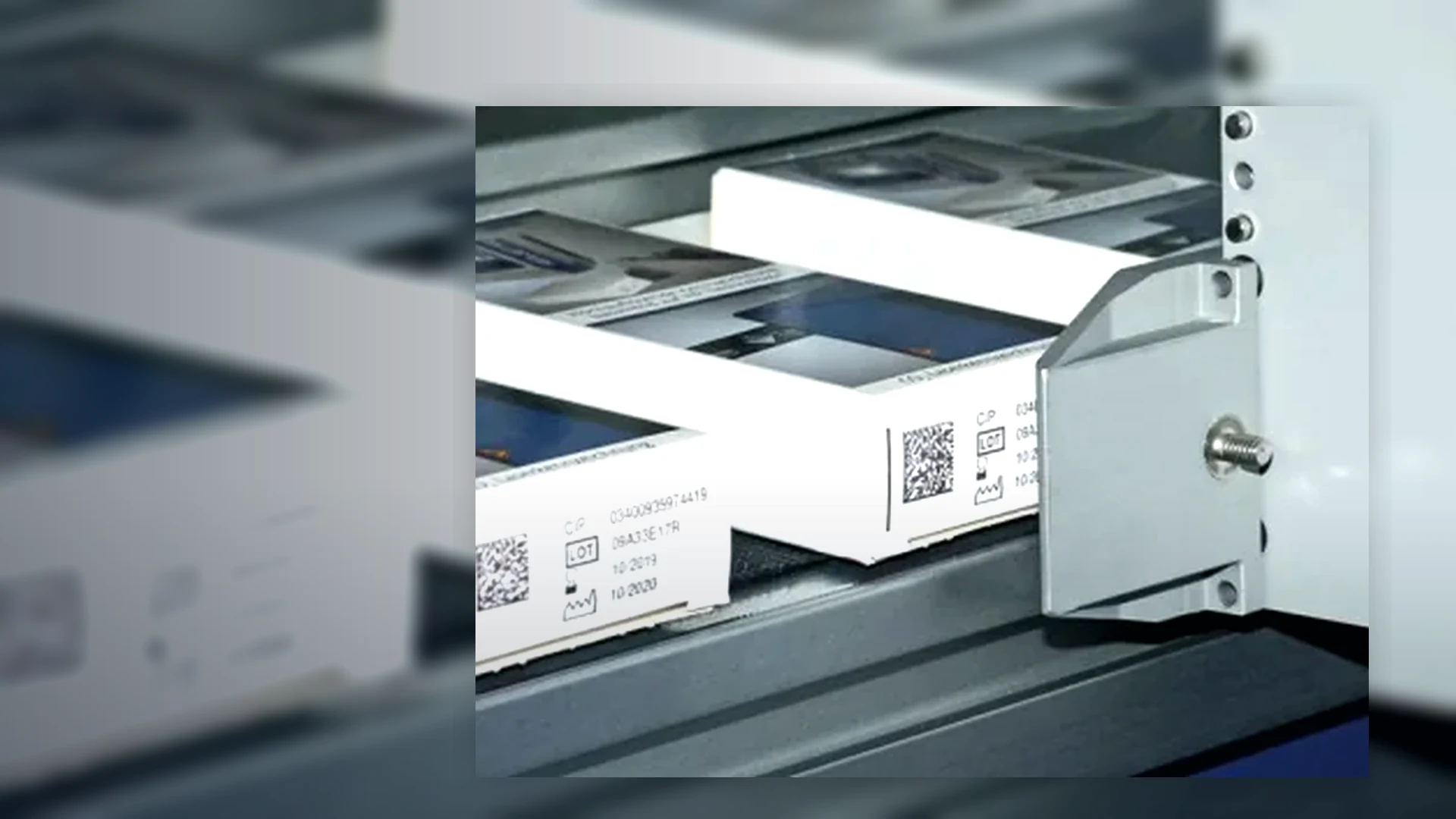
Best-before, use-by, lot and batch coding for food and drink packaging.
View details →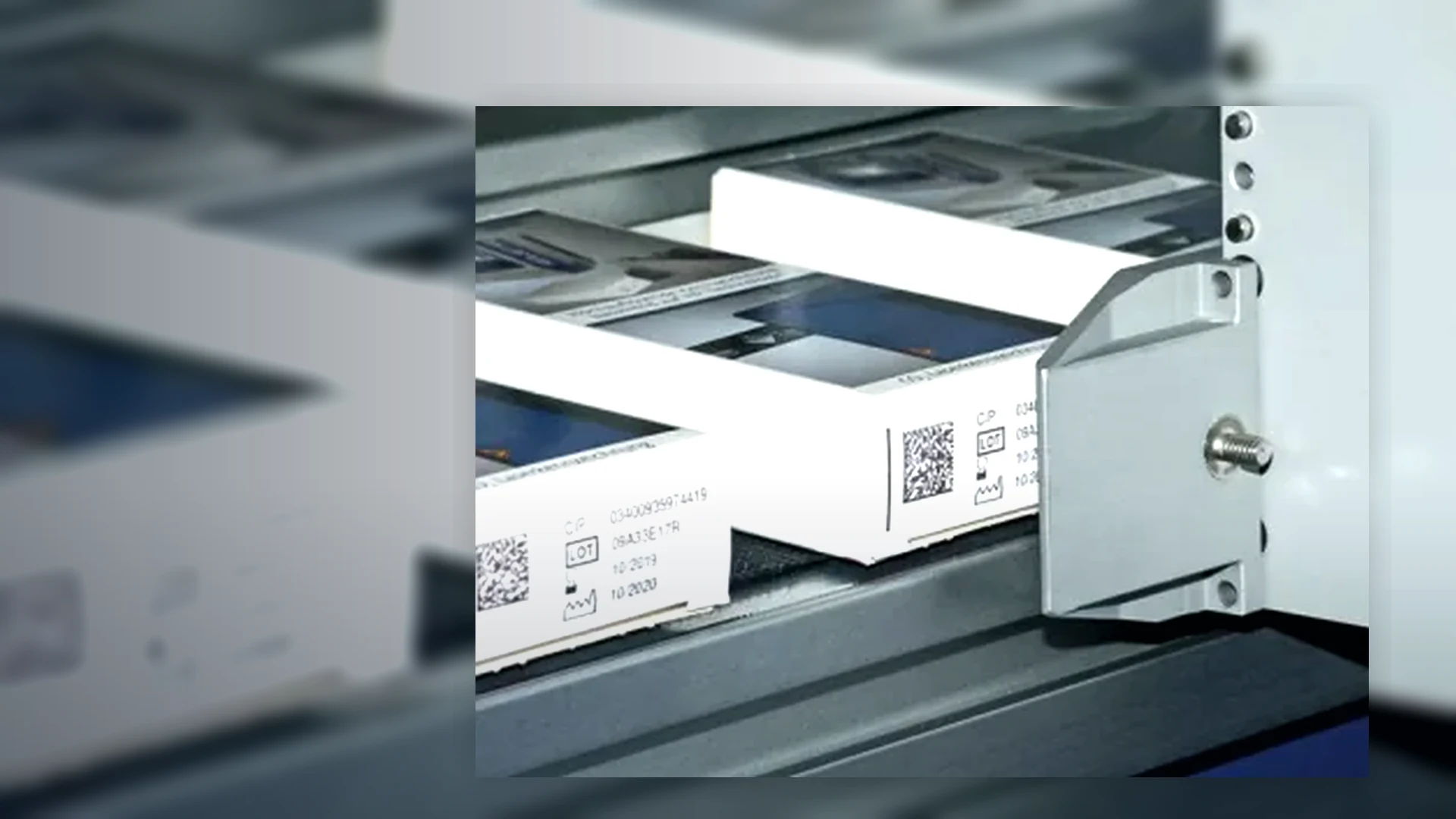
Non-contact CIJ date and batch coding for fast, curved, wet or varied products.
View details →Send pack photos, code artwork, material, speed, code position and available line space. Lancing can then advise on the most suitable inkjet coding route.
Tell us what you need to code and where the coder has to fit on the line.
Cans, jars and tubs may be curved, reflective, chilled, dusty or oily. A stable code depends on the surface at the exact point where the printer is installed.
Check lacquer, oil, condensation, curvature and the handling between coding and packing. Contrast and dry time should be approved after the can has passed normal conveyors and guides.
Glass colour, mould marks, moisture and reflections influence code visibility and sensor reliability. The shoulder, heel, base, cap or label may offer different trade-offs.
Resin, recycled content, surface treatment, lid material and mould-release residue can change adhesion. Flat lids or labels may suit TIJ; curved bodies often lead to CIJ comparison.
Provide the diameter, height and full size range. Confirm whether products rotate, wobble or touch each other. Use recipe-controlled or clearly indexed adjustments for guide rails, sensor and printhead position so that the code stays in the approved area after changeover.
Where lids are coded separately, define how the lid code remains associated with the correct filled product.
Approve the code after cooling, drying, lidding, labelling, case packing and any retort, wash or wipe process that applies. Include the longest and shortest time before contact with guides or secondary packaging.
Retain an approved sample and record the ink, machine settings and pack supplier.
Yes where the lid can be presented consistently and the ink is proven on the coating. Check reflections, embossing and the time before lids are stacked or handled.
Possible controls include moving the coding point, drying the surface, allowing warming time or selecting a compatible ink. The chosen route must be proven in production conditions.
It can where guides and printhead position have enough adjustment and each format remains stable. Define the change parts or settings and test the extremes.
Select a visible area clear of mould marks, labels, seams and handling contact. The base, cap or label may be better than the curved body depending on the line.
Ink colour, opacity, surface gloss, lighting and code position all matter. A pigment or contrasting ink may be considered where compatible with the selected printer and application.
Send all container formats and describe the product condition at the coding point.
Review can, jar or tub coding