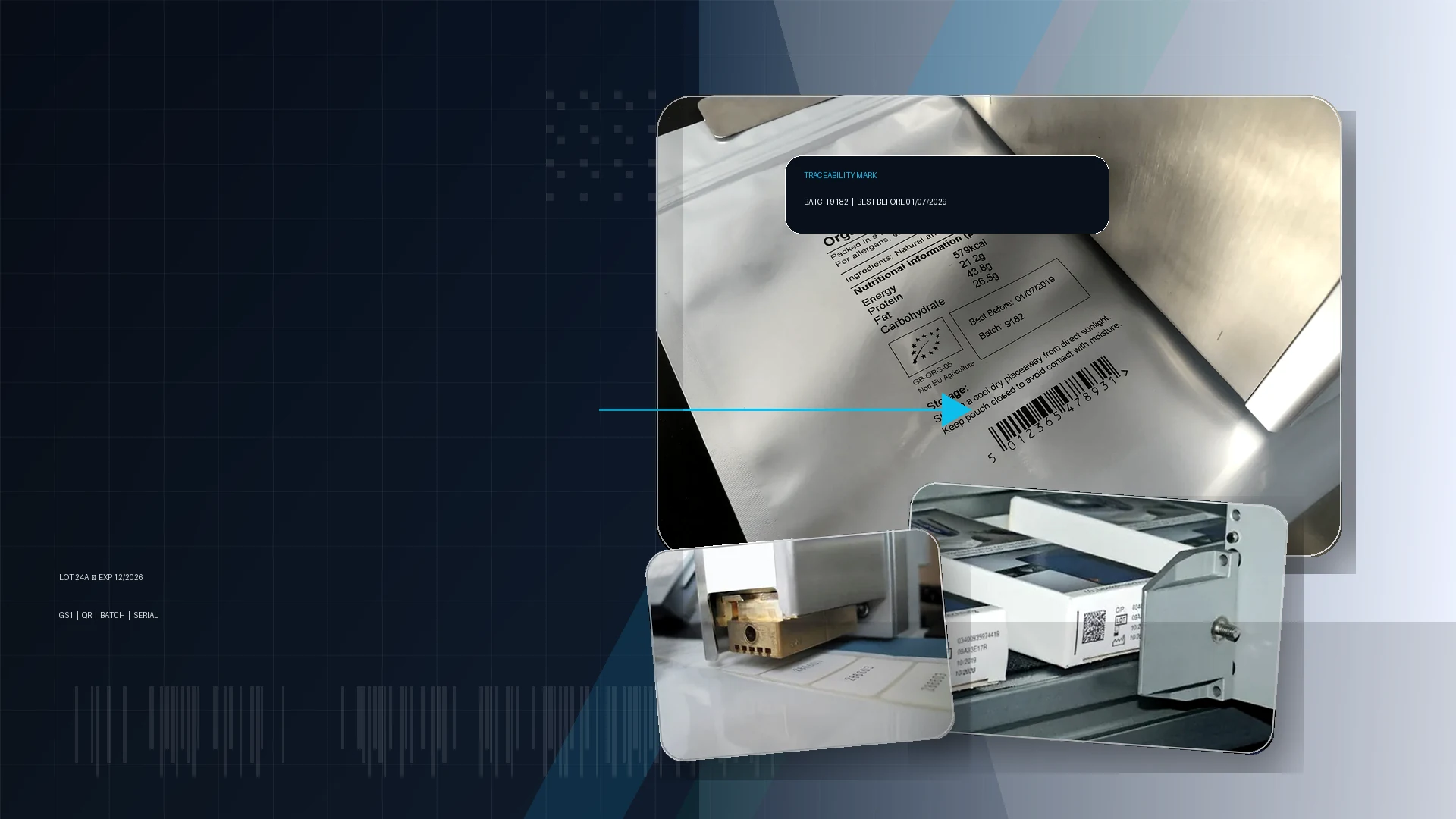
Industrial inkjet printer
Non-contact product and packaging marking for manufacturing lines.
View details →Industrial inkjet coders for batch numbers, lot codes, product IDs, carton marks and traceability print on containers, labels, cases, sacks and components.
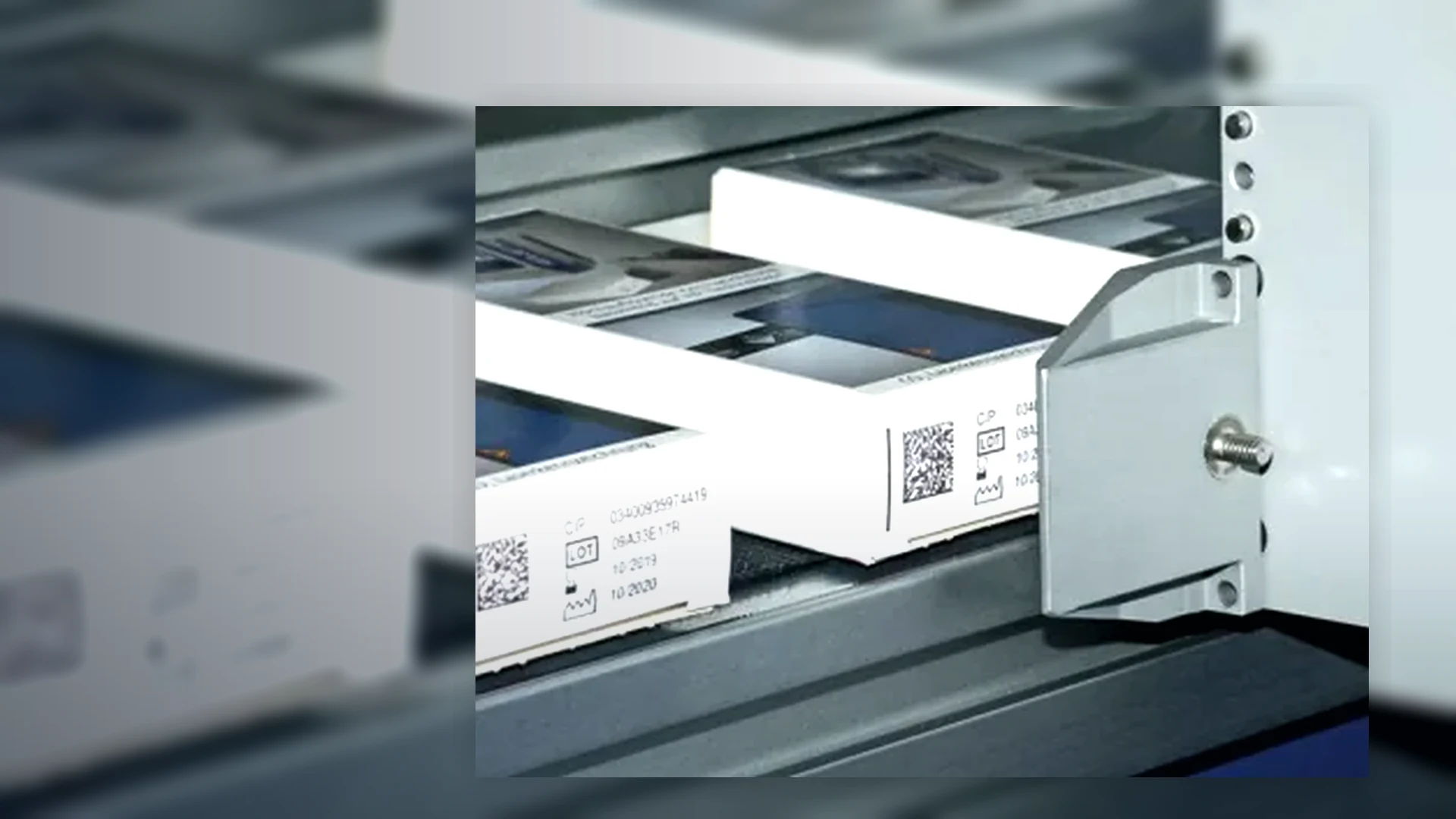
Industrial coding projects are often shaped by the production environment: dust, vibration, large packs, variable product positioning and tougher substrates. The selected coder must be matched to the mark size, stand-off distance, ink contrast and mounting position.
| Typical packs | Containers, cartons, cases, sacks, drums, pails, trays and industrial parts |
|---|---|
| Common print | Batch, lot, product ID, destination code, handling mark, QR code and barcode |
| Main considerations | Dust, vibration, product distance, print height, ink contrast and mounting access |
| Related options | Industrial inkjet printers, large character inkjet coders and batch code printers |
A good recommendation starts with the product material, required code, speed, code position, production environment and whether the code is being applied to the primary pack or outer packaging.
Send it with your enquiry so the coder type, bracket position, print head access and ink choice can be reviewed properly.
Compare related coder types, applications and specification guidance.
Non-contact product and packaging marking for manufacturing lines.
View details →Case and carton marking for outer packaging, trays, sacks and transit boxes.
View details →Send pack photos, code artwork, material, speed, code position and available line space. Lancing can then advise on the most suitable inkjet coding route.
Tell us what you need to code and where the coder has to fit on the line.
Industrial products can be dusty, oily, chemically exposed, stored outdoors or presented in heavy containers. Ink adhesion, contrast and safe installation may matter more than decorative print quality.
Document oils, mould release, dust, corrosion protection and cleaning agents. Trial the product in normal condition rather than a specially cleaned sample.
Define the time, abrasion, weather, chemical contact and storage conditions the code must survive, then agree a practical test method.
Identify hazardous-area, ventilation, solvent, electrical and environmental requirements before selecting a printer or ink. Use competent site review where required.
CIJ may suit moving containers, components, cables or extrusions; large-character inkjet can mark sacks and cases; handheld systems may suit low-volume drums or oversized items. The selected technology must meet the required character height, throw distance, enclosure rating and connectivity for the site.
For durable codes, inspect after the agreed cure time and exposure rather than relying on an immediate thumb rub.
Send the safety information, substrate, exposure requirement and code artwork.
Review industrial coding