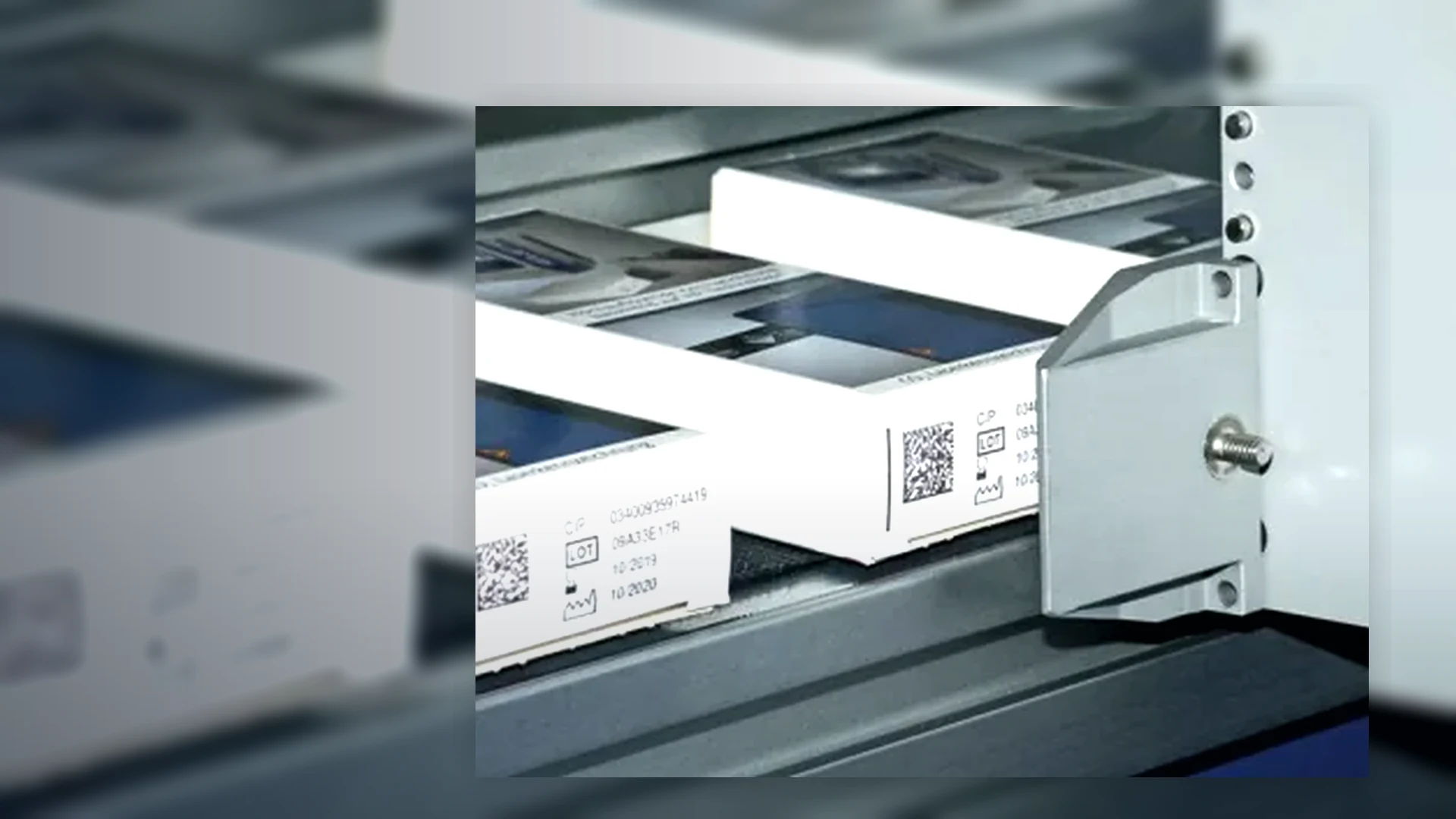
Continuous inkjet coders (CIJ)
Non-contact inkjet coders for fast moving bottles, cans, containers, flexible packs and irregular products where the code has to be applied while the line keeps moving.
View details →Get the right CIJ, TIJ or carton coding system for your bottle, pouch, label, sleeve, tray or case line.
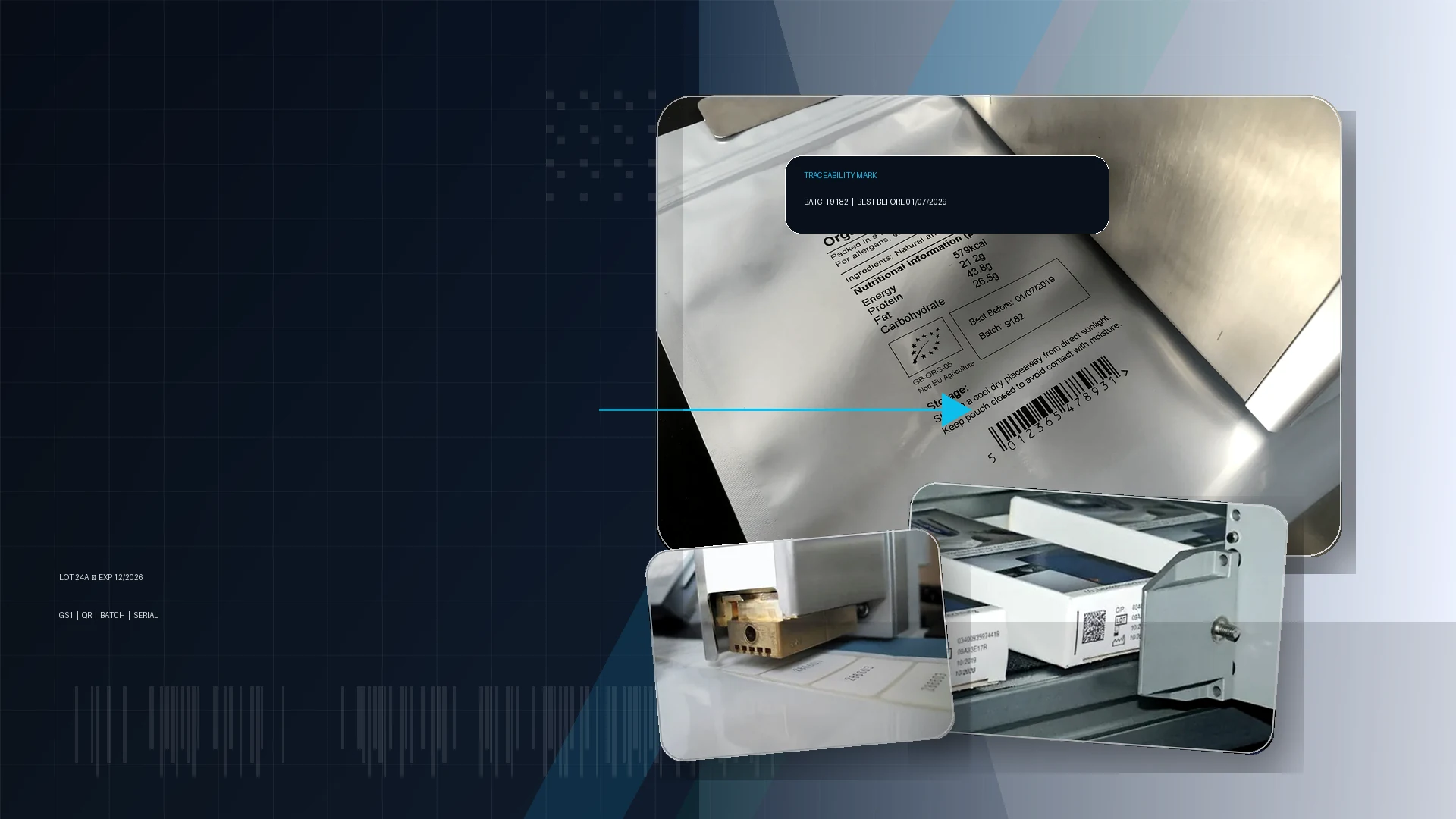
Inkjet coding is not one machine type. The best option depends on speed, substrate, print height, cleaning routine, line control and the type of code you need to apply.
Non-contact inkjet coders for fast moving bottles, cans, containers, flexible packs and irregular products where the code has to be applied while the line keeps moving.
View details →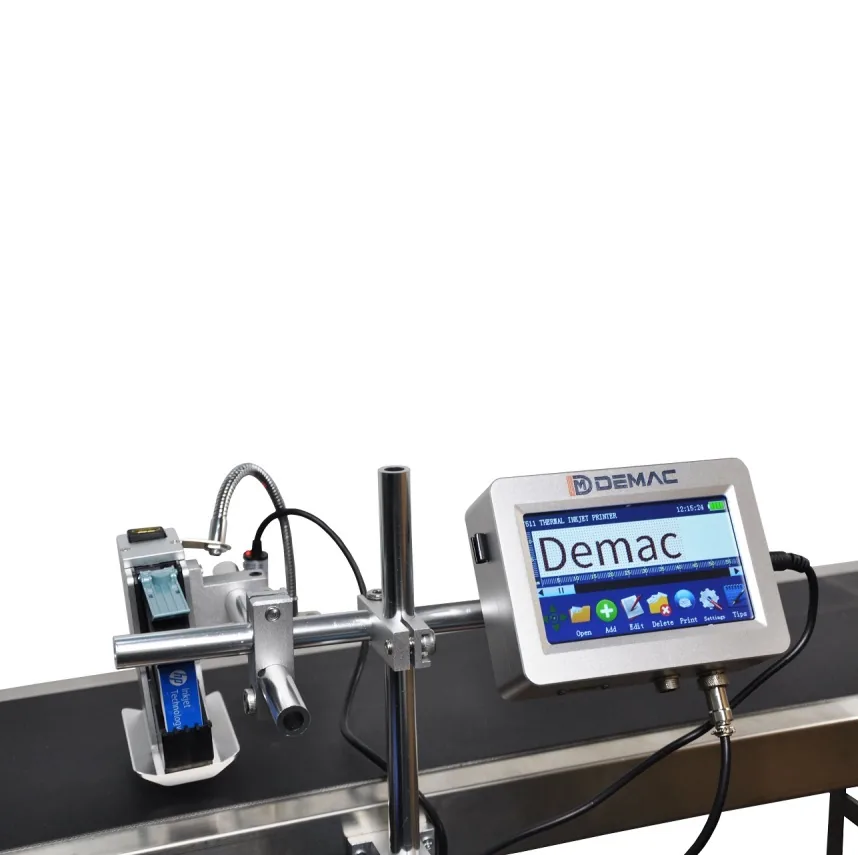
Clean cartridge-based inkjet printers for cartons, sleeves, labels, trays and porous or coated packaging where crisp text, QR codes and barcodes are required.
View details →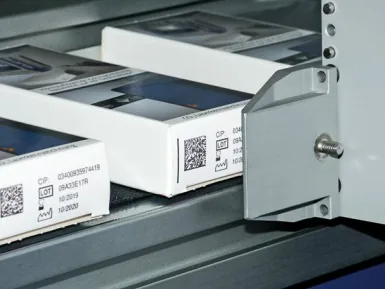
Industrial inkjet marking systems for outer cases, transit boxes and trays, replacing pre-printed cartons with flexible variable print.
View details →
Portable inkjet coders for low-volume date coding, batch marking and large item identification without installing a full conveyor system.
View details →Correct inkjet coding starts with the product presentation. We look at conveyor speed, product pitch, sensor position, print distance, code location, guarding, washdown level and operator changeover before recommending a system.
Choose by the pack type you need to code, then narrow the machine by line speed, print position, substrate and the code content required.
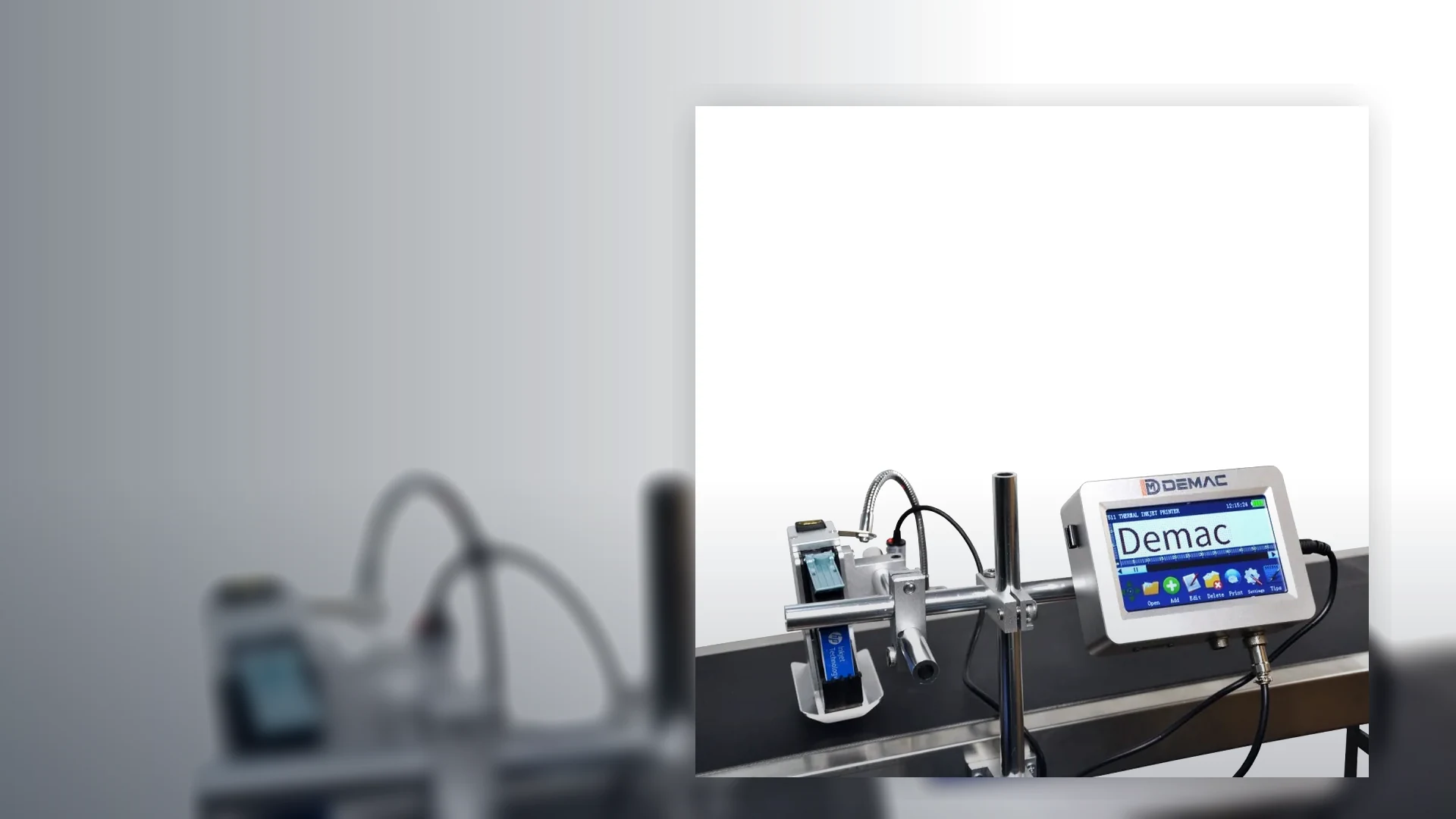
Print expiry dates, batch numbers and traceability codes onto plastic bottles, glass bottles, jars, tins and small containers.
View details →Inkjet printers for retail cartons, shelf-ready packaging, shipping cases and end-of-line case marking.
View details →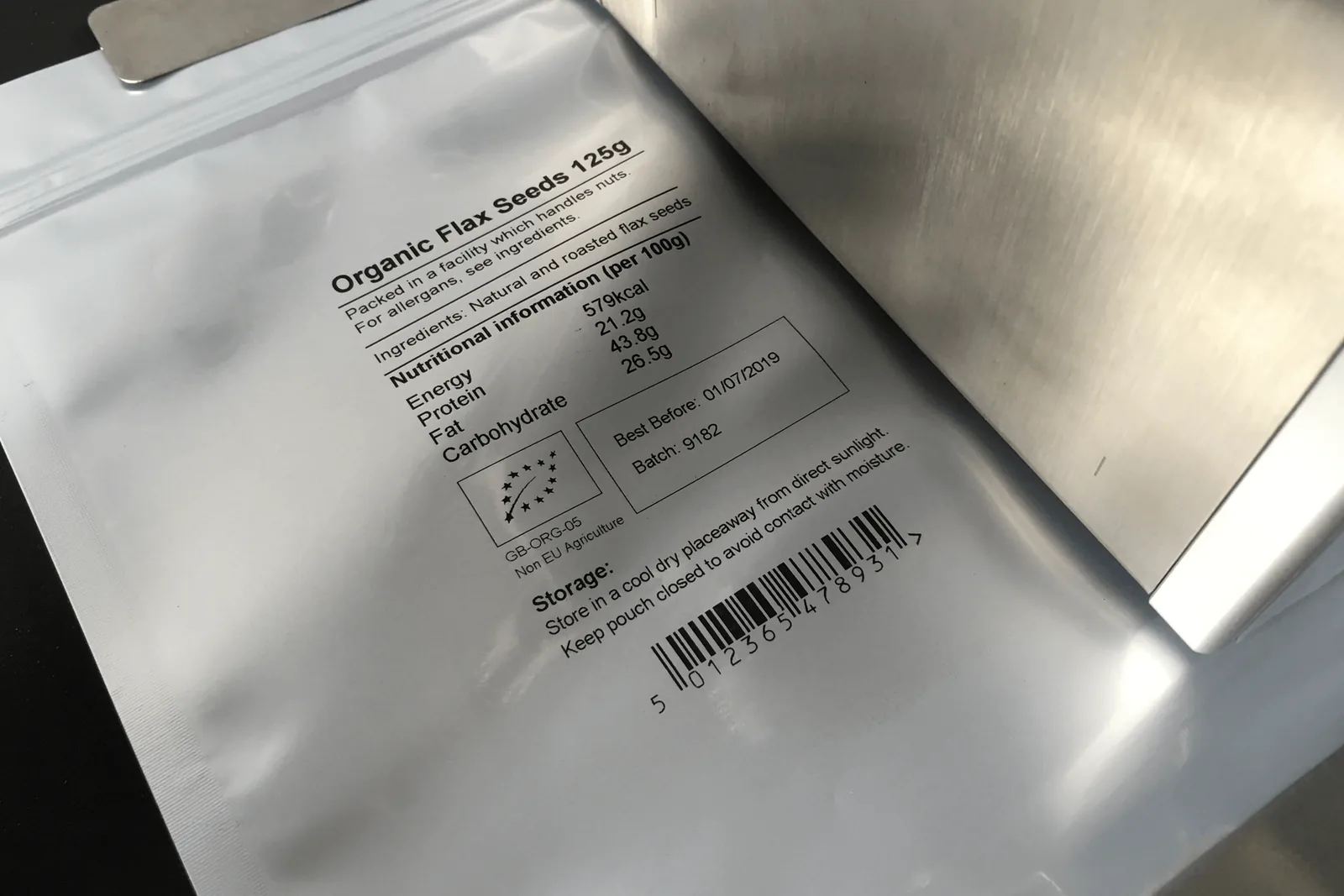
Inkjet and alternative coding solutions for stand-up pouches, bags, labels, sleeves and flexible packaging lines.
View details →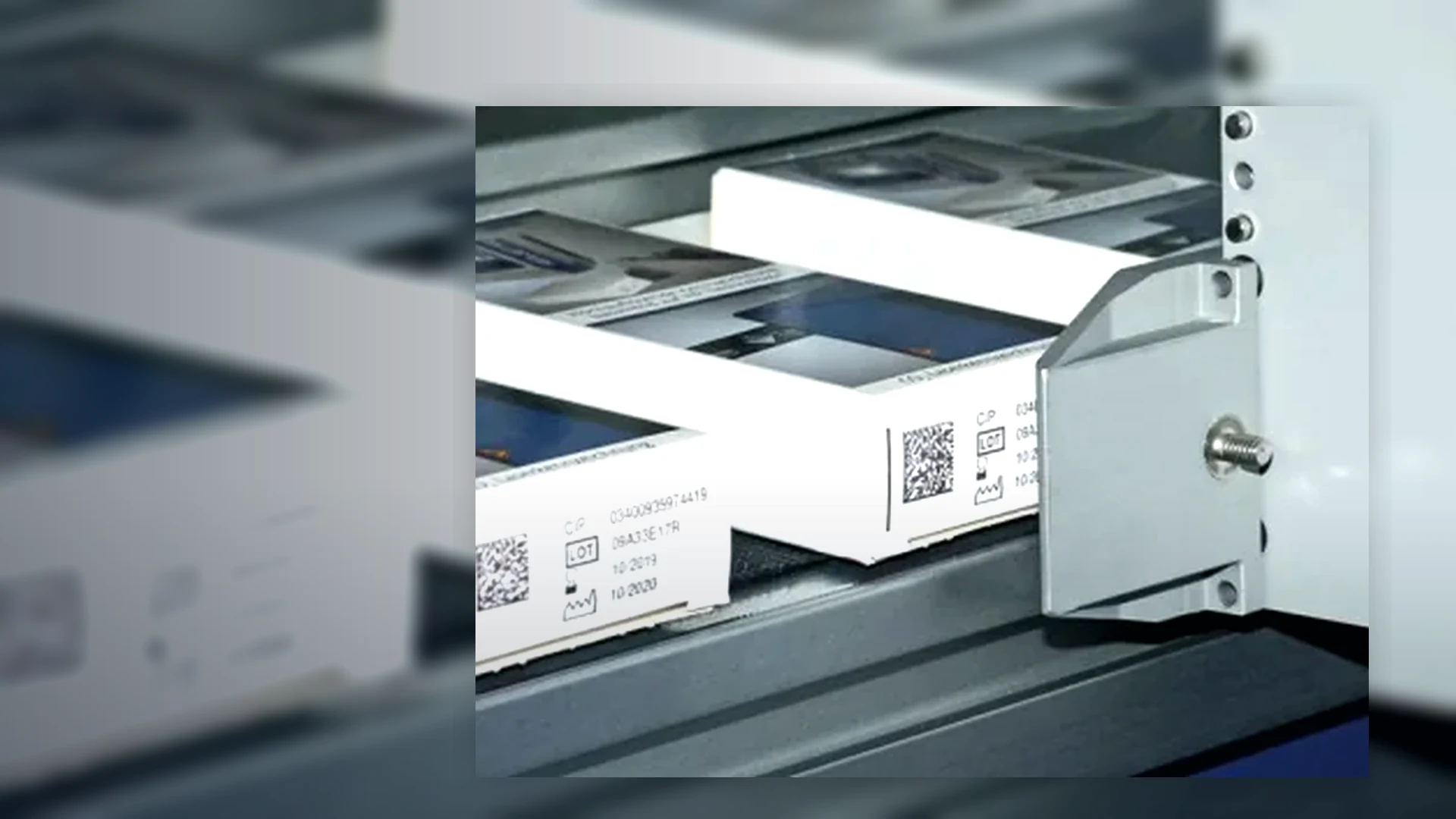
Best-before, use-by, lot and allergen coding systems for food, drink, bakery, sauces, pet food and contract packing.
View details →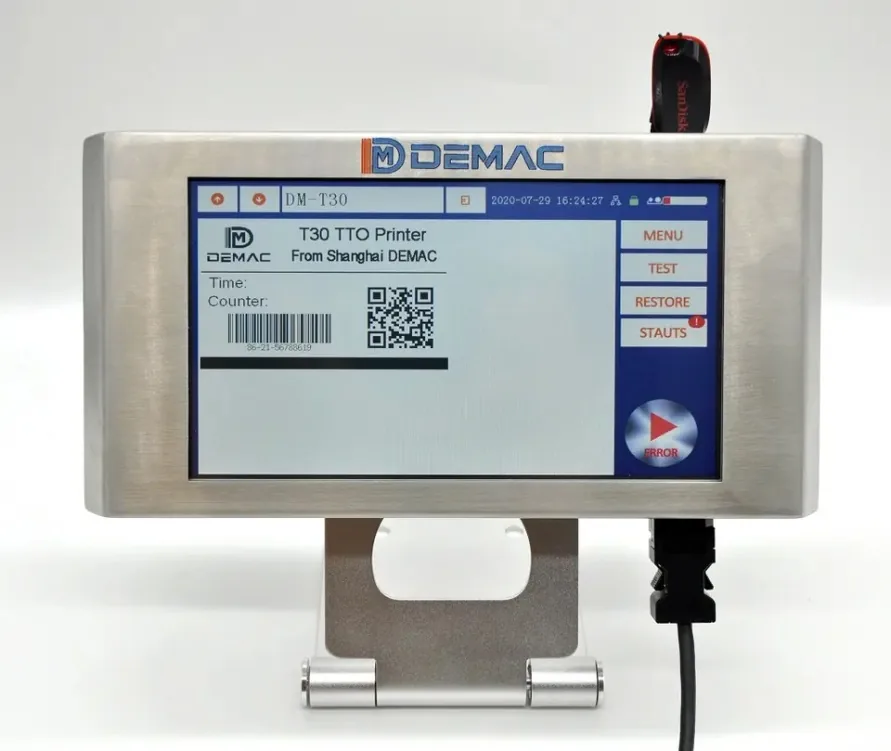
Batch, expiry, serial and 2D code printing for bottles, cartons, labels and regulated packaging workflows.
View details →
Integrate code verification, reject logic, label printing and data capture into new or existing production lines.
View details →Choose the right coder for your industry, whether you need food, beverage, cosmetics, pharmaceutical, chemical, industrial, contract packing or building material coding.
Date, batch, lot and QR code printing for food and drink packaging.
View details →Clean batch and expiry coding for bottles, tubes, cartons, labels and jars.
View details →Batch, expiry, 2D and traceability print for controlled packaging workflows.
View details →Batch, lot, product ID and outer case marking for industrial products.
View details →Flexible date and batch coding for mixed products, short runs and changeovers.
View details →Large character and batch marking for sacks, boxes, trade packs and cases.
View details →Match your date code, batch code, lot number, QR code, cardboard, plastic, bottle, carton, primary pack or secondary packaging requirement to the right machine type.
Start with your product or packaging problem, then compare the most relevant CIJ, TIJ or large character inkjet options.
Find machines for batch codes, expiry dates, date coding, industrial inkjet printing, QR codes and product traceability.
We can recommend the most suitable inkjet coder type, mounting arrangement and integration route.
Continuous inkjet is normally considered when the bottle is moving quickly, the surface is curved or the product position varies. Thermal inkjet can be suitable for flat bottle panels, labels, cartons and lower speed applications where high-resolution print is needed.
Yes. Inkjet coding systems are commonly used to print dates, batch numbers, lot codes, serial numbers, barcodes, QR codes and simple logos onto packaging and products.
Yes. Lancing can specify coder brackets, product sensors, encoder wheels, guarding interfaces, conveyors and installation support to suit an existing filling, capping, labelling or packing line.
A reliable result comes from matching the printing technology, ink, product presentation and controls to the real production conditions. The checklist below helps Lancing narrow the choice before a sample trial or quotation.
Send the container or pack material, colour, coating, curvature and the exact code position. Note condensation, oil, dust, release agents or cleaning chemicals that may affect adhesion.
Provide the complete message: date format, batch or lot reference, shift code, variable text, barcode or 2D code. State the smallest acceptable character or symbol and how it will be checked.
Confirm conveyor speed, products per minute, product pitch, available mounting space, line direction, working height, sensor position and whether an encoder, PLC, database, vision check or reject is required.
| Technology | Useful starting point | Important limitation to check |
|---|---|---|
| Continuous inkjet (CIJ) | Fast, non-contact coding on moving bottles, cans, containers and irregular products. | Ink and make-up fluid consumption, ventilation, routine cleaning and adhesion must suit the site and substrate. |
| Thermal inkjet (TIJ) | High-resolution text, barcodes and 2D codes where the print distance and product presentation can be controlled. | Cartridge chemistry, throw distance and printhead protection need to be proven on the actual pack. |
| Large-character inkjet | Outer cases, trays and cartons requiring larger variable text or direct-to-box information. | Porosity, carton colour, dust and barcode-quality requirements determine ink and printhead choice. |
| Handheld inkjet | Short runs, rework, warehouse marking and oversized items that are not presented on a fixed line. | Operator movement controls print quality, so jigs or a fixed system may be needed where repeatability matters. |
Trials should use production-grade packs in their normal condition, including any cold, damp, dusty or coated surfaces. Agree the print location, message, line speed, drying time and inspection method before the test. For machine-readable codes, distinguish a simple read check from formal barcode verification.
Where integration is required, define the product sensor, encoder, job selection, line-stop or reject response, data source and responsibility for each interface.
Send a sample pack, code artwork and short line video.
Lancing can use them to identify the most practical machine and trial route.