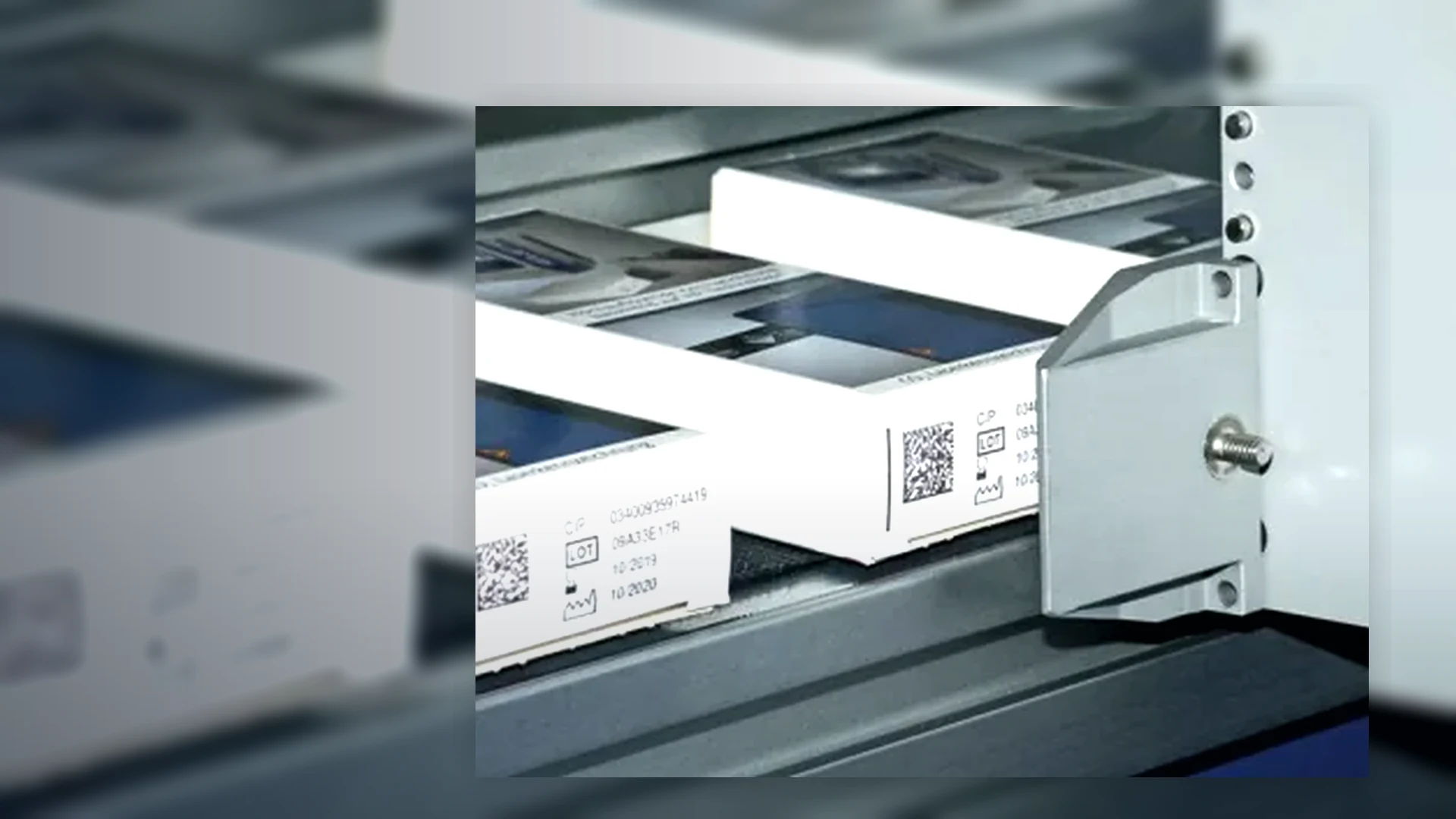
Continuous inkjet coders (CIJ)
Non-contact inkjet coders for fast moving bottles, cans, containers, flexible packs and irregular products where the code has to be applied while the line keeps moving.
View details →Compare continuous inkjet coders, thermal inkjet printers, large character case coders and portable inkjet systems for packaging and product marking.
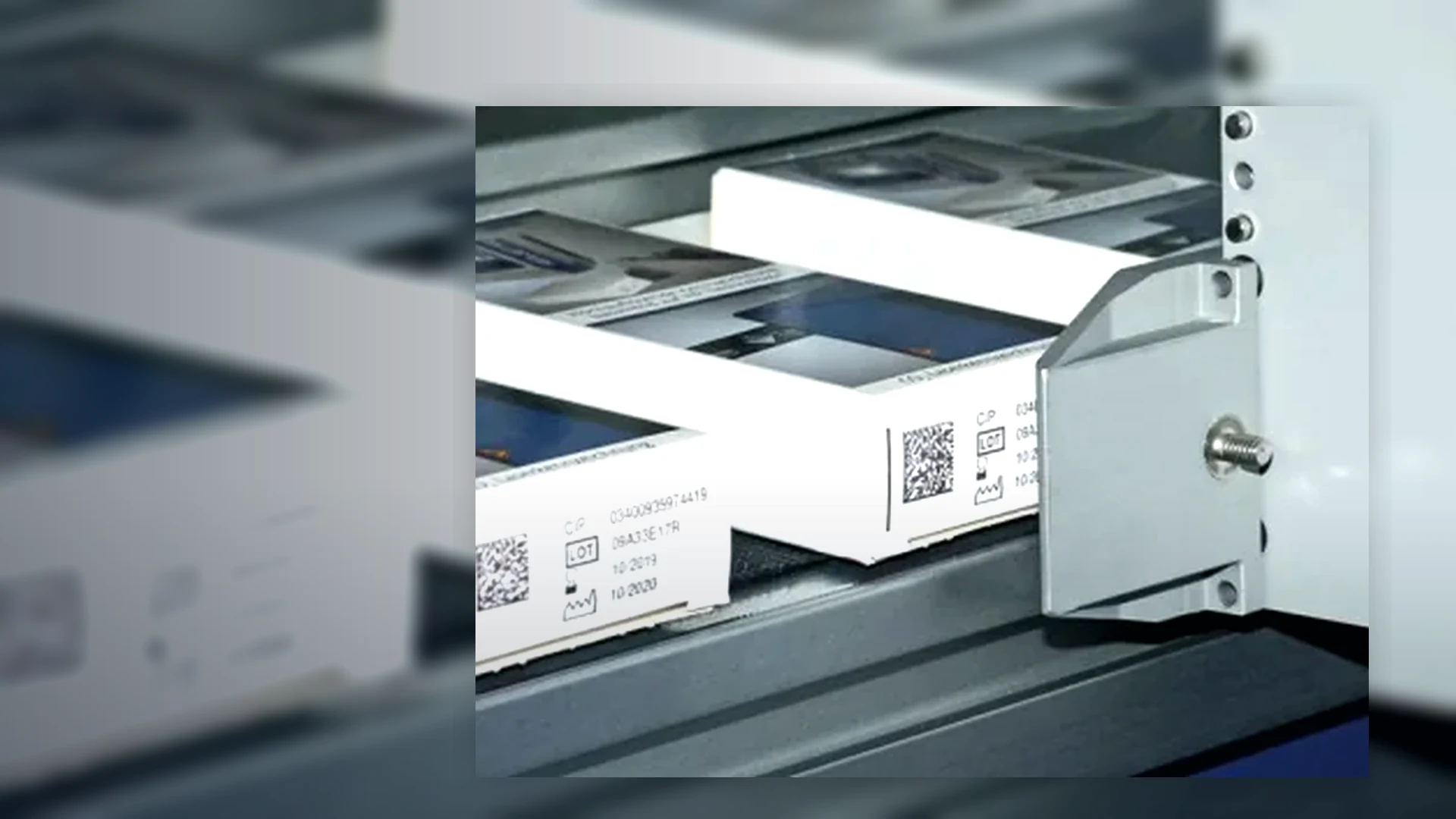
Each coding technology solves a different production issue. Use this range as a starting point, then send product samples for a practical recommendation.
Non-contact inkjet coders for fast moving bottles, cans, containers, flexible packs and irregular products where the code has to be applied while the line keeps moving.
View details →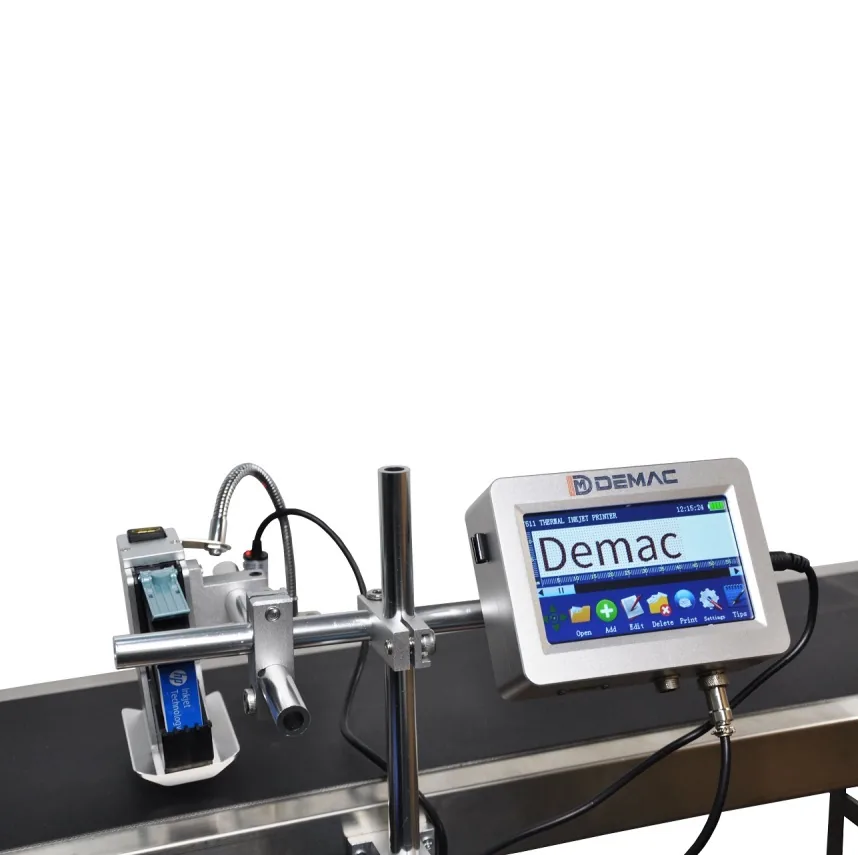
Clean cartridge-based inkjet printers for cartons, sleeves, labels, trays and porous or coated packaging where crisp text, QR codes and barcodes are required.
View details →
Industrial inkjet marking systems for outer cases, transit boxes and trays, replacing pre-printed cartons with flexible variable print.
View details →
Portable inkjet coders for low-volume date coding, batch marking and large item identification without installing a full conveyor system.
View details →| Coder type | Best suited to | Typical print | Key considerations |
|---|---|---|---|
| Continuous inkjet coder | High-speed bottles, containers, curved packs and variable product spacing | Expiry dates, lot codes, simple text, 1D/2D codes depending on model | Ink management, solvent handling, service routine and ventilation |
| Thermal inkjet printer | Cartons, labels, sleeves, trays and flatter surfaces | High-resolution text, QR codes, barcodes, logos and address-style data | Print distance, cartridge cost, substrate coating and dry time |
| Large character inkjet coder | Outer cases, transit boxes, timber, sacks and trays | Large text, product ID, batch, destination and handling marks | Print height, porous surface, mounting position and case tracking |
| Handheld inkjet coder | Low-volume products, oversized items and occasional warehouse marking | Date, batch, text, logos, barcodes and simple variable data | Operator consistency, surface contact guides and production volume |
CIJ uses a continuous ink stream and is often selected for fast lines and curved products. TIJ uses replaceable cartridges and is often selected for high-resolution text, cartons, labels and cleaner operation.
Many thermal inkjet systems do not need compressed air. Some CIJ systems and cleaning or guarding arrangements may require air depending on specification.
Often yes, provided the products pass the print head at a controlled distance and the code location can be reached. Changeover brackets or adjustable stands may be required.
The correct machine is determined by the print surface, code content, product control and production environment. These engineering differences are more useful than comparing headline speed alone.
| Selection point | CIJ | TIJ | Large character | Handheld |
|---|---|---|---|---|
| Typical presentation | Moving products with variable shape or spacing | Well-controlled flat or near-flat print zone | Cases and cartons on conveyors | Manual pass across the product |
| Code style | Small text, dates, lots and simple machine-readable codes | Crisp text, graphics, barcodes and 2D codes | Large text, case data and selected barcodes | Text, dates, logos and codes subject to operator control |
| Consumables | Ink plus make-up fluid on solvent systems | Replaceable ink cartridges | Ink supply matched to porous or non-porous cases | Cartridge or compact ink supply, model-dependent |
| Integration focus | Printhead mounting, sensor, encoder and line I/O | Tight throw distance, stable product and data handling | Carton guidance, print height and case data | Jig, guide and operator work instruction |
| When to reconsider | Very high-resolution graphics or long content | Uncontrolled curvature, vibration or print gap | Retail-quality labels or compliance labels | Continuous production or automated verification |
For each quoted machine, confirm print height and lines, resolution at the proposed speed, permitted throw distance, enclosure or IP rating, communication ports, ambient limits and approved inks. Values must apply to the exact configuration, not a different model in the same family.
Include ink, make-up fluid or cartridges, scheduled service parts, cleaning time, start-up and shutdown routine, waste handling, operator intervention and likely downtime. A low purchase price can be outweighed by poor suitability or high consumable use.
Use representative packs and an agreed message at the intended line conditions. Define acceptable legibility, adhesion, position, dry time and machine-readable code checks before treating a sample as approved.
Inkjet Coder UK focuses on CIJ, TIJ, large-character and handheld inkjet systems. Where moving flexible film needs ribbon-based thermal transfer overprinting, use Lancing's dedicated thermal transfer overprinter guidance. For a complete filling, capping, labelling or end-of-line project, the wider packaging line integration route can be assessed separately. This keeps the coder recommendation centred on the actual print process rather than forcing every application into inkjet.
Start with the actual pack and code requirement rather than a generic printer specification.
Ask Lancing to compare optionsPrinter type is only the first decision. Compare how each route handles the real pack, consumables, data, maintenance, inspection and line recovery.
The technology pages explain CIJ, TIJ, case and handheld principles. These model references add current Lancing configuration data for a more specific quotation shortlist.
| Model | Format | Reference print height | Reference speed or output |
|---|---|---|---|
| LU-TIP15 | Continuous inkjet (CIJ) | Approximately 1.8–15 mm | Approximately 285 m/min, application-dependent |
| LU-DC127 | Thermal inkjet (TIJ) with integrated conveyor | Approximately 2–12.7 mm | Approximately 5–20 products/min, product-dependent |
| LU-IIP600-B | Bolt-on thermal inkjet (TIJ) | Approximately 2–12.7 mm per printhead | Application-dependent |
| LU-DC1S | Handheld cartridge inkjet | Approximately 2–12.7 mm | Application-dependent |
| LU-IIP550 | Configurable inline cartridge inkjet | Approximately 2–152.4 mm, configuration-dependent | Up to approximately 120 m/min print-system capability |
Reference figures are configuration-dependent. Final selection requires the actual product, message, line conditions and sample approval.
Compare the full model specification, then send Lancing the pack and line evidence.
Compare Lancing coder models