Packaging line traceability
Coding, sensors, verification, rejects and data capture for production lines.
View details →Inkjet coding and integration support for batch, expiry, 2D code and traceability print on healthcare cartons, labels, bottles and packs.
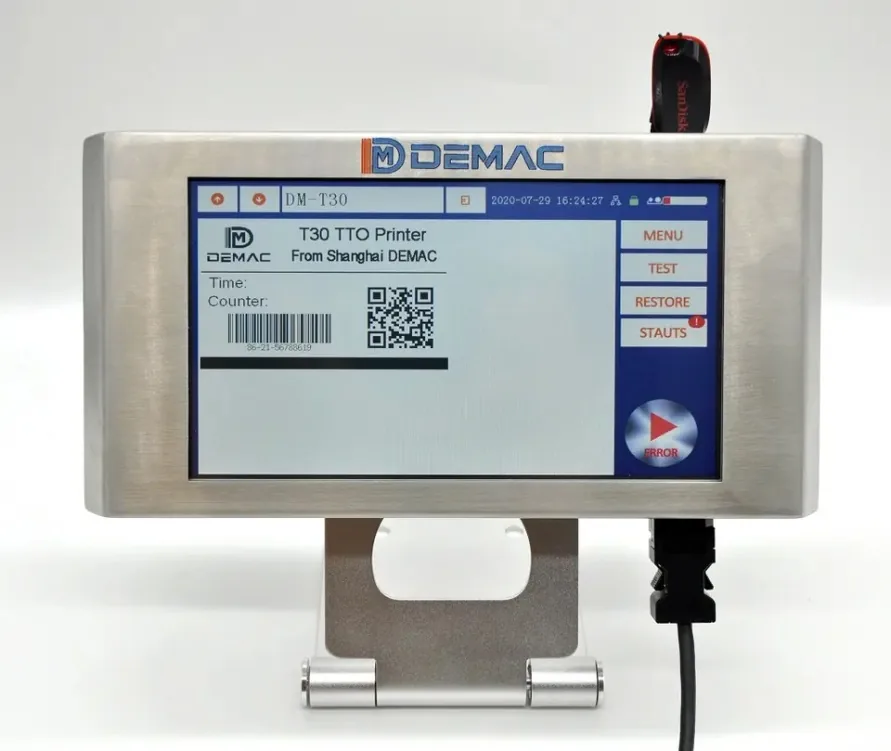
Healthcare and pharmaceutical coding projects usually place extra weight on code readability, operator control, data accuracy, verification and reject confirmation. Lancing can advise on the coding technology and the surrounding line components needed for a robust process.
| Typical packs | Cartons, labels, bottles, sachets, sleeves and healthcare retail packs |
|---|---|
| Common print | Batch, expiry, serial, GS1-style data, 2D codes, QR codes and product IDs |
| Main considerations | Readability, verification, reject confirmation, data control and operator access |
| Related options | Packaging line traceability, QR code inkjet printers and thermal inkjet printers |
A good recommendation starts with the product material, required code, speed, code position, production environment and whether the code is being applied to the primary pack or outer packaging.
Send it with your enquiry so the coder type, bracket position, print head access and ink choice can be reviewed properly.
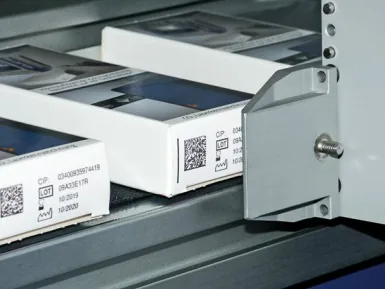
Compare related coder types, applications and specification guidance.
Coding, sensors, verification, rejects and data capture for production lines.
View details →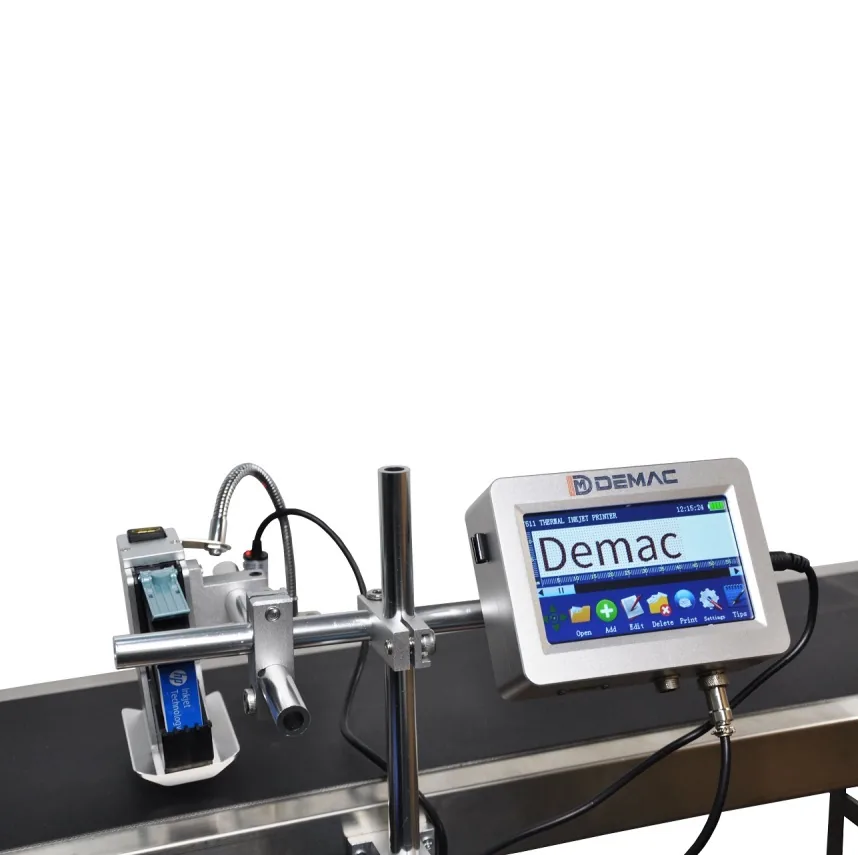
High-resolution variable data, QR code and barcode printing for packaging.
View details →High-resolution TIJ print for cartons, labels, sleeves, QR codes and barcodes.
View details →Send pack photos, code artwork, material, speed, code position and available line space. Lancing can then advise on the most suitable inkjet coding route.
Tell us what you need to code and where the coder has to fit on the line.
Healthcare coding projects may include controlled users, approved messages, variable or serial data, inspection, reject handling and records. The manufacturer must define the applicable regulatory and quality requirements for the product and market.
Specify roles, permissions, template approval, date rules, product selection and audit requirements.
Define the source, sequencing, acknowledgement, buffering and reconciliation for every variable or serial record.
State the code standard, OCR or barcode check, acceptance method, reject confirmation and response to a failed device.
Agree the user requirement, functional design, software and network responsibilities, test packs, challenge conditions, change control and evidence required at factory and site. A communication port or barcode function on a datasheet does not by itself demonstrate the required traceability workflow.
See packaging-line traceability and small-pack coding for the engineering questions.
Provide the approved code standard, data flow and acceptance scope.
Review healthcare coding