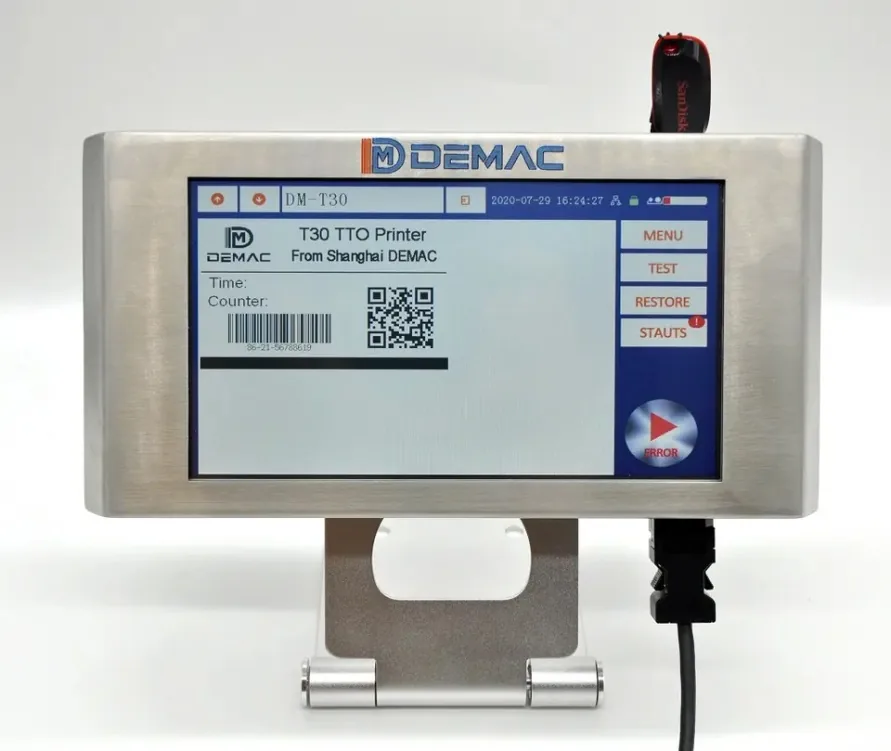
Cosmetic and pharmaceutical coding
Batch, expiry, serial and 2D code printing for regulated and retail packaging.
View details →Inkjet coders for batch, expiry and traceability codes on cosmetic bottles, jars, tubes, cartons, sleeves and labels.
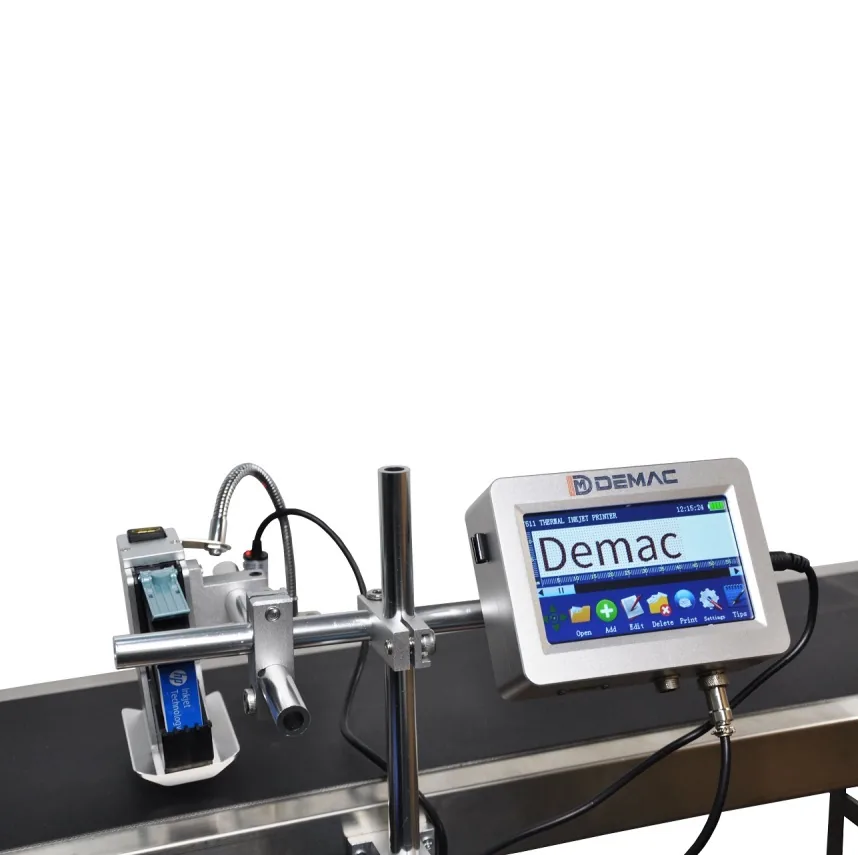
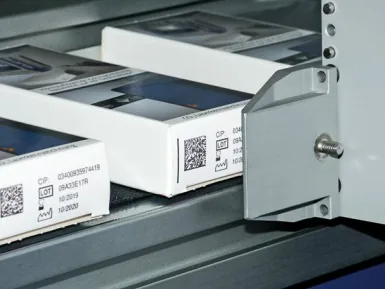
Cosmetic and personal care packaging often needs small, clean, high-contrast print on premium cartons, labels, bottles and tubes. Thermal inkjet is often considered for flat cartons and labels, while continuous inkjet may be preferred for curved bottles, tubes and faster moving products.
| Typical packs | Cartons, labels, tubes, jars, bottles, sleeves and retail multi-packs |
|---|---|
| Common print | Batch, expiry, lot, product ID, QR code, barcode and small logos |
| Main considerations | Ink adhesion, code size, print location, premium pack finish, dry time and changeover |
| Related options | Cosmetic and pharmaceutical coding, QR code inkjet printers and thermal inkjet printers |
A good recommendation starts with the product material, required code, speed, code position, production environment and whether the code is being applied to the primary pack or outer packaging.
Send it with your enquiry so the coder type, bracket position, print head access and ink choice can be reviewed properly.
Compare related coder types, applications and specification guidance.
Batch, expiry, serial and 2D code printing for regulated and retail packaging.
View details →High-resolution variable data, QR code and barcode printing for packaging.
View details →High-resolution TIJ print for cartons, labels, sleeves, QR codes and barcodes.
View details →Send pack photos, code artwork, material, speed, code position and available line space. Lancing can then advise on the most suitable inkjet coding route.
Tell us what you need to code and where the coder has to fit on the line.
Cosmetic packs often use coated cartons, coloured plastics, glass, tubes and labels with small code areas. The print must be discreet but readable, while message selection remains controlled across many variants.
Trial every background colour, varnish, foil and transparent material. Confirm the code position remains visible after labelling, sleeving or cartoning.
Use controlled recipes and clear changeover checks so the correct batch and date message follows the packaging components.
Test the code against normal handling, product residue and any wipe or cleaning process relevant to the packed product.
CIJ is commonly compared for curved bottles, jars and tubes; TIJ for stable labels and folding cartons; large-character inkjet for outer cases. Where the code includes a small barcode or 2D symbol, provide the final data and acceptance method, not only a request for “high resolution”. See the detailed cosmetic and healthcare application guide.
Send finished packs in every colour and the smallest required code.
Review cosmetic coding