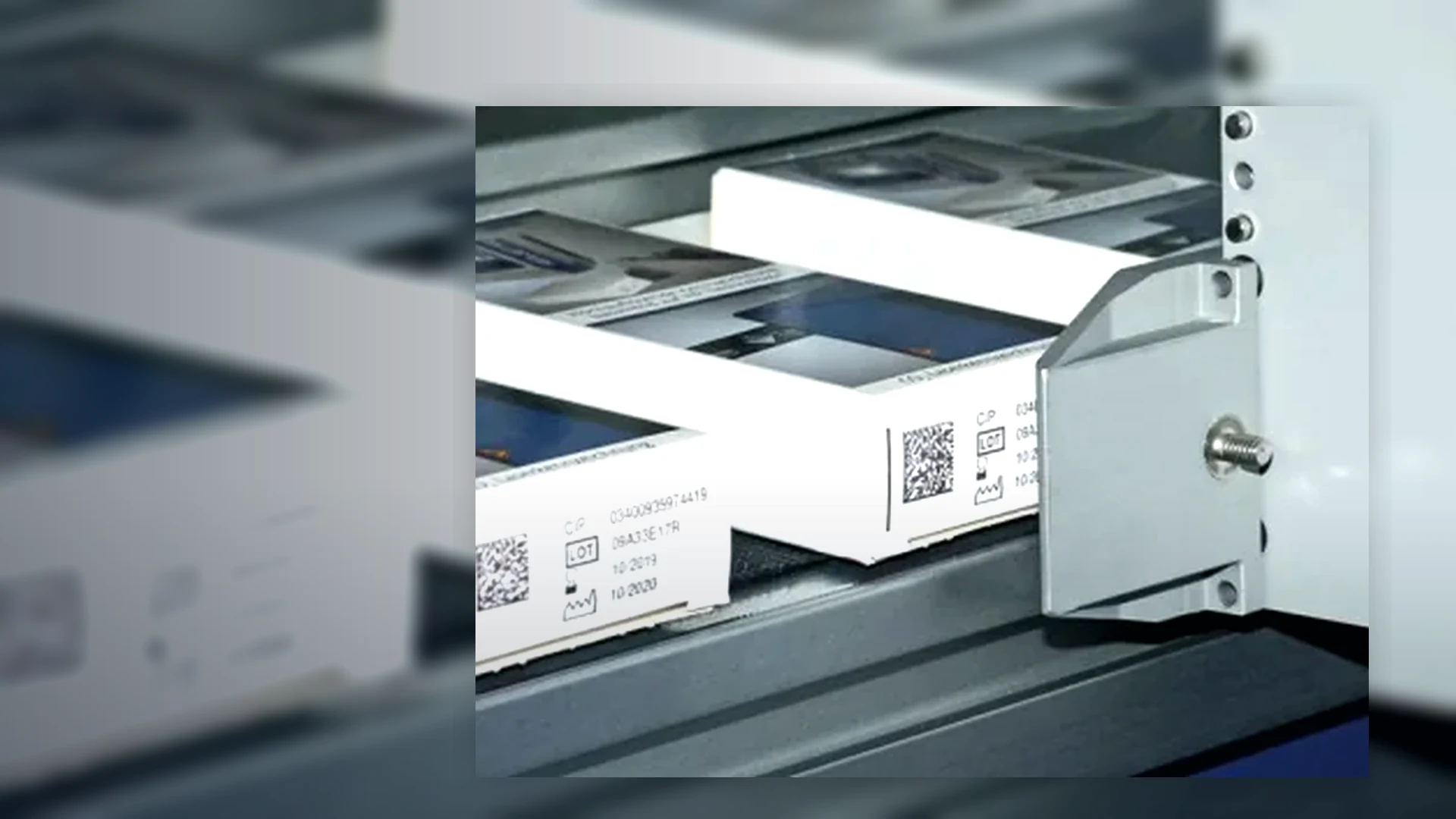
Food and beverage coding
Date, batch, lot and QR code printing for food and drink packaging.
View details →Find the right inkjet coder for your production environment, packaging material and traceability requirement, from food and beverage date coding to cosmetic, pharmaceutical and industrial batch marking.
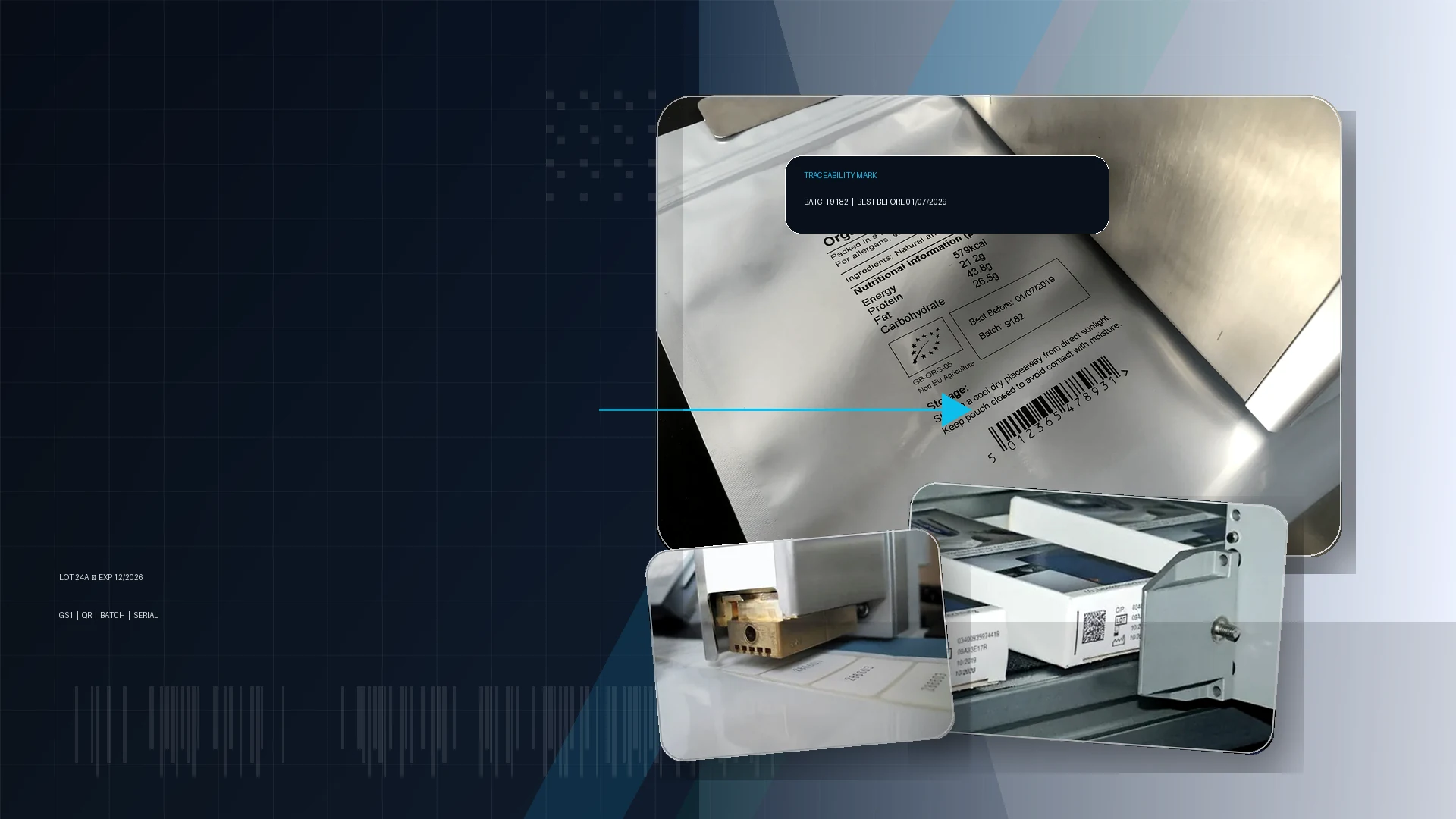
Different industries need different coding setups: code durability, washdown, barcode readability, changeover speed, product presentation and packaging material all affect the machine choice.
Date, batch, lot and QR code printing for food and drink packaging.
View details →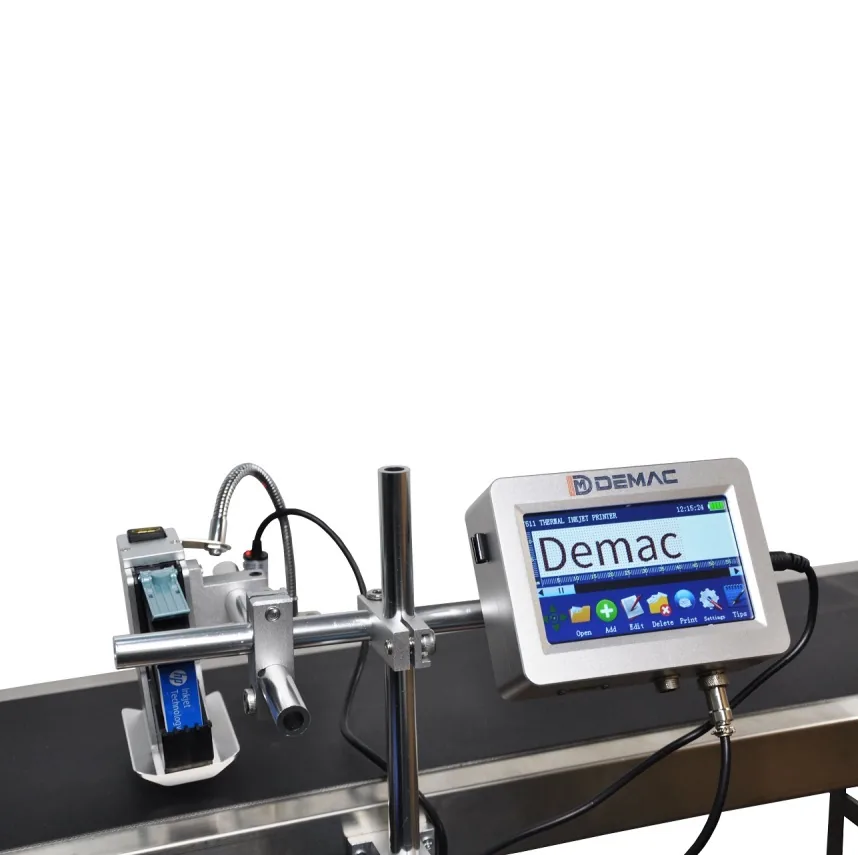
Clean batch and expiry coding for bottles, tubes, cartons, labels and jars.
View details →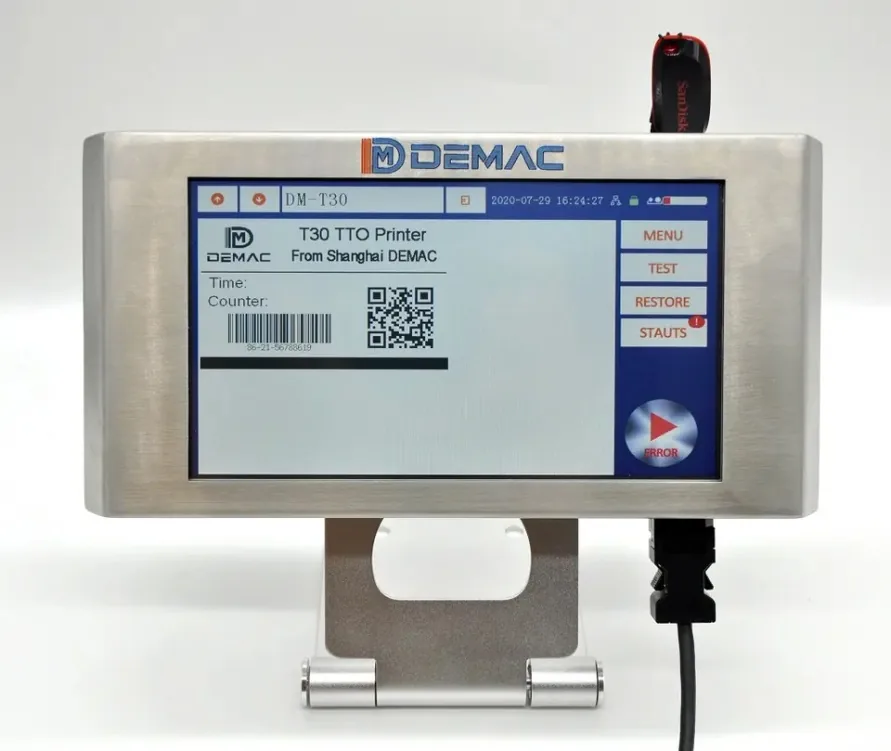
Batch, expiry, 2D and traceability print for controlled packaging workflows.
View details →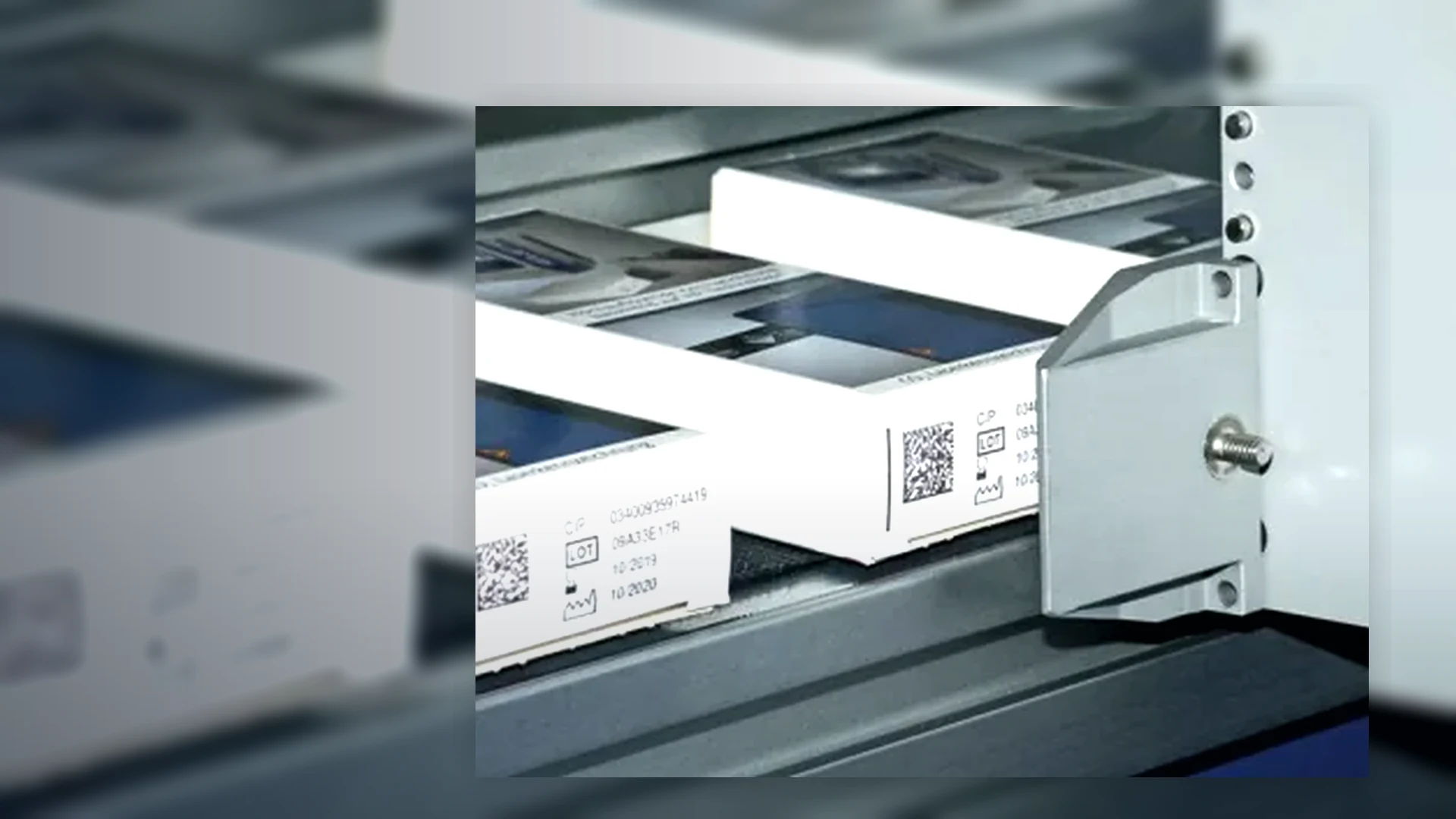
Batch, lot, product ID and outer case marking for industrial products.
View details →
Flexible date and batch coding for mixed products, short runs and changeovers.
View details →
Large character and batch marking for sacks, boxes, trade packs and cases.
View details →A food jar, a cosmetic tube and a chemical container may all need a batch number, but the right coding system can be different. Code location, surface finish, line speed, cleaning routine and operator access are normally more important than the text itself.
Industry labels are only a starting point. The real specification comes from the product, packaging process, customer requirements and the evidence that must be retained.
Priorities commonly include clear date and lot formats, rapid product changes, chilled or wet packs, hygienic cleaning and positive control of missing or wrong codes. See food and beverage coding.
Small print areas, high presentation standards, coated cartons, bottles, tubes and many short-run variants make print quality and job control important. See cosmetic coding.
Projects may require controlled message creation, role permissions, serial or 2D data, inspection, rejects and documented acceptance. Requirements must be agreed against the applicable product and market. See healthcare coding.
Substrate compatibility, solvent resistance, outdoor handling, hazardous-area constraints and durable product identification can be more important than cosmetic print quality. See chemical and industrial coding.
Frequent changeovers and different customer specifications require controlled recipes, flexible mounting, rapid cleaning and clear responsibility for code approval. See contract packing coding.
Dust, textured surfaces, large packs and long viewing distances can drive large-character or specialist ink requirements. See building materials coding.
State the approved code formats, source of each variable field, operator access levels, product recipes, line interfaces, environmental limits, cleaning method, sample packs, inspection standard, reject handling, audit records, training, spares and acceptance tests. This prevents a generic printer from being treated as a complete traceability solution.
Lancing can review the packaging and production requirement before recommending the coding technology.
Discuss an industry requirement