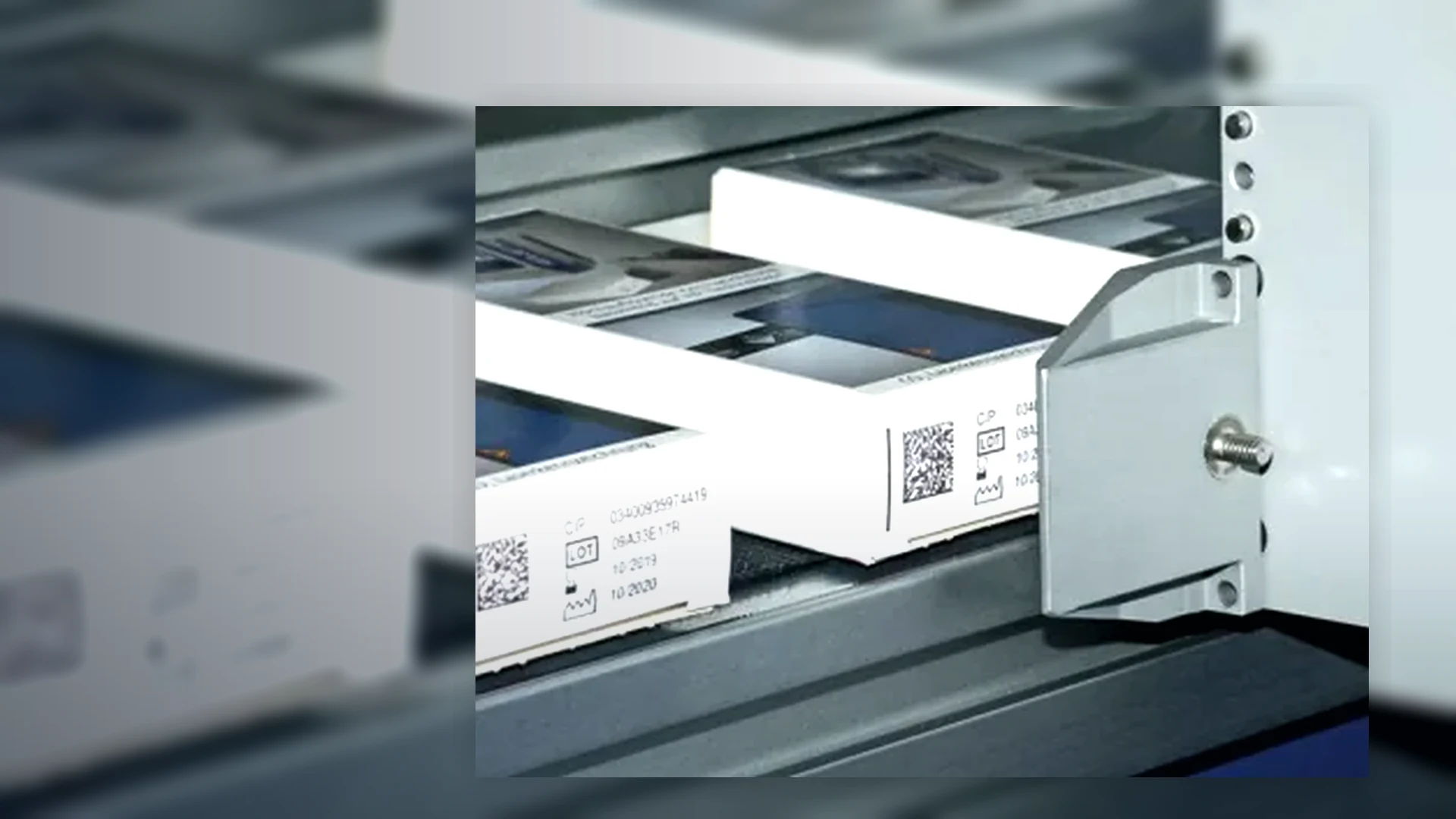
Continuous inkjet coders (CIJ)
Non-contact inkjet coders for fast moving bottles, cans, containers, flexible packs and irregular products where the code has to be applied while the line keeps moving.
View details →Inkjet date coders for food, drink, sauces, bakery, pet food and contract packing lines where clear best-before, use-by and batch coding is required.
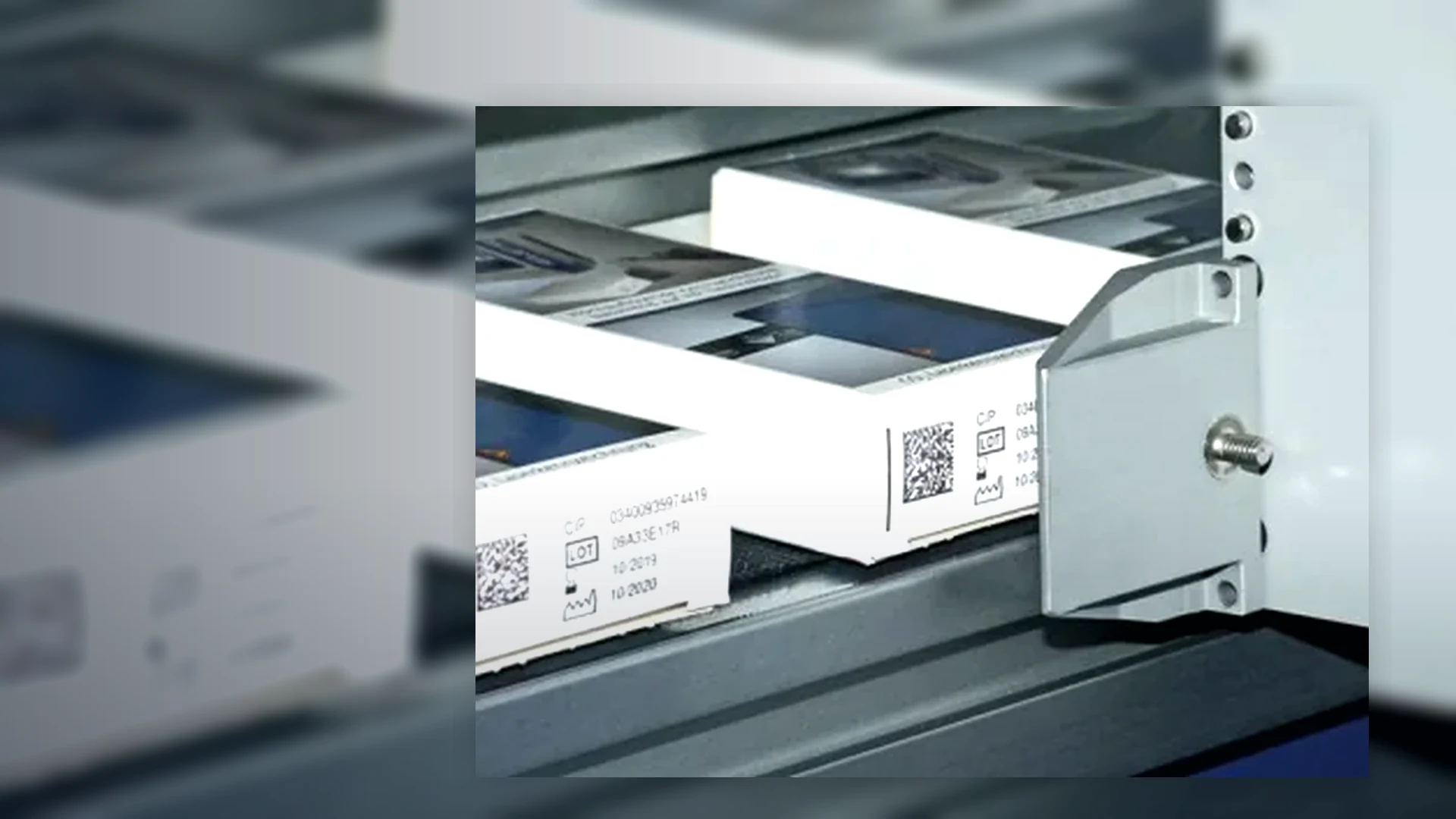
The coder must be matched to the product surface, line speed, orientation and the amount of variable data being printed. A practical trial is recommended where adhesion, dry time or barcode quality is important.
For high speed or curved products, start with continuous inkjet. For cartons, labels and flat surfaces requiring crisp codes, start with thermal inkjet. For outer cases, consider large character inkjet. For very low volumes, a handheld inkjet coder may be enough.
Send application detailsNon-contact inkjet coders for fast moving bottles, cans, containers, flexible packs and irregular products where the code has to be applied while the line keeps moving.
View details →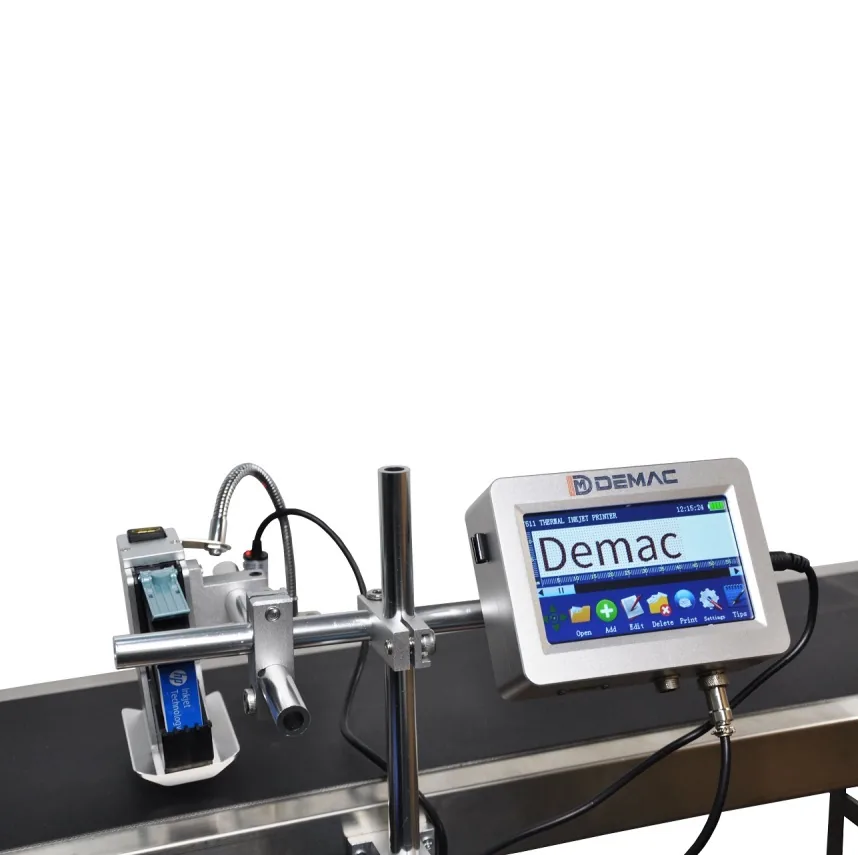
Clean cartridge-based inkjet printers for cartons, sleeves, labels, trays and porous or coated packaging where crisp text, QR codes and barcodes are required.
View details →
Industrial inkjet marking systems for outer cases, transit boxes and trays, replacing pre-printed cartons with flexible variable print.
View details →Food coding systems must create a legible mark and help operators select the correct date, batch and product message. The user requirement should cover data control, hygiene, inspection and reject handling as well as the printer.
Define whether dates are entered manually, calculated from production time and shelf life, downloaded from a recipe or supplied by another system. State how weekends, midnight, shifts and product holds are handled.
Record the cleaning method, chemicals, water pressure, temperature and printer location. Confirm enclosure protection and whether the printhead must be removed or covered during washdown.
Chilled containers, frozen food, bakery films and oily surfaces can challenge adhesion. Trial under normal production conditions and inspect after handling and storage.
| Control stage | Expected evidence |
|---|---|
| Job setup | Approved product recipe, date rule, permitted variable fields and user access. |
| First-off check | Operator confirmation of product, code, position and legibility against an approved standard. |
| In-process check | Defined frequency or automated inspection, with action for a missing or wrong code. |
| Changeover | Line clearance, recipe selection, sample approval and removal of obsolete packaging or messages. |
| Records | Batch, time, message, inspection and reject information retained according to the site's procedure. |
Presence detection confirms that something is printed; OCR checks selected characters; barcode readers decode data; formal verification grades symbol quality. Choose the method according to the risk and customer requirement. Define whether a failed check stops the line, rejects the pack or prompts an operator.
The reject device should be monitored and the reject bin controlled where traceability depends on removal.
Supply all pack materials, temperature and moisture condition, final artwork, shelf-life rules, batch format, line speed, cleaning routine and expected handling. Include the shortest time between printing and contact with belts, guides or other packs.
Approve the complete production route, not only a clean sample printed at room temperature.
Many systems can calculate dates from a production date and stored offset, but the exact rules and responsibility for approval must be defined and tested.
Use controlled recipes, restricted permissions, prompted fields, barcode selection or data download, followed by a first-off and in-process check.
Readability is necessary, but the code must also contain the correct data and remain legible through the expected shelf and distribution conditions.
Only where the published enclosure rating and complete installation suit the cleaning method. Stainless appearance alone does not confirm washdown suitability.
The site's risk assessment should define line stop, automatic reject or controlled manual removal, together with confirmation that the failed pack cannot re-enter good production.
Send the pack, date rules and hygiene requirements for a food coding specification review.
Review food date coding