Continuous inkjet coders (CIJ)
Non-contact inkjet coders for fast moving bottles, cans, containers, flexible packs and irregular products where the code has to be applied while the line keeps moving.
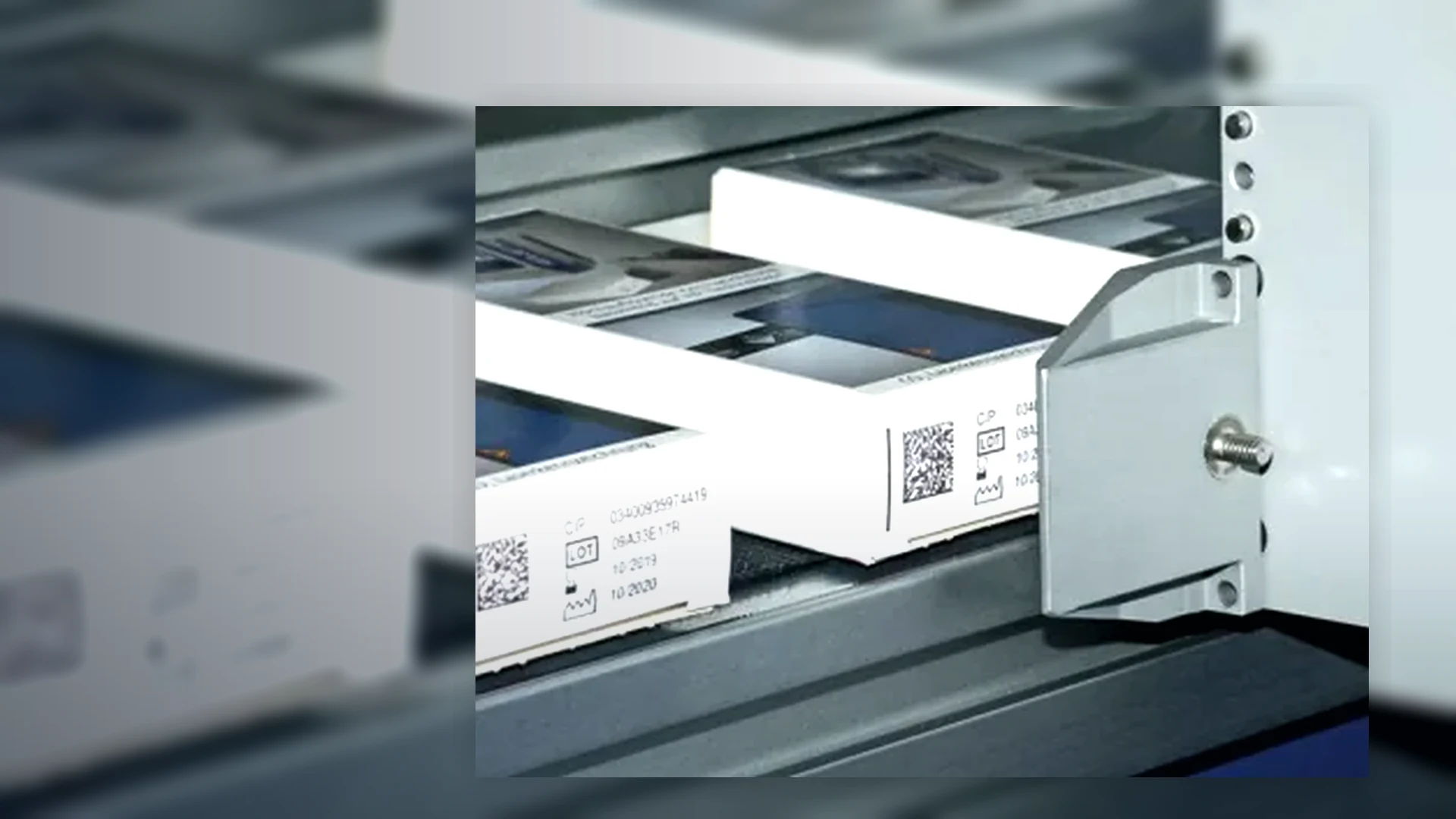
View details →High-legibility coding for cartons, labels, bottles, tubes and regulated packaging where batch, expiry and traceability information must be clear and repeatable.
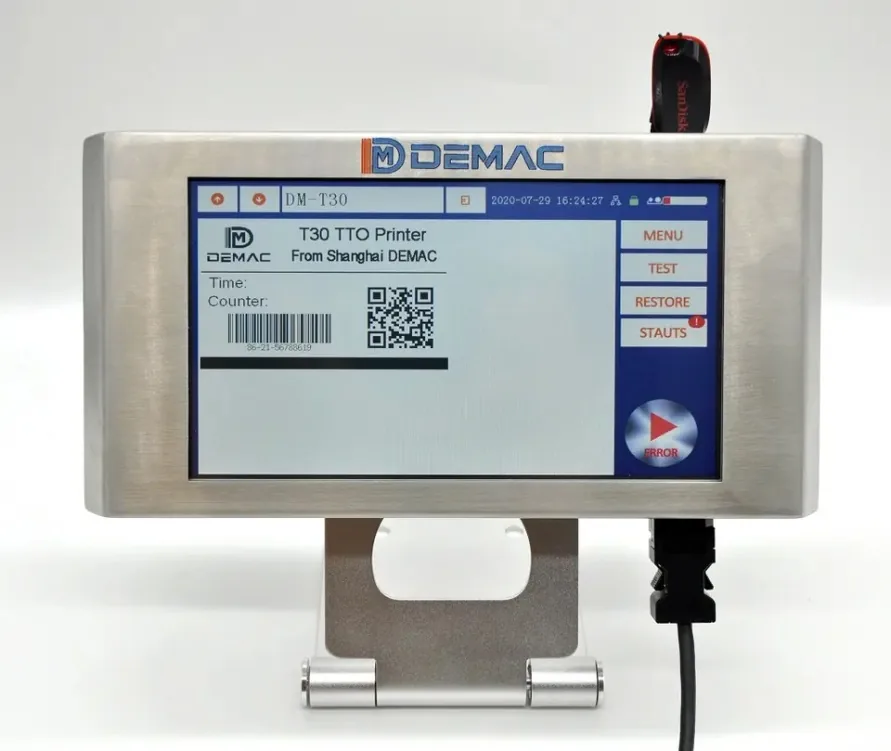
The coder must be matched to the product surface, line speed, orientation and the amount of variable data being printed. A practical trial is recommended where adhesion, dry time or barcode quality is important.
For high speed or curved products, start with continuous inkjet. For cartons, labels and flat surfaces requiring crisp codes, start with thermal inkjet. For outer cases, consider large character inkjet. For very low volumes, a handheld inkjet coder may be enough.
Send application detailsNon-contact inkjet coders for fast moving bottles, cans, containers, flexible packs and irregular products where the code has to be applied while the line keeps moving.
View details →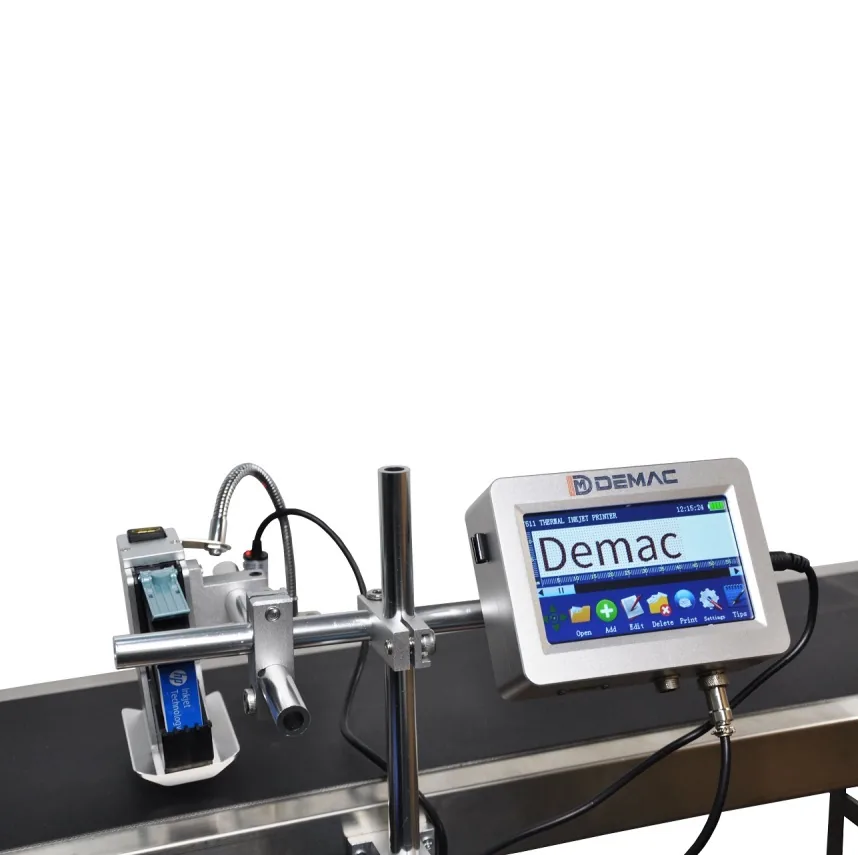
Clean cartridge-based inkjet printers for cartons, sleeves, labels, trays and porous or coated packaging where crisp text, QR codes and barcodes are required.
View details →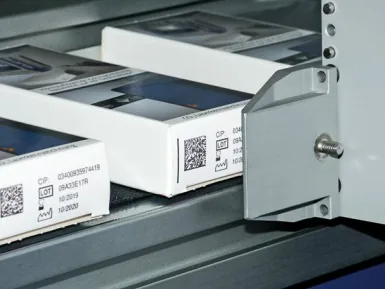
Industrial inkjet marking systems for outer cases, transit boxes and trays, replacing pre-printed cartons with flexible variable print.
View details →Cosmetic, personal-care and healthcare packs often combine small print areas with high presentation standards and many product variants. The coding system should control both physical print quality and the data sent to the printer.
Provide the exact symbol, data length, module size, quiet zone and grading requirement. Test the complete printed pack because curvature, varnish, foil and background artwork influence contrast.
Define approved messages, user roles, date calculation, variable fields and who can create or alter templates. Record how the selected job is matched to the product and packaging components.
State whether inspection checks presence, OCR, barcode content, serial data or formal grade, and whether results must be stored. Define reject confirmation and line response.
| Pack type | Common engineering concern | Technology route to compare |
|---|---|---|
| Bottle or jar | Curvature, coating, small panel and handling contact | CIJ on the container; TIJ on a flat label or carton |
| Tube | Flexible wall, seam, squeeze and product variation | CIJ on the formed tube or controlled coding before filling |
| Folding carton | Varnish, foil, small 2D code and precise position | TIJ with stable carton presentation |
| Label or sleeve | Web registration, application variation and final curvature | TIJ on the web or code after application subject to trial |
| Outer case | Logistics text and barcode quality on corrugated board | Large-character inkjet or print-and-apply |
Where records are downloaded, define the source system, communication protocol, field mapping, message acknowledgement, buffer size, sequencing and recovery after a stop. The line must prevent duplicate, skipped or mismatched records according to the project risk.
Separate printer capability from the complete software and validation scope. A communication port alone does not prove that the required workflow is supported.
Use approved products and packaging components for factory and site testing. Record code content, position, quality, data handling, faults, reject challenges, access levels and recovery. When artwork, material, supplier, code standard or software changes, assess whether re-testing is required.
Regulatory and customer requirements must be defined by the manufacturer for the product and market; the coder specification should implement those approved requirements.
Yes with a suitable high-resolution system, stable surface and correct code design. The finished pack should be checked against the agreed reader or verification standard.
No. Serialisation normally involves data generation, line control, record management, inspection, reject handling and system integration in addition to the printer.
Use user roles, approved templates, prompted fields, recipe selection and audit records where supported, together with documented line procedures.
A reader confirms that data can be decoded under its conditions. A verifier measures defined quality parameters using a controlled method and reports a grade.
Possibly, but the surfaces and requirements differ. Approve each material, coating and handling condition with the exact printer and ink.
Send code artwork, pack samples and the required data workflow for a controlled application review.
Review cosmetic or healthcare coding