Pack details
Material, shape, print area, label or direct print, and whether the pack is dry or handled soon after coding.
A good enquiry gives the supplier enough information to recommend the correct technology and avoid a poor fit.
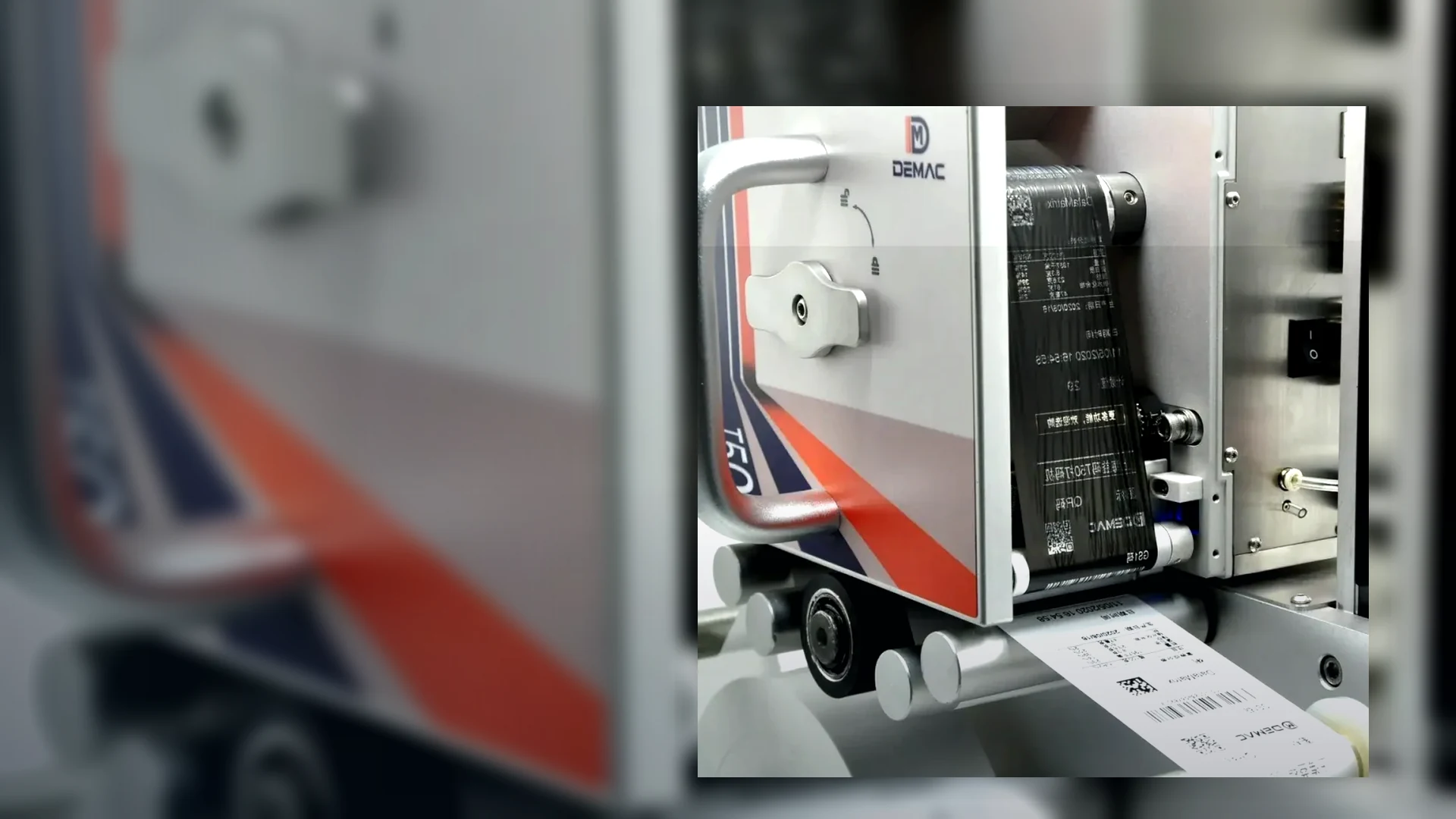
Questions to answer before buying a date coder for bottles, cartons, pouches, labels or packaging lines.
The right recommendation depends on the material, print area, expected contrast, dry time, production speed and how operators will change messages. Lancing can look at your sample pack and advise whether CIJ, TIJ, large character or handheld inkjet is the best fit.
Date, batch, lot, expiry, serial number, barcode, QR code or simple product identification.
Plastic, glass, metal, carton, label, sleeve, pouch, tray, sack, case or coated packaging.
Speed, printhead position, product sensor, encoder, brackets, guards and operator access.
Send the pack type, code example, line speed and available space. We can suggest the best coding route before you commit to a machine.
These pages are written around real packaging problems: substrate, line speed, print position, operator changeover and traceability content.
Material, shape, print area, label or direct print, and whether the pack is dry or handled soon after coding.
Speed, product spacing, conveyor movement, guarding, operator access and available mounting space.
Number of lines, date format, batch or lot content, barcode or QR size and data source.
Compare machine types and related print requirements before requesting a recommendation.
Yes. The usual print content is a date, batch number, lot code, expiry date, barcode, QR code or production reference. The best technology depends on the pack surface and line speed.
Ink choice and print position matter. A sample pack check helps confirm contrast, adhesion and dry time before installation.
Most installations can be designed around an existing conveyor or machine using brackets, sensors, encoders and practical guarding access.
Share your product, code content, line speed and pack material for practical UK advice.
Ask suppliers to answer against the exact application and configuration. A maximum figure from a brochure may not apply to the selected font, ink, number of lines or environment.
Require the quotation to identify anything not included: conveyors, extraction, network work, PLC changes, vision, reject equipment, guarding, validation, product samples, travel, consumables or production support. Clear boundaries are part of a technically useful price comparison.
Send competing requirements in one controlled brief so responses can be compared line by line.
Request a detailed quotation