CIJ vs TIJ inkjet coding
Continuous inkjet and thermal inkjet both print variable codes, but they solve different production problems.
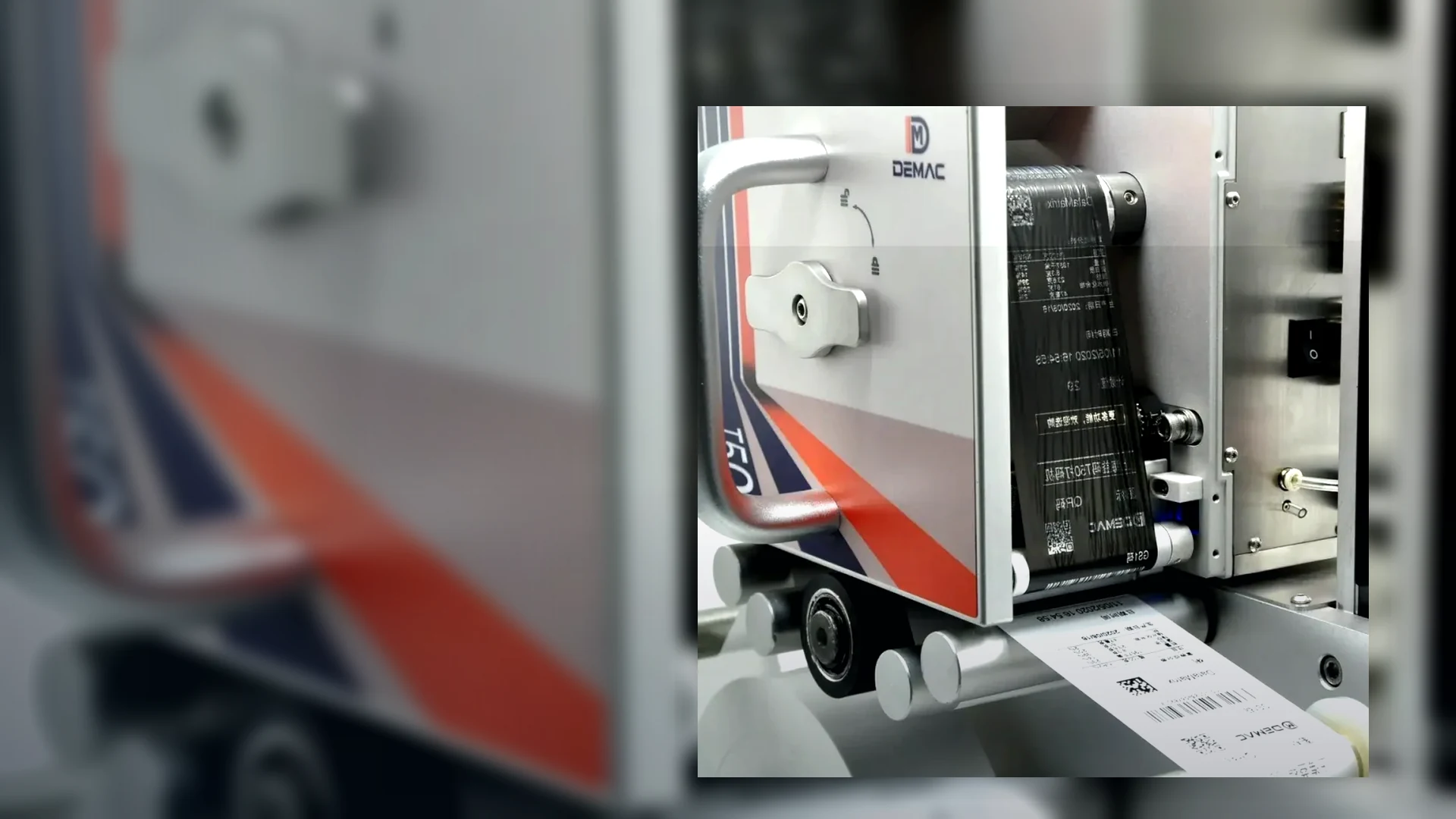
Key points to confirm
Substrate
Confirm whether the print surface is cardboard, plastic, glass, metal, film, foil, label stock, coated carton or a wet/oily/dusty surface.
Speed
Confirm conveyor speed or packs per minute. Include product pitch if the gaps vary or multiple lanes are involved.
Code
Send the exact code content, character height, number of lines and whether QR codes, barcodes or logos are required.
Location
Show where the code must be printed and how much space is available for the print head, stand, sensor and operator access.
Environment
Note washdown, dust, temperature, condensation, solvents, food environment requirements and cleaning procedures.
Integration
Confirm whether the coder needs a conveyor, encoder, reject system, line stop, data connection or guarding interface.
Send these details to Lancing and we can narrow the options quickly.
Send detailsChoose CIJ or TIJ from the production conditions
Both technologies print variable data, but they control ink delivery and product presentation differently. Use the actual pack, message and line conditions rather than treating one technology as universally better.
| Factor | CIJ | TIJ |
|---|---|---|
| Product shape | Strong starting point for curved, irregular or fast-moving products. | Best with a flat or controlled surface close to the printhead. |
| Print gap | Generally tolerates more stand-off, model-dependent. | Usually requires a short, tightly controlled gap. |
| Print content | Dates, lots, small text and selected codes. | High-resolution text, graphics, barcodes and 2D codes. |
| Consumables | Ink and, on many systems, make-up fluid. | Replaceable cartridges. |
| Maintenance | Fluid system and printhead routine; planned service model-specific. | Cartridge and nozzle care; less bulk-fluid handling. |
| Environment | Models available for demanding production, but rating must be checked. | Controller and head protection must be matched to dust or washdown. |
| Integration | Sensor, encoder, I/O and data connection widely used. | Sensor, encoder and data connection with particular attention to product guidance. |
| Main risk | Wrong ink/fluid assumptions or neglected maintenance. | Unstable print distance or unsuitable cartridge chemistry. |
Choose CIJ first when
The pack is curved, speed is high, presentation varies, or the code is small and simple. Confirm fluid consumption, ventilation, maintenance and ink adhesion.
Choose TIJ first when
The pack can be guided accurately and the requirement includes crisp small text, graphics or machine-readable codes. Confirm cartridge and throw distance.
Compare another technology when
The print area is large, the flexible film needs premium print, a full logistics label is required, or the product cannot be controlled within either printer's operating window.
Run one comparable trial
Use the same production pack, message, line speed, code position and acceptance method for both technologies. Test the least favourable surface and the minimum and maximum product formats. Include start-up, changeover and operator cleaning so the comparison covers ownership as well as the best sample.
Compare applications before choosing
Send the pack and message to compare CIJ and TIJ on the same application.
Request a technology comparison