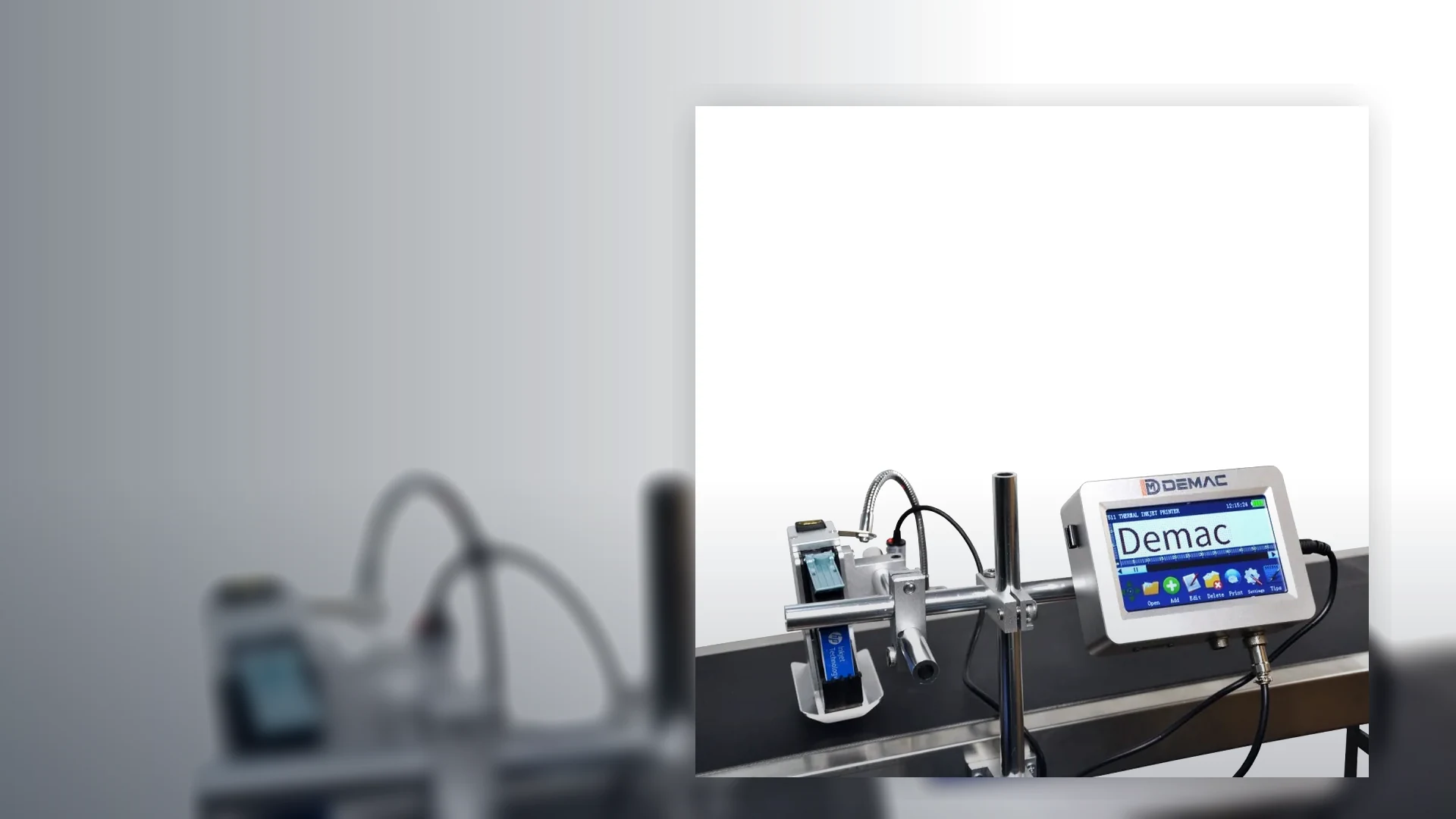
Bottle coding machines
Print expiry dates, batch numbers and traceability codes onto plastic bottles, glass bottles, jars, tins and small containers.
View details →CIJ coders are used where non-contact printing is needed on moving, curved, wet, uneven or varied products without stopping the packaging line.
Before buying a coder, confirm the pack surface, speed and code requirement. The same date code can need a different machine depending on whether it is printed onto a curved bottle, carton, flexible film or outer case.
| Common uses | Expiry date, lot number, batch code, serial code, simple QR or barcode, product ID |
|---|---|
| Typical products | Bottles, jars, tubes, pails, containers, cans, flexible packs, irregular products |
| Line integration | Product sensor, encoder, mounting frame, guarding interface and operator access |
| Selection data needed | Substrate, line speed, print area, print height, cleaning routine and environment |
Print expiry dates, batch numbers and traceability codes onto plastic bottles, glass bottles, jars, tins and small containers.
View details →
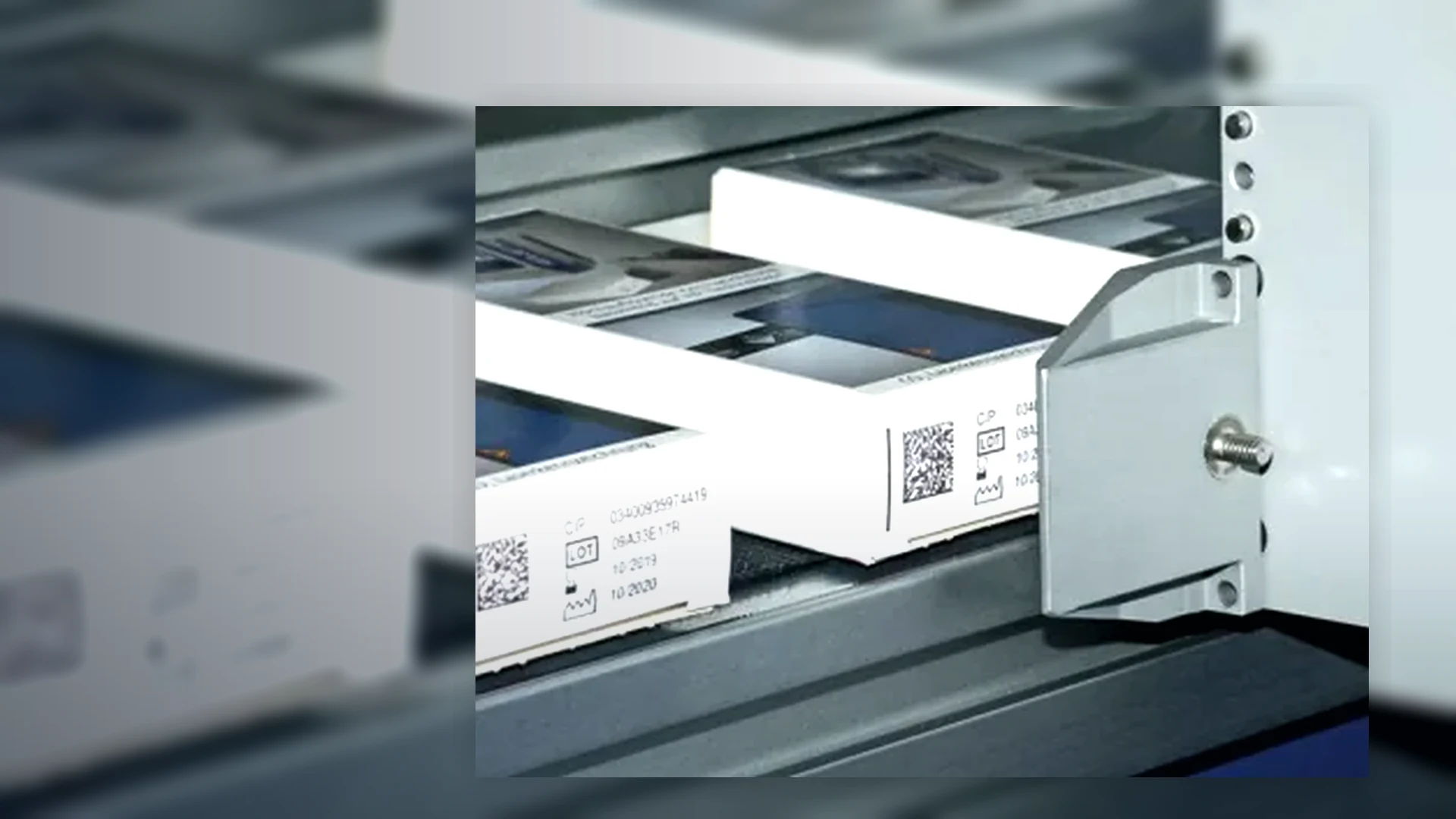
Inkjet printers for retail cartons, shelf-ready packaging, shipping cases and end-of-line case marking.
View details →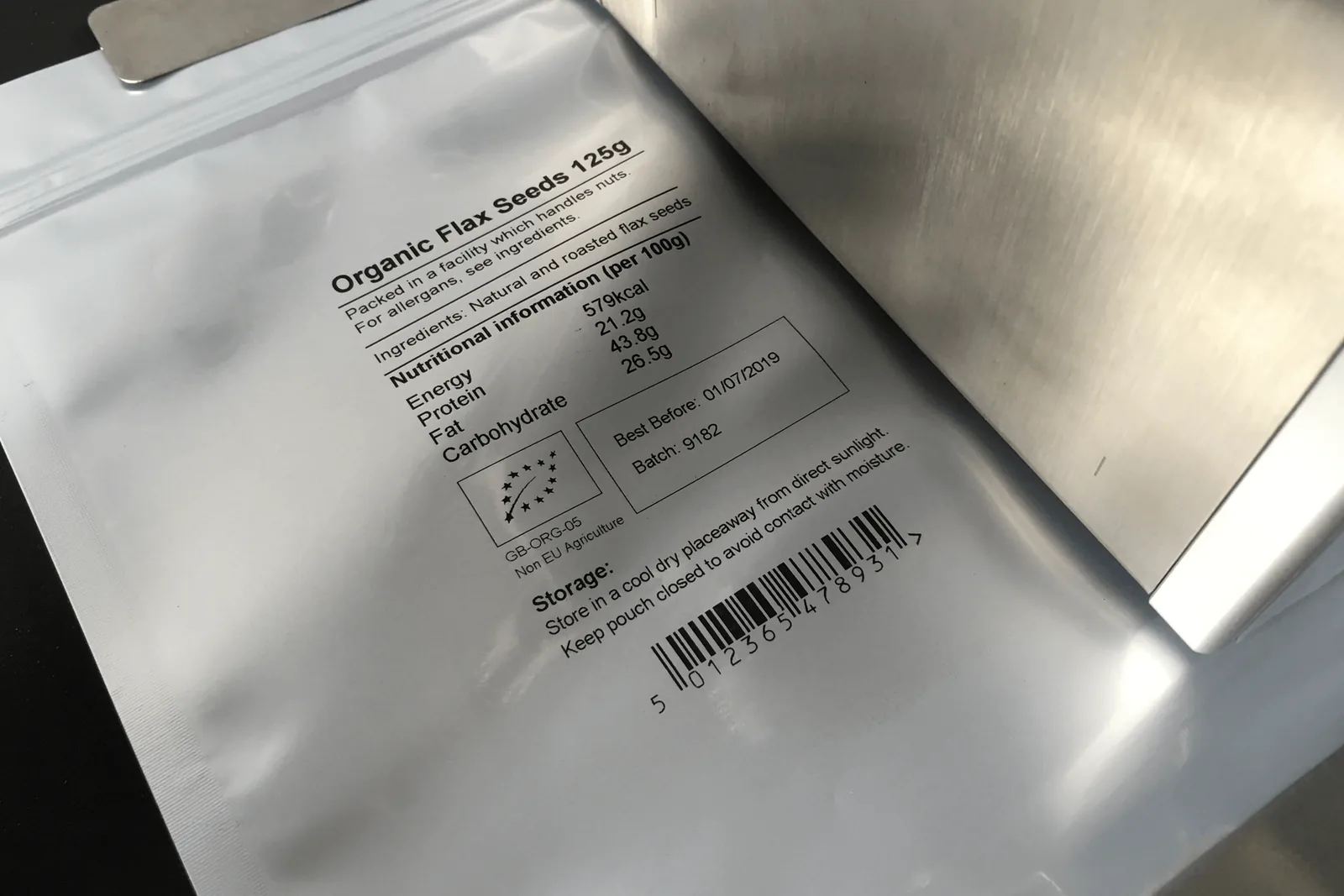
Inkjet and alternative coding solutions for stand-up pouches, bags, labels, sleeves and flexible packaging lines.
View details →Choose CIJ when line speed is high, the product surface is curved or uneven, the print head needs more stand-off distance, or the pack presentation is less controlled.
Yes. CIJ is commonly used for plastic bottle date and batch coding, subject to ink selection, surface condition and dry-time testing.
Yes. The coder can usually be mounted to an existing conveyor with a bracket, product sensor and encoder where required.
CIJ is valuable where a small, non-contact code must be applied to moving products without stopping the line. The printer, fluid system, printhead mounting and product handling have to be assessed as one application.
Continuous inkjet can tolerate more variation in product shape and print distance than cartridge systems, making it a common starting point for curved bottles, cans, cables, extrusions and packs moving at production speed. It is also useful where the code area is small and the product cannot be brought into contact with a print mechanism.
The advantage is not universal. Very small 2D codes, dense graphics, large print areas or long blocks of text may favour a higher-resolution technology. The decision should be made from an actual print sample at the required speed and distance.
Plastic name alone is not enough: mould release, surface treatment, recycled content, condensation and cleaning residues can change performance. Trial the approved ink on production packs and include the actual time before the code is touched, conveyed, packed or chilled.
Compare expected ink and make-up consumption, fluid shelf life, storage, ventilation, waste, cleaning materials and the effect of starts and stops. Ask for the assumptions behind any cost estimate, including message coverage and operating hours.
Define printhead inspection and cleaning, filter or service-module intervals, shutdown procedure and recovery after idle periods. The maintenance plan must follow the exact model and ink, not a generic CIJ schedule.
| Application variable | CIJ engineering check | Acceptance evidence |
|---|---|---|
| Product movement | Stable enough for a consistent gap and code position; encoder required if speed varies. | Print samples at minimum, normal and maximum line conditions. |
| Surface condition | Dry, wet, cold, oily, dusty, treated or coated condition documented. | Adhesion and rub test after the agreed dry and handling time. |
| Message | Exact fonts, lines, date rules, lot data and smallest code supplied. | Approved master sample and saved message recipe. |
| Controls | Sensor, encoder, job selection, line signals and data source defined. | Functional test for normal running, missing product and fault states. |
| Environment | Temperature, humidity, dust, washdown, solvents and ventilation reviewed. | Installed configuration matches the documented site requirement. |
Use the same operating hours, message size, ink coverage, start-stop pattern and maintenance scope for every quotation. Include make-up fluid, cleaning materials, planned service parts, waste and operator time.
No. Suitability depends on the published enclosure or IP rating and the complete installation, including connectors, printhead, cables and mounting. Confirm the cleaning method in the specification.
An encoder is useful when conveyor speed changes and print timing or character spacing must follow belt movement. A fixed-speed line may use internal timing, but this should be proven during the trial.
Many models offer communication and I/O options, but the available protocol and data workflow are model-specific. Define the message fields, source, validation, fault response and responsibility for integration before order.
Send the bottle or pack, intended code, line speed and site conditions for a CIJ suitability review.
Request a CIJ application reviewA headline maximum speed does not prove suitability. The supplier response should describe the exact message, print matrix, line conditions, ink system and maintenance assumptions used for every quoted capability.
Request the supported number of lines, character-height range, print matrices, print distance, orientation and speed for the actual message. Confirm whether the quoted result changes when more lines, larger characters or machine-readable codes are selected.
Ask for the quoted enclosure or IP rating, ambient limits, ventilation needs and any restrictions for dust, moisture, washdown or temperature. The final specification must refer to the exact printer and installation, not a product family.
Define product sensing, encoder input, line-ready and fault signals, message selection, password control and any vision or reject interface. State what happens after a missed trigger, unreadable code or network interruption.
| CIJ subject | Evidence to request | Why it affects the decision |
|---|---|---|
| Speed and message | Tested line speed with the approved text, line count, character height, orientation and print quality setting. | Maximum brochure speed may use a smaller or simpler message than production requires. |
| Ink and make-up | Exact fluid references, substrate suitability, storage life, environmental controls and forecast use under the stated duty. | Fluid chemistry affects adhesion, drying, handling, site controls and ownership cost. |
| Routine intervention | Operator cleaning, start-up and shutdown tasks, recommended checks and the conditions that change their frequency. | Intervention time and rejected starts can matter as much as nominal print speed. |
| Planned service | Model-specific service schedule, filters or wear items, expected downtime, required tools and competent-person boundaries. | Lifecycle scope is needed to compare availability and budget, not only purchase cost. |
| Fault recovery | Alarm behaviour, automatic recovery, message retention, restart sequence and response to sensor, encoder or data failure. | Production loss often occurs during recovery from short stops and changeovers. |
| Application trial | Representative packs, agreed surface condition, full-speed run, dry-time or resistance test and recorded acceptance result. | A controlled trial links the quoted configuration to the real product and process. |
Record ink, make-up fluid, filters, service, cleaning materials, operator time, start-up waste and coding-related rejects. Use the same production hours, message coverage, line speed and stop-start pattern for every option. A low fluid price is not meaningful if the assumptions for consumption and intervention are different.
Ask how use is measured and which events increase consumption, including extended idle periods, purging, environmental conditions and repeated shutdowns.
Acceptance should include start-up, sustained running, speed changes, product gaps, message change, planned stop, unplanned stop and restart. Where quality control depends on inspection, test the response to a deliberately missing or unreadable code and confirm the reject or line-stop sequence.
Review bottle coding, ink and substrate approval and traceability integration. Non-inkjet alternatives remain on Lancing Coding Machinery.
Send the real message and duty, not only products per minute.
Lancing can use the complete coding brief to request a model-level response and suitable trial.
Use the same production samples and annual duty when comparing a continuous inkjet system with another marking route.
Many CIJ printers use make-up fluid to replace volatile carrier lost from the recirculating ink and keep the fluid properties within control. Consumption depends on the exact system, ambient conditions, operating hours and start-stop pattern. Use only the model-approved ink and make-up combination.
The printhead should operate inside the distance range specified for the exact model, ink and message while remaining protected from product strikes. Curvature, wobble, conveyor vibration and code size can narrow the practical window. Prove the nearest and furthest pack conditions during the trial.
Position drift normally comes from changing product detection, conveyor speed, product rotation, belt slip, loose guides or movement of the printhead bracket. Record sensor state, encoder input, delay setting and several consecutive packs before changing printer parameters.
Confirm the correct job, ink-system ready state, clean printhead, first-off code, position, date rule and any reader or reject response before releasing production. Long shutdowns and repeated start cycles should follow the exact model procedure rather than an improvised cleaning routine.
Review the trial after a pack supplier, material, coating, cleaning chemical, ink, code size, line speed, print position or environmental change. Repeat only the affected acceptance checks, but do not assume an earlier approval covers a materially different surface or duty.
For more direct answers, browse the inkjet coding question library.
Discuss a CIJ applicationThe LU-TIP15 provides a current model-level starting point for high-speed non-contact date, batch, lot and variable-data coding. The reference values below must be proven with the final message, ink, substrate and line.
| Technology | Continuous inkjet, non-contact inline printing |
|---|---|
| Character height | Approximately 1.8–15 mm |
| Reference maximum speed | Approximately 285 m/min, application-dependent |
| Reference print distance | Up to 30 mm from printhead to product |
| Printing rows | 1–4 rows at 5 × 7 dot; 1–5 rows at 5 × 5 dot |
| Electrical supply | 200–240 V AC, 50/60 Hz; approximately 220 W |
CIJ ownership includes the approved ink and make-up fluid, start-up and shutdown routine, printhead care, ventilation and spill controls, service boundaries and a record of the sensor, encoder and line interfaces. These details should be part of the written model quotation and handover.