Continuous inkjet coders (CIJ)
Non-contact inkjet coders for fast moving bottles, cans, containers, flexible packs and irregular products where the code has to be applied while the line keeps moving.
View details →Inkjet coding for flexible packaging depends heavily on pack presentation, surface treatment and print position. We can advise whether inkjet, TTO or label coding is the best route.
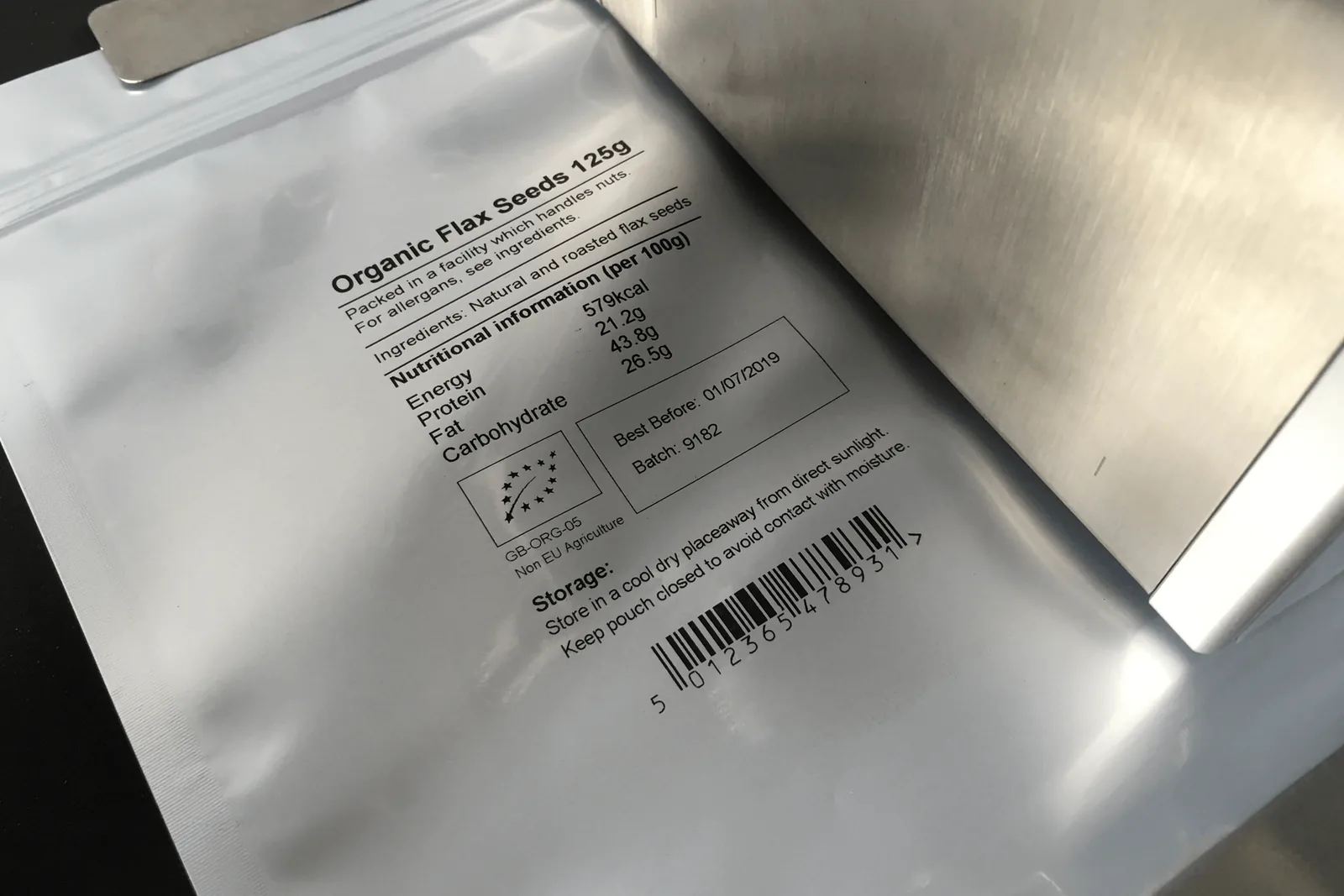
The coder must be matched to the product surface, line speed, orientation and the amount of variable data being printed. A practical trial is recommended where adhesion, dry time or barcode quality is important.
For high speed or curved products, start with continuous inkjet. For cartons, labels and flat surfaces requiring crisp codes, start with thermal inkjet. For outer cases, consider large character inkjet. For very low volumes, a handheld inkjet coder may be enough.
Send application detailsNon-contact inkjet coders for fast moving bottles, cans, containers, flexible packs and irregular products where the code has to be applied while the line keeps moving.
View details →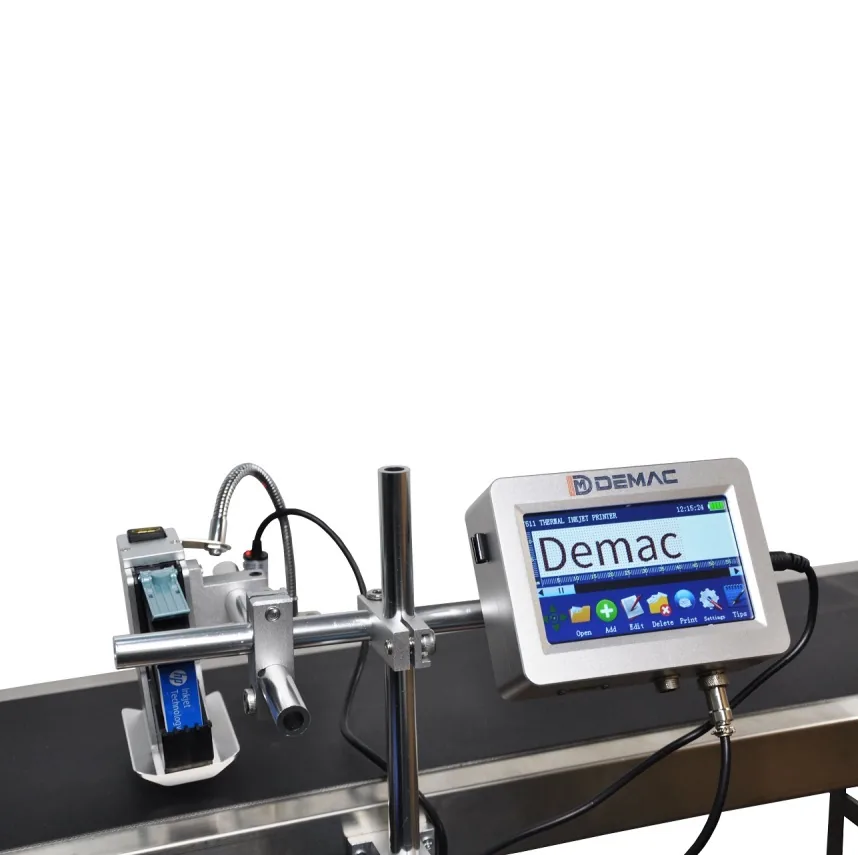
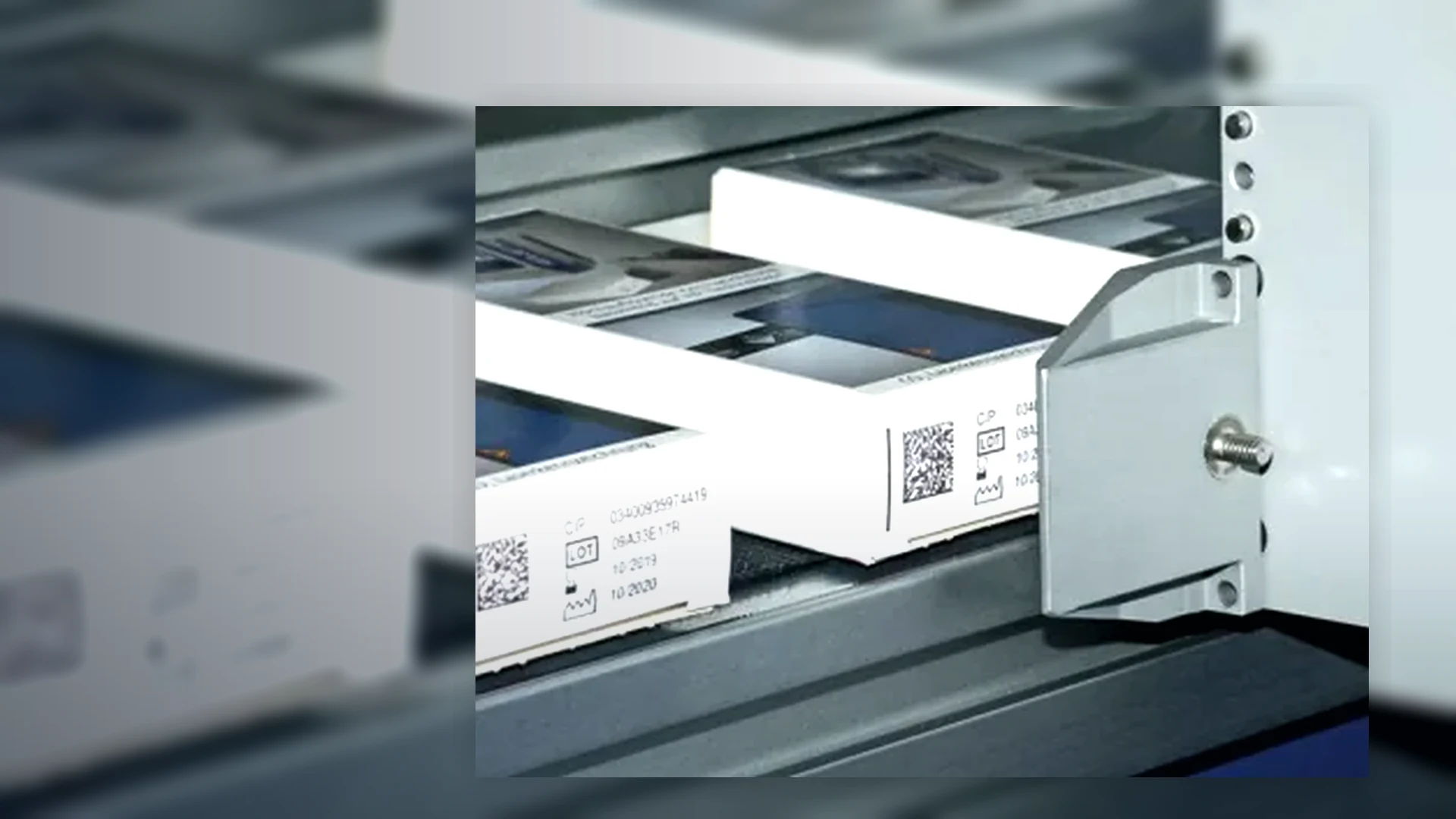
Clean cartridge-based inkjet printers for cartons, sleeves, labels, trays and porous or coated packaging where crisp text, QR codes and barcodes are required.
View details →
Industrial inkjet marking systems for outer cases, transit boxes and trays, replacing pre-printed cartons with flexible variable print.
View details →Flexible materials move, wrinkle and change position. The best coding point is the one that presents a stable surface, protects the fresh print and keeps the code clear of seals and artwork.
Printing on controlled film can provide a flat surface and repeatable registration, but the coder must match intermittent or continuous packaging-machine motion and remain clear of sealing jaws and film tracking components.
A finished pouch can be coded with CIJ or TIJ where the print face is flattened and guided. Filled product, gussets, trapped air and uneven seals may make the print gap unstable.
A friction feeder or indexed conveyor can separate empty pouches for coding before filling. Check material thickness, static, curl, surface treatment and whether the code will survive filling and sealing.
| Technology | Typical flexible-packaging fit | Key limitation |
|---|---|---|
| CIJ | Non-contact date or lot coding on moving formed packs and selected films. | Fine graphics and dense 2D codes may be limited; ink adhesion and dry time need testing. |
| TIJ | High-resolution coding on well-supported pouches, labels or sleeves. | Print distance and surface flatness must be tightly controlled. |
| Thermal transfer overprinter | High-quality variable print directly onto flexible packaging film during the machine cycle. | Requires integration with the packaging machine, ribbon and the correct intermittent or continuous mode. |
| Hot foil or ribbon coder | Simple fixed date or batch characters on compatible intermittent equipment. | Limited variable content and character formats. |
Define whether the print position follows a registration mark, product sensor, machine-cycle signal or encoder. Provide film speed, acceleration, dwell time and print window rather than only packs per minute. If the packaging machine stops and restarts, confirm how duplicate or missing prints are prevented.
For high-quality web printing, the specialist thermal transfer overprinter route is covered on Lancing's coding machinery site.
Confirm which side of the material is printed, whether the ink can contact product, and the packaging supplier's requirements. Use only consumables approved for the application and keep the code outside heat-seal areas unless the complete process has been validated.
Trial the code after filling, sealing, cooling, wiping, packing and expected storage, not only immediately after printing.
Before filling can provide a flatter, cleaner surface; after filling may link the code more closely to the finished pack. The decision depends on pack handling, traceability and available line access.
Film tracking, pouch curl, varying fill, trapped air, sensor position, pitch variation and an unsupported print zone can all shift the result.
It can on selected supported films with the correct cartridge, but print gap and adhesion must be proven. Thermal transfer overprinting is often compared for premium film coding.
Yes where the material, code size, contrast, quiet zone, support and handling allow a stable symbol. Agree the reader or verifier and test after the complete packing process.
Send production film or pouches in every material and colour, the final artwork, intended code position, packed-product condition and packaging-machine cycle information.
Send the film or pouch, code artwork and machine-cycle details to compare the practical coding points.
Review flexible-pack codingTIJ can suit controlled flat packs or panels, while TTO often owns high-quality variable coding on the packaging web. The final route depends on the host-machine motion, print window, film and code.
Keep the code away from heat seals, folds, gussets, tear notches and areas that wrinkle after filling. The selected panel should remain flat enough for the printer and visible on the finished pack. Confirm the cut and registration tolerance.
Line motion adds web tension, vibration, static, registration variation, speed changes and contact with rollers or forming parts. Test the actual film orientation and machine cycle, not only a stationary sample held close to the printhead.
Each lane's printhead, trigger, position and data must be mapped to the film or product movement. Common data can simplify control; lane-specific serial or batch data needs independent tracking and fault response.
Use a compatible ink, stable print position and enough time or distance before the wet code contacts machinery or another surface. Check both immediate drying and later adhesion at the fastest line speed and least favourable temperature.
Thermal transfer is often assessed when the variable code belongs on a controlled film web inside a packaging machine and ribbon-to-film compatibility is established. Inkjet may suit a formed pouch or flat controlled panel. Compare the actual print point and machine motion.
Use the question library to define film, registration and line-control requirements.
Discuss flexible-pack coding