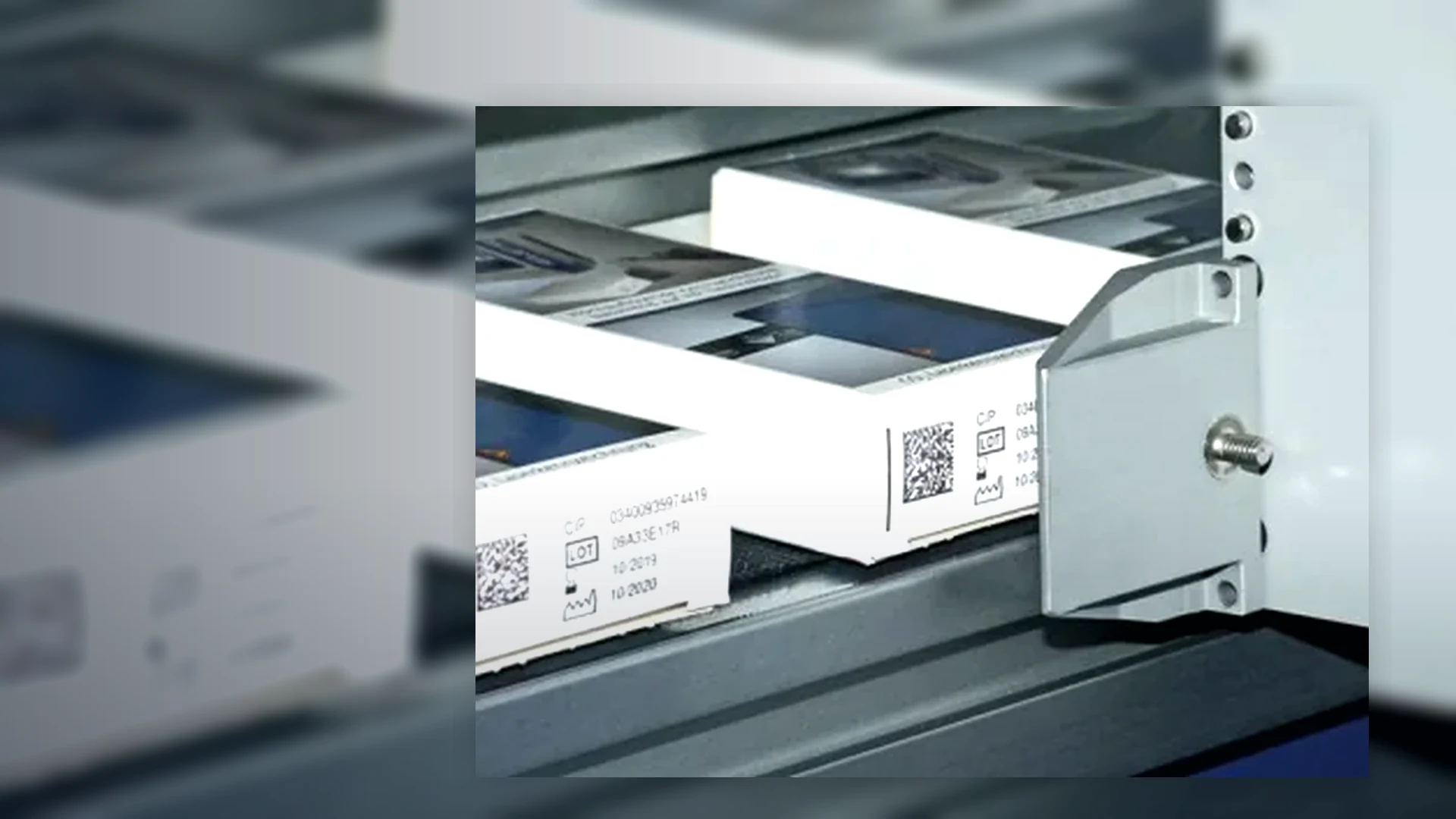
Food date coding
Best-before, use-by, lot and batch coding for food and drink packaging.
View details →Inkjet date coders and batch printers for bottles, jars, tubs, pouches, cartons, sleeves, trays and cases used in food, drink, bakery and contract packing lines.
Food and drink coding applications usually need repeatable print position, reliable contrast, quick changeovers and clear operator setup. The best inkjet coder depends on the pack surface, the line speed, the washdown routine and whether the code is printed onto the primary pack, a sleeve, a label, a carton or an outer case.
| Typical packs | Plastic bottles, glass bottles, jars, tubs, pouches, cartons, sleeves, trays and outer cases |
|---|---|
| Common print | Best-before date, use-by date, batch, lot, line ID, QR code and barcode |
| Main considerations | Dry time, contrast, washdown, print distance, label material, product spacing and operator changeover |
| Related options | Food date coding, bottle coding, pouch coding and carton coding |
A good recommendation starts with the product material, required code, speed, code position, production environment and whether the code is being applied to the primary pack or outer packaging.
Send it with your enquiry so the coder type, bracket position, print head access and ink choice can be reviewed properly.
Compare related coder types, applications and specification guidance.
Best-before, use-by, lot and batch coding for food and drink packaging.
View details →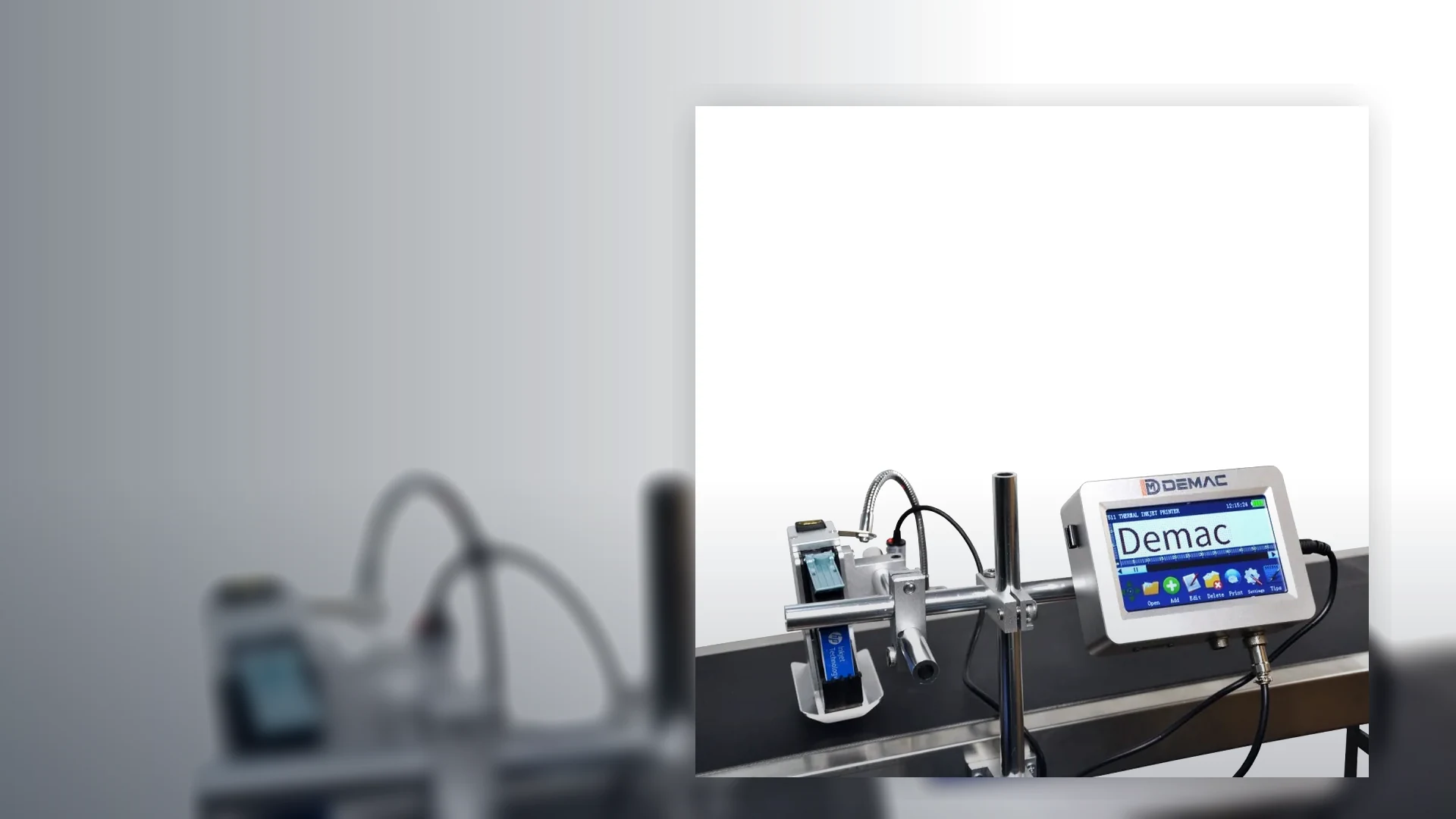
Expiry, batch and traceability codes on plastic bottles, glass bottles, jars and containers.
View details →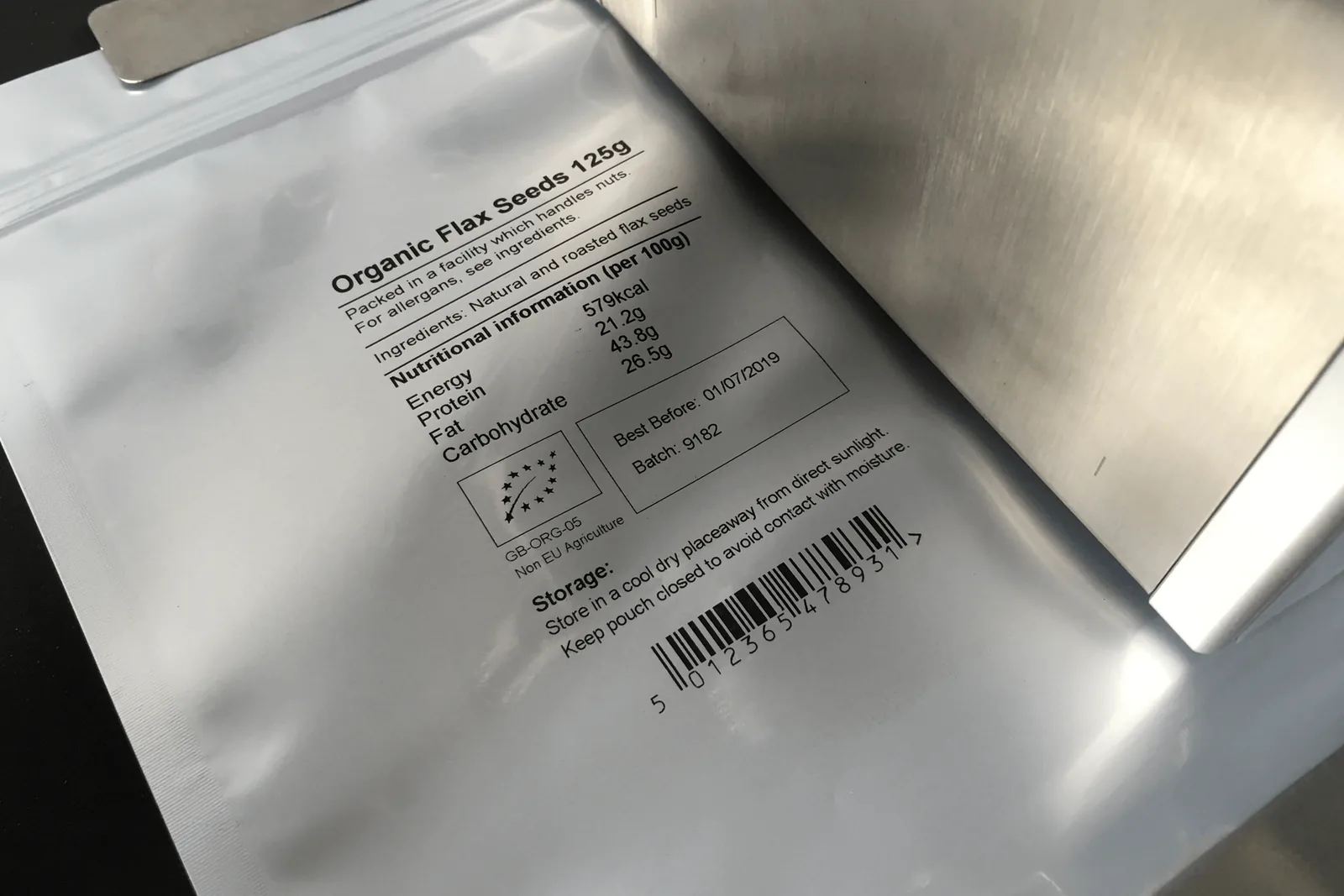
Date, batch and traceability printing on pouches, bags, labels, sleeves and flexible packs.
View details →Send pack photos, code artwork, material, speed, code position and available line space. Lancing can then advise on the most suitable inkjet coding route.
Tell us what you need to code and where the coder has to fit on the line.
Food and beverage lines can combine high throughput, chilled packs, washdown, many recipes and strict date controls. The coding brief should connect packaging conditions with the site's quality procedures.
Record temperature, condensation, oil, flour, sugar, dust and the time before the printed surface is touched or packed.
Define shelf-life calculation, batch or lot format, shift changes, recipe selection and first-off approval.
Confirm washdown, cleaning chemicals, enclosure rating, printhead protection and whether the coder is inside or outside the open-product area.
Test normal production plus format changes, a missing product, speed variation, wrong recipe, unreadable code, printer fault and reject failure. Use actual packs at their production temperature and retain approved samples. For flexible packaging, also test after sealing and cooling; for bottles and cans, test after condensation and case packing.
Related application detail is available for food date coding, bottles and pouches and film.
Send the product family, pack materials, date rules and cleaning method.
Review food and beverage coding