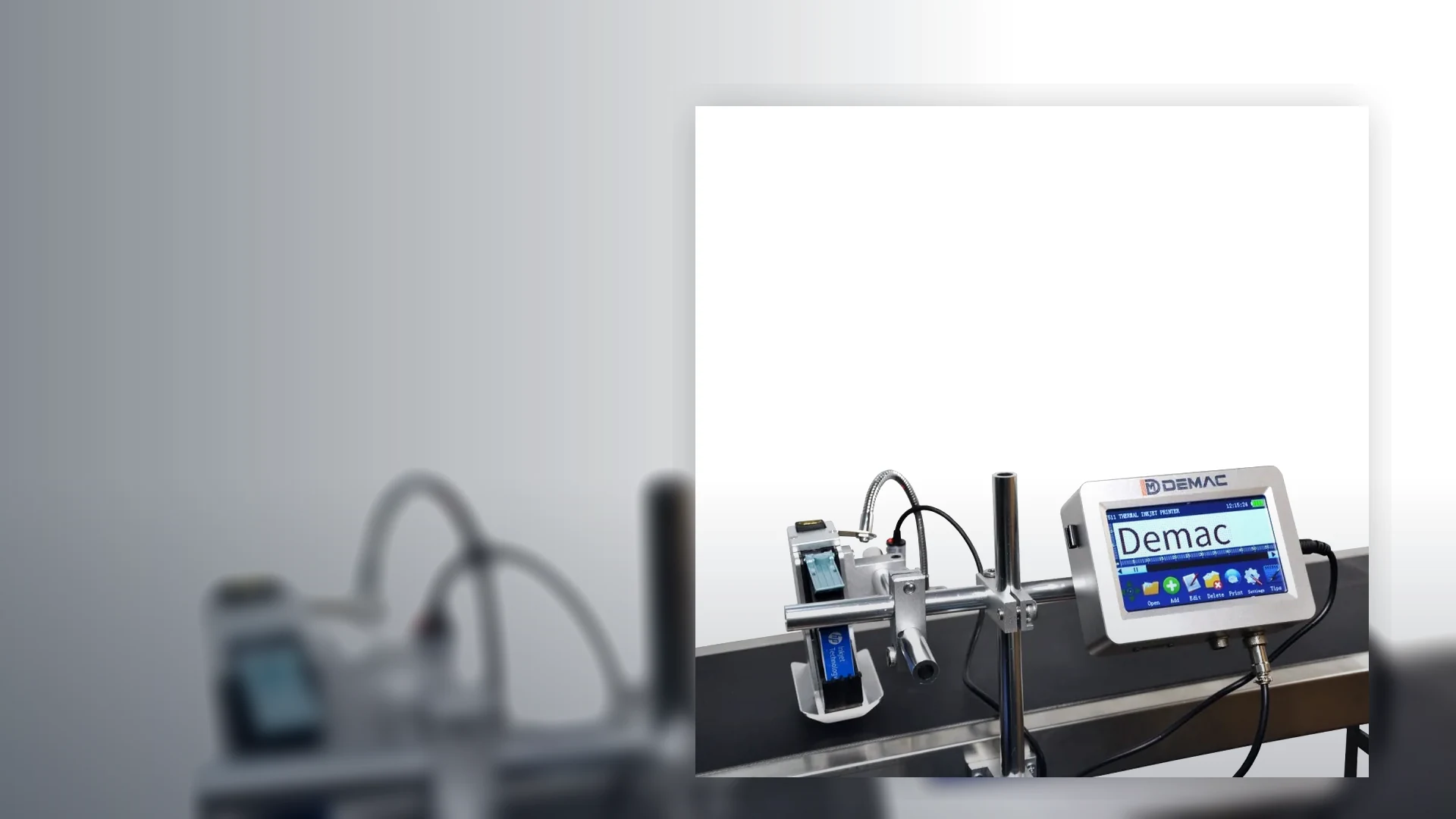
Bottle coding machines
Print expiry dates, batch numbers and traceability codes onto plastic bottles, glass bottles, jars, tins and small containers.
View details →Replace pre-printed boxes and manual marking with large character inkjet printing for outer cases, transit cartons, sacks and end-of-line packaging.
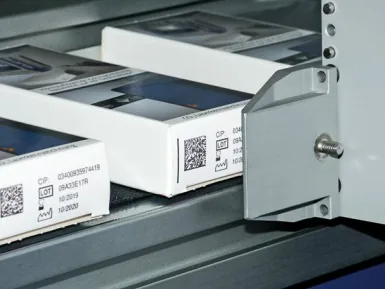
Before buying a coder, confirm the pack surface, speed and code requirement. The same date code can need a different machine depending on whether it is printed onto a curved bottle, carton, flexible film or outer case.
| Common uses | Outer case coding, carton batch marking, destination print, product ID |
|---|---|
| Typical products | Cardboard cases, trays, sacks, timber, drums and transit packs |
| Line integration | Side mounted print heads, product sensors, encoders and conveyor guides |
| Selection data needed | Print height, number of lines, carton surface, line speed and required data source |
Print expiry dates, batch numbers and traceability codes onto plastic bottles, glass bottles, jars, tins and small containers.
View details →Inkjet printers for retail cartons, shelf-ready packaging, shipping cases and end-of-line case marking.
View details →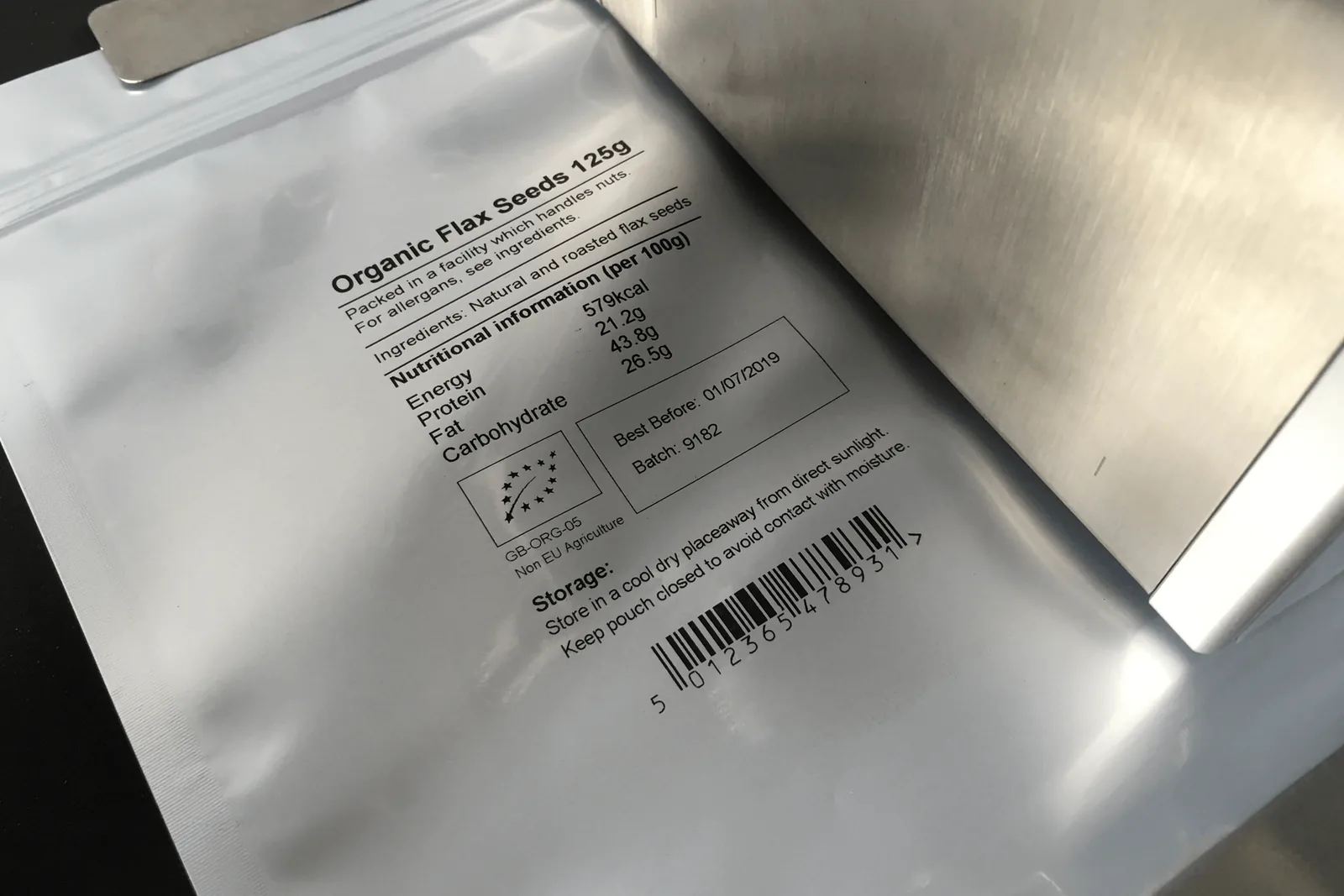
Inkjet and alternative coding solutions for stand-up pouches, bags, labels, sleeves and flexible packaging lines.
View details →In many outer-case applications it can reduce labels or pre-printed boxes, depending on barcode grade, customer requirements and surface quality.
Yes. Porous carton coding is a common use, with ink selection and print height matched to the packaging.
Many systems can receive variable data from a controller, scanner or database, depending on the model and integration scope.
Direct-to-case printing can remove pre-printed carton variants or labels, but the result depends on the box surface, print height, viewing distance and barcode-quality requirement.
Absorbent board often accepts water- or oil-based inks, but recycled fibre, dust, coatings and colour variation can reduce edge definition and contrast. Test every case grade that will be approved for production.
Coated board, plastic totes and glossy cartons may need a different ink system and longer drying or protected handling. Do not assume an ink proven on brown corrugated will work on a coated white case.
Provide the complete case mark, including text, symbols, date, lot, product code and barcode. Confirm the viewing distance and whether one or more printheads are needed to build the required height.
| Decision | Direct large-character inkjet | Print-and-apply label |
|---|---|---|
| Variable text | Efficient for changing text and simple graphics printed directly on the case. | Useful when detailed layouts, compliance labels or multiple media fields are required. |
| Surface | Best where the ink is proven on the actual case and presentation is controlled. | Label stock creates a consistent printed surface but adhesion to the case must be checked. |
| Barcode control | Can be suitable, subject to print resolution, contrast and case quality. | Often preferred for demanding logistics barcode grades and complex labels. |
| Consumables | Ink supply and cleaning routine. | Labels, ribbon where used, printhead wear and applicator maintenance. |
| Changeover | Message change without changing physical packaging artwork. | Message and label format change, with media replenishment. |
Cases must pass the printhead with a stable face and controlled gap. Confirm conveyor speed, case spacing, side guides, flap condition, vibration and the risk of skew. An encoder may be required where speed varies. If data changes case by case, define the source, record queue and behaviour when data is missing.
For multiple case sizes, record the printhead adjustment method and whether recipes, handwheels or automatic positioning are required.
Agree whether the requirement is a scanner read, process monitoring or formal verification. For formal grading, the verifier, lighting and applicable standard must be defined. Case colour, fibre, corrugation and ink spread can affect symbol contrast and modulation.
Include a reject or line-stop strategy where a missing or unreadable code creates a traceability risk.
It can where the printhead or case guide can be adjusted safely and repeatably. The adjustment range, datum and changeover method should be defined in the quotation.
Supply every board grade, colour and coating that represents normal production, including recycled or printed cases. Send the complete mark and the intended code location.
Not always. Labels may remain preferable for complex logistics content, strict barcode grades, customer-mandated formats or surfaces that do not accept direct ink reliably.
Use the actual print area, coverage, number of sides, cases per shift and cleaning routine. Compare those assumptions with label and ribbon use if print-and-apply is the alternative.
Send case samples, the full mark and conveyor details for a direct-print versus label review.
Review a case coding projectThe correct route depends on more than character height. Board grade, message width, number of sides, warehouse scanning, customer formats and case tracking determine whether direct inkjet, several printheads or a printed label is the stronger solution.
| Packaging requirement | Route to assess | Evidence needed before selection |
|---|---|---|
| Large text on consistent porous corrugated board | Direct large-character inkjet | All board grades and colours, maximum message, print height, production speed, dust condition and handling test. |
| Small text, dense variable data or a compact machine-readable code | High-resolution direct print, subject to board and print-distance trials | Approved artwork, code size, quiet zones, reader or verifier requirement and board variation. |
| Two panels or a message taller or wider than one head can provide | Multi-head direct inkjet arrangement | Head spacing, synchronisation, common trigger, case tracking, alignment tolerance and single-head fault response. |
| Coated, coloured or inconsistent cases with a strict logistics label | Print-and-apply label | Label format, adhesion, applicator position, ribbon or ink, barcode grade, reject and label-present confirmation. |
| Brand graphics or large fixed coverage | Pre-print combined with variable coding | Artwork ownership, stock variants, change control and the smaller variable data block still needed online. |
Place the sensor where each physical case can be identified once and tracked to the print point. Define what happens with touching cases, gaps, stopped conveyors, removed cases and restarts so the next message cannot be applied to the wrong pack.
Locate guides, belts, rollers and transfers so they do not rub the new print. Confirm the time before stacking, palletising or film wrapping, and test dusty or recycled board in the condition received from production.
State whether the requirement is visual legibility, scanner readability or formal verification. Agree symbol, size, orientation, sampling or 100% inspection, minimum result and the action for a failed or missing mark.
Large-character inkjet is strongest where variable information can be printed directly and consistently on the case. If the customer requires a complex logistics label, corner wrap, pallet label or label-presence confirmation, use the specialist print-and-apply machinery route.
For direct-print planning, continue with carton and box coding, case-coding options and verification and reject control.
Send every case grade and the complete logistics message.
Lancing can compare direct print, multi-head coding and label application without blurring the ownership of each technology.
Start with the smallest readable text or symbol and the total vertical message, then check the available panel and viewing distance. Print height must fit the exact head configuration at the proposed speed and resolution. Do not size the system from the largest possible character alone.
Board colour, porosity, flute, bow, recycled content, dust and coatings can change dot absorption and edge definition. Test current production cases from every approved supplier, including the least flat and darkest normal condition.
Many systems can be configured with several heads, but simultaneous print, cable reach, head spacing, data update and fault handling are model-specific. Define whether the heads build one tall image, print different faces or serve independent lanes.
The line response should match the business risk: warning, stop, controlled reprint or confirmed reject. A print command does not prove that a readable code reached the correct case. Define case tracking, inspection and reject confirmation where required.
Explore the inkjet coding question library for integration and acceptance answers.
Discuss a case-coding system