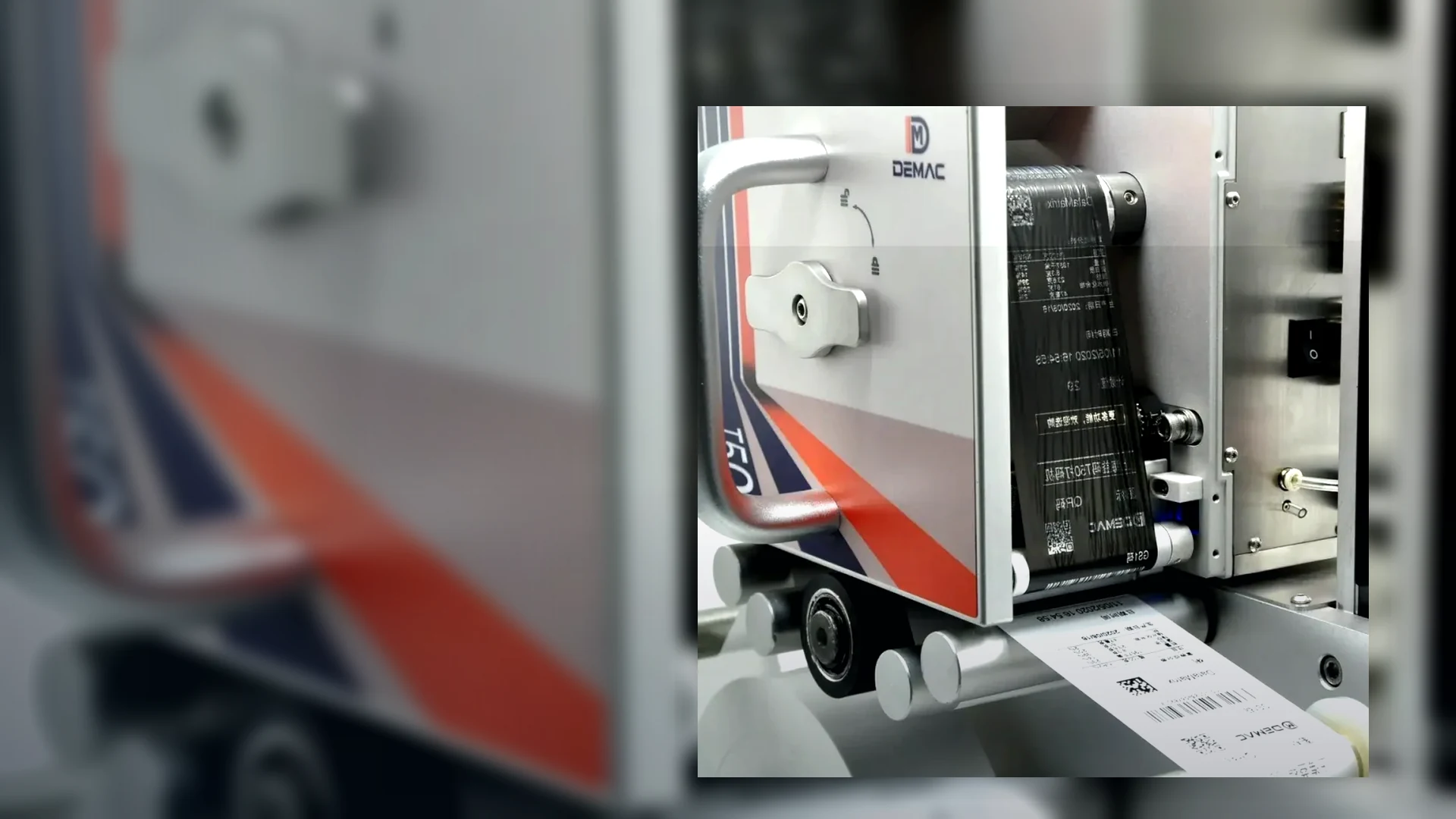
How to choose an inkjet coder
A practical buyer guide covering substrate, speed, code content, print height, environment and integration details.
View details →Plain-English guides for selecting inkjet coders, comparing CIJ and TIJ, and preparing useful information before asking for a quotation.
A practical buyer guide covering substrate, speed, code content, print height, environment and integration details.
View details →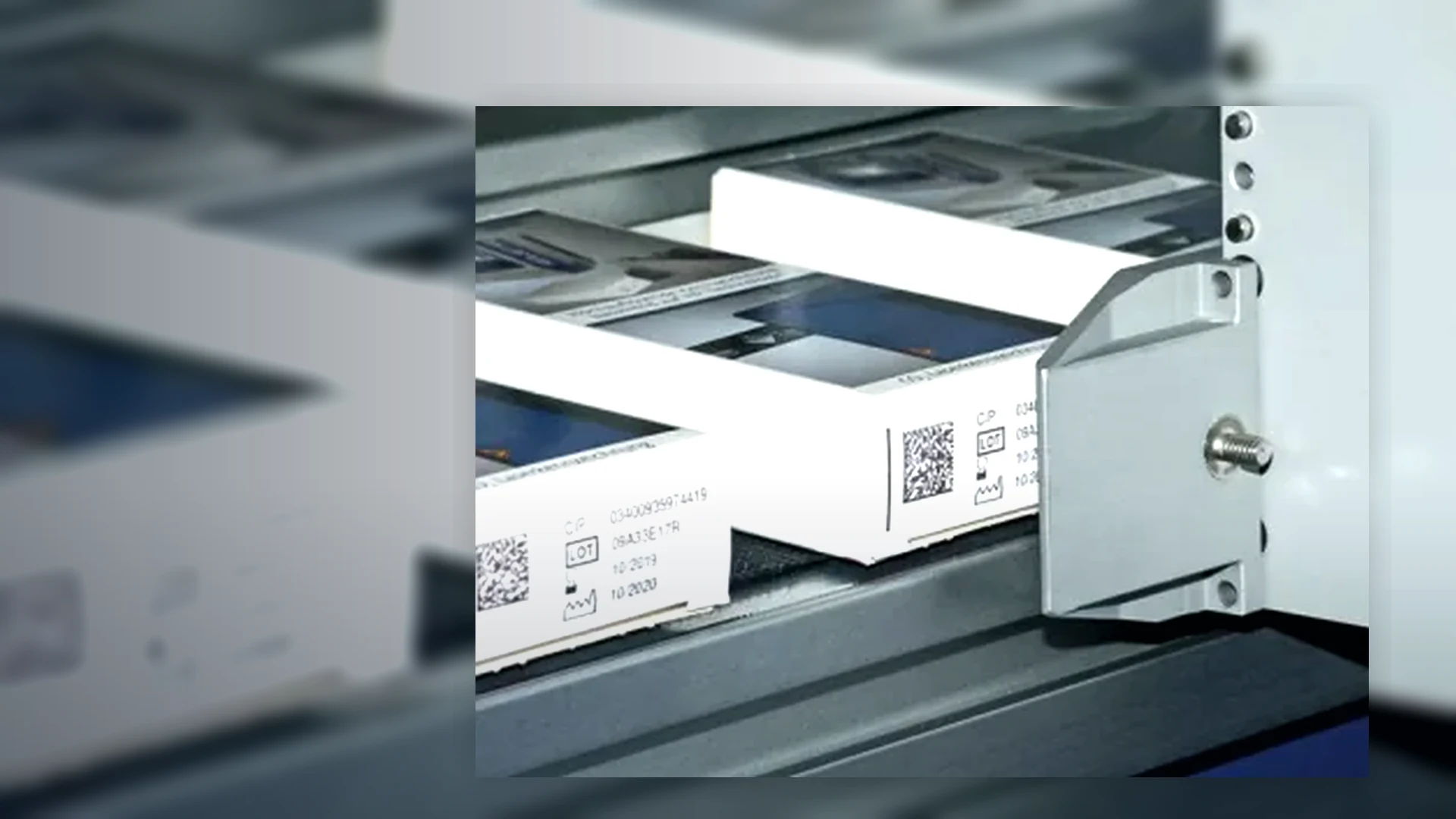
Compare continuous inkjet and thermal inkjet for bottles, cartons, pouches and production lines.
View details →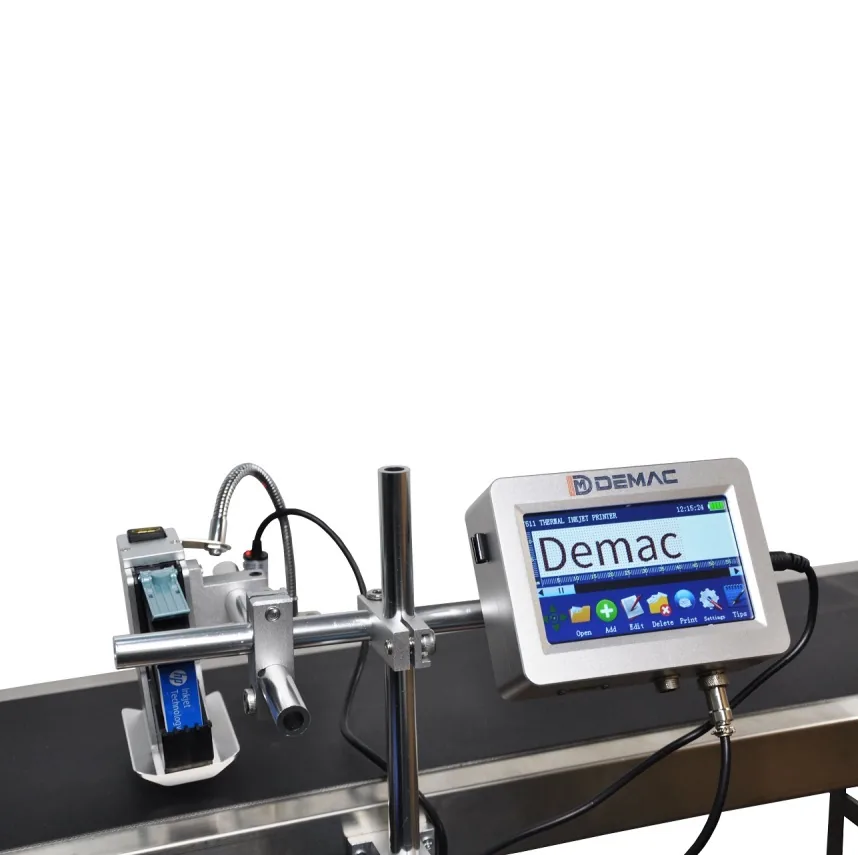
A simple checklist to gather the information needed before specifying a coder.
View details →
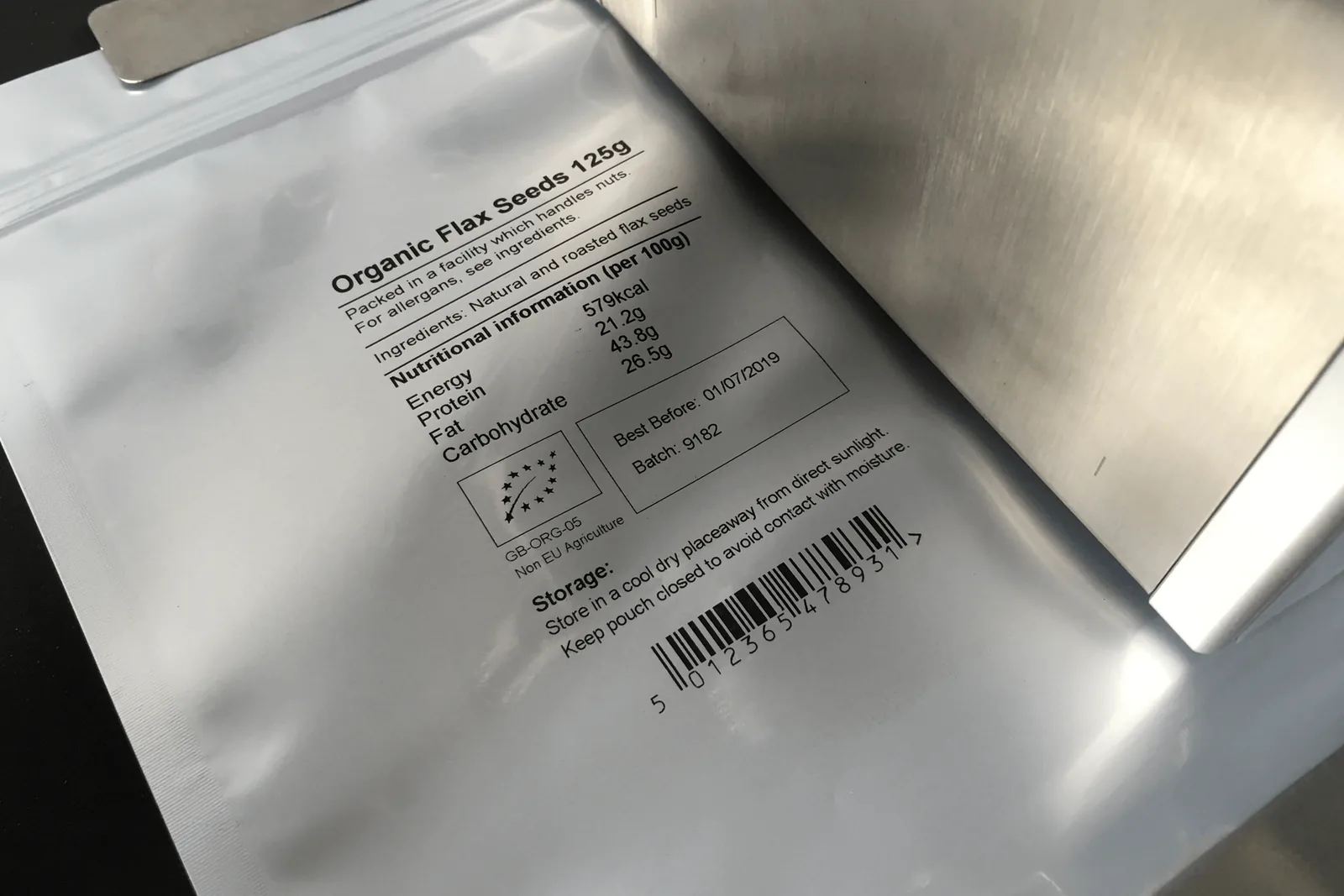
Match inkjet inks to plastic, glass, film, cartons, labels and coated packs.
View details →A useful enquiry contains enough evidence to rule technologies in or out. Work through the decisions below before comparing individual machines.
Use How to choose an inkjet coder and the CIJ versus TIJ comparison to match product presentation, print quality and maintenance expectations.
The ink and substrate guide explains why material description alone is not enough and how representative samples should be assessed.
Use the code quality guide to separate visual legibility, barcode reading and formal verification, then record the agreed acceptance method.
Review the coding checklist, CIJ maintenance checks and installation cost factors.
Record pack samples, drawings, message artwork, line speed, product pitch, print position, surface condition, utilities, controls, inspection, reject logic, user roles, cleaning and acceptance criteria in one document. Update it when a pack or line condition changes so that supplier responses remain comparable.
Send the completed information with photographs and a short line video for a more useful recommendation.
Send your coding briefUse these resources to compare technologies, control variable data, prove print quality and prepare a complete enquiry.
Equipment, integration, consumables, service and cost per accepted code.
Compare material response, consumables, extraction, guarding and ownership.
Choose between direct inkjet and ribbon printing for packs and film.
Data carrier, variable fields, print engineering and transition testing.
Reading, online inspection, formal verification and reject control.
Food date-mark meaning, data control, legibility and line clearance.
Acceptance evidence for print, speed, data, faults and handover.
Sensors, encoders, PLC, ERP/MES, vision and reject signals.
Safety data, risk assessment, storage, handling and DSEAR review.
Compare large-character inkjet with print-and-apply identification.
Representative samples, dry time, handling and change control.
Master data, job selection, inspection, reject confirmation and restart.
The question library gives concise answers first, then the conditions, comparisons and checks needed for a defensible coding decision.
Use the answers to prepare a specific production brief.
Ask Lancing a coding questionExtend the selection work into the complete ownership cycle, including operator handover, approved consumables, critical spares and controlled replacement of an existing coder.
Survey the current line, signals, data and accepted print before choosing a retrofit or replacement route.
Read the replacement guide →Define role-specific operation, message control, cleaning and escalation.
View training support →Control exact references, storage, shelf life and critical-spares planning.
View consumables support →