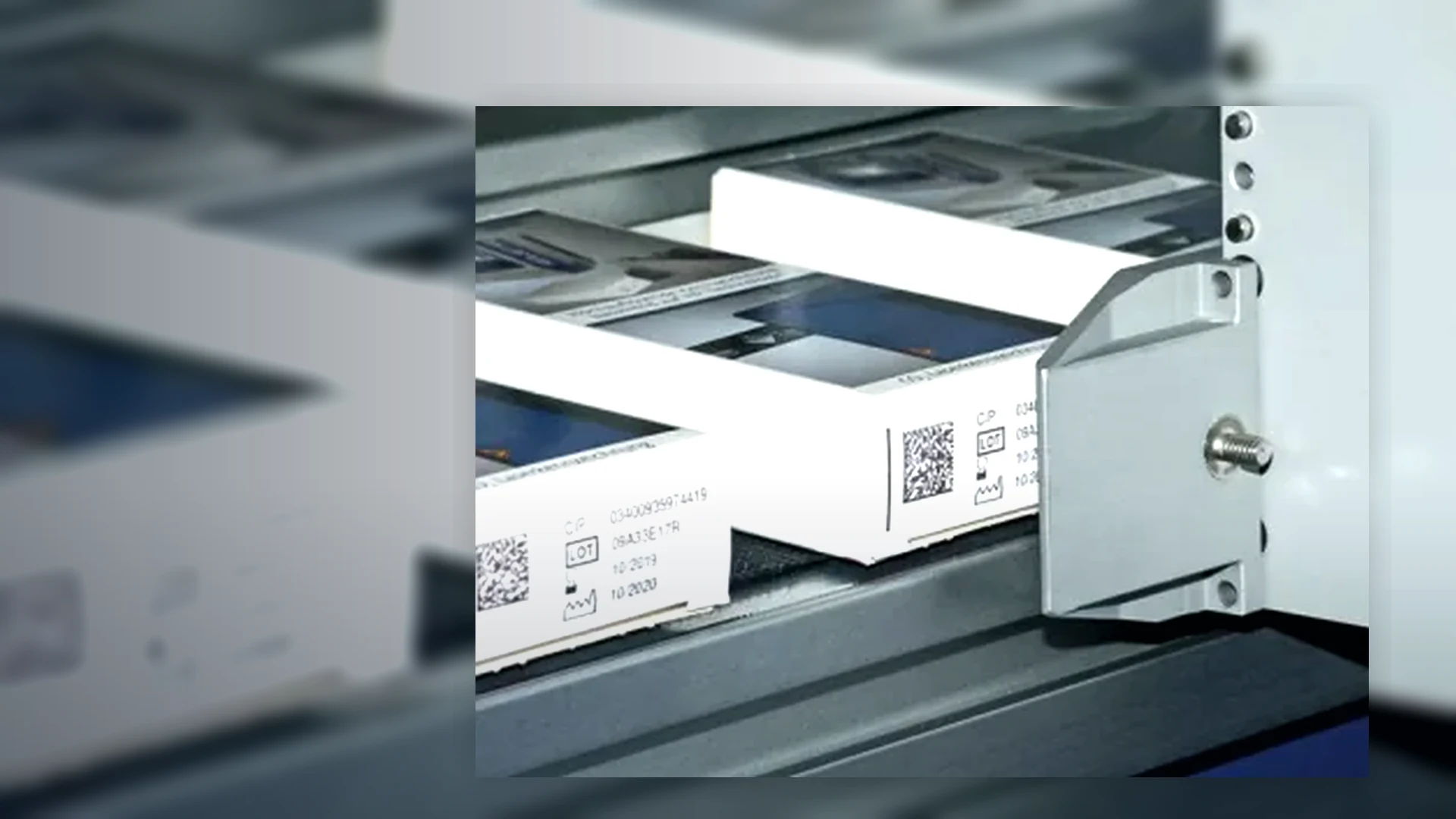
Continuous inkjet coders (CIJ)
Non-contact inkjet coders for fast moving bottles, cans, containers, flexible packs and irregular products where the code has to be applied while the line keeps moving.
View details →Thermal inkjet and large character inkjet systems for retail cartons, sleeves, trays, shelf-ready packaging and outer shipping cases.
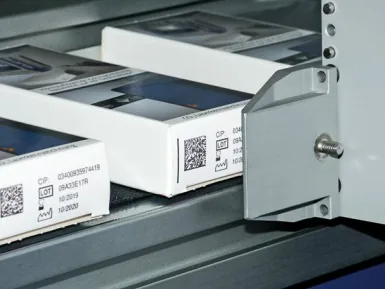
The coder must be matched to the product surface, line speed, orientation and the amount of variable data being printed. A practical trial is recommended where adhesion, dry time or barcode quality is important.
For high speed or curved products, start with continuous inkjet. For cartons, labels and flat surfaces requiring crisp codes, start with thermal inkjet. For outer cases, consider large character inkjet. For very low volumes, a handheld inkjet coder may be enough.
Send application detailsNon-contact inkjet coders for fast moving bottles, cans, containers, flexible packs and irregular products where the code has to be applied while the line keeps moving.
View details →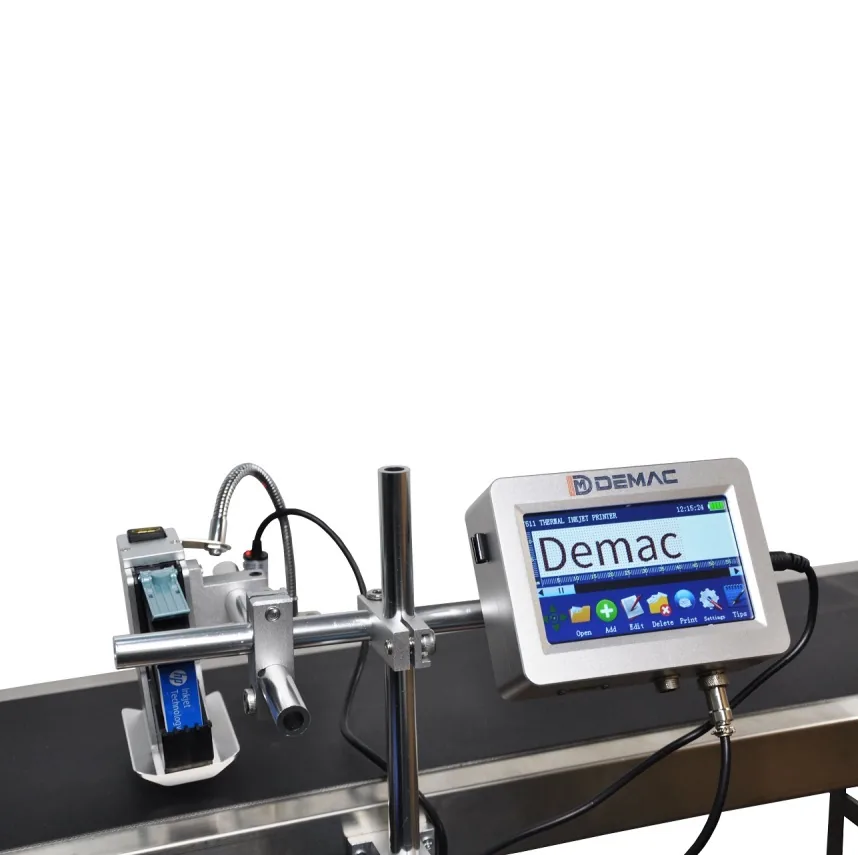
Clean cartridge-based inkjet printers for cartons, sleeves, labels, trays and porous or coated packaging where crisp text, QR codes and barcodes are required.
View details →Industrial inkjet marking systems for outer cases, transit boxes and trays, replacing pre-printed cartons with flexible variable print.
View details →Small retail cartons and corrugated shipping cases can carry very different data and quality requirements. Define the packaging level, substrate and customer specification before choosing direct inkjet or a printed label.
Coated folding cartons may need crisp small text, 2D codes or artwork-quality positioning. TIJ can be a useful route where the carton is presented flat and the cartridge is proven on the coating.
Corrugated cases often need larger product, lot or logistics information. Large-character inkjet may reduce pre-printed box variants where contrast and barcode requirements can be met.
Labels can be preferable for complex layouts, strict logistics symbols, customer-mandated formats or surfaces that vary too much for direct ink. The applicator and label adhesion still require an application trial.
| Check | Direct inkjet question | Label route question |
|---|---|---|
| Surface | Will the approved ink remain sharp and dry on every board grade? | Will the label adhere through storage and distribution? |
| Data | Can the print width and resolution carry the complete message? | Does the label design and printer support all fields and symbols? |
| Barcode | Can the code meet the agreed reading or verification requirement on board? | Can label stock, ribbon and applicator position meet that requirement? |
| Changeover | How are printhead height, message and case guides changed? | How are label rolls, ribbon, format and applicator settings controlled? |
| Cost | Ink, cleaning and maintenance by case volume and coverage | Labels, ribbon, waste, printhead and applicator maintenance |
Flaps, tape, gaps and skew can move the print surface. Position the sensor and printhead on a stable panel and use side guidance that does not rub the fresh code. For variable conveyor speed, confirm whether an encoder is needed.
Where case data is downloaded from upstream equipment, define the queue, product tracking and response to a missing or unreadable code.
A successful scanner read is not the same as formal verification. Agree the symbol, size, quiet zone, data content, print orientation, sampling frequency and minimum grade where required. Board colour, fibre and print spread can vary between suppliers.
For specialist print-and-apply requirements, use the appropriate Lancing site.
Sometimes, but the print height, resolution, ink and mounting requirements may differ. Trial both substrates and confirm whether changeover is practical.
It can reduce variants where the required design and code quality fit the printer. Branding, large graphics and strict logistics labels may still need pre-print or labels.
Fibre, colour, absorbency, dust and surface roughness can change ink spread and contrast. Approve every board grade used in production.
Choose a stable, visible panel clear of tape, seams, handles, compression points and guide-rail contact. Confirm customer and warehouse scanning positions.
It is often considered for complex labels, high barcode-quality requirements, pallet or corner-wrap application and cases that do not accept direct ink consistently.
Send case samples, logistics label requirements and conveyor details for a direct-print comparison.
Review carton and case codingThe model route depends on whether the carton is already on a stable conveyor, needs a new compact coding station, requires a tall or multi-head print, or is handled in short manual batches.
| Model | Format | Use case |
|---|---|---|
| LU-IIP600-B | Bolt-on thermal inkjet (TIJ) | A sensor-triggered thermal inkjet system designed to add variable batch and date coding to an existing conveyor or labelling line. |
| LU-DC127 | Thermal inkjet (TIJ) with integrated conveyor | A compact thermal inkjet coding system with touchscreen controller, printhead, sensor, adjustable mount and integrated conveyor. |
| LU-IIP550 | Configurable inline cartridge inkjet | A configurable inline cartridge-inkjet system for variable text, dates, images, barcodes and QR codes on suitable bottles, labels and cartons. |
| LU-DC1S | Handheld cartridge inkjet | A rechargeable portable coder for short runs, varied pack formats, rework and manual coding where a fixed production line is not justified. |
Provide the erected or flat carton, label finish, reserved code panel, output and current handling method.
Specify a carton coding system