Pack details
Material, shape, print area, label or direct print, and whether the pack is dry or handled soon after coding.
Bottle expiry date coding depends on bottle material, speed, curve, code location and whether the bottle is dry, chilled or labelled.
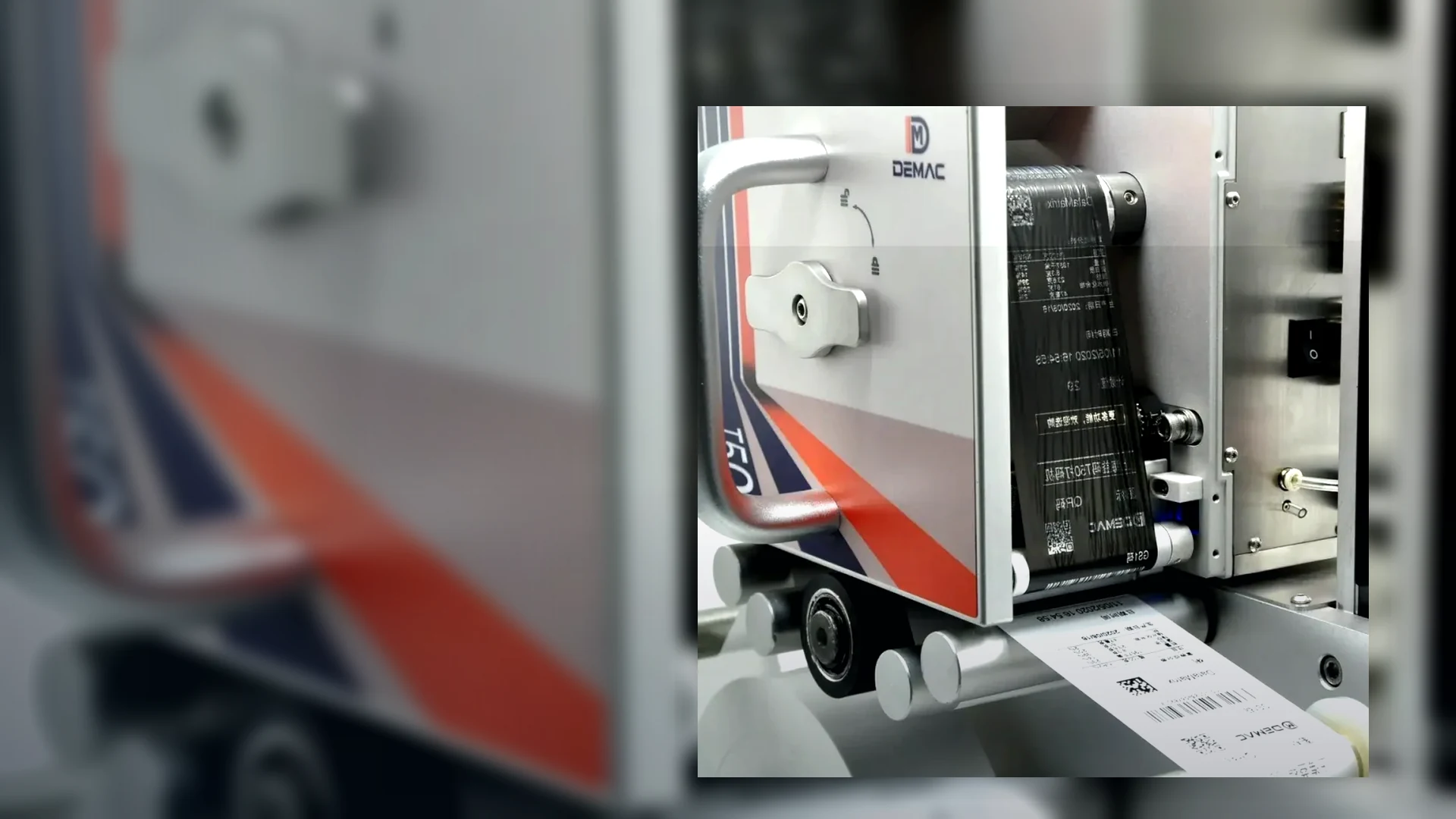
Guide to choosing an inkjet coder for printing expiry dates, batch codes and lot numbers on bottles.
The right recommendation depends on the material, print area, expected contrast, dry time, production speed and how operators will change messages. Lancing can look at your sample pack and advise whether CIJ, TIJ, large character or handheld inkjet is the best fit.
Date, batch, lot, expiry, serial number, barcode, QR code or simple product identification.
Plastic, glass, metal, carton, label, sleeve, pouch, tray, sack, case or coated packaging.
Speed, printhead position, product sensor, encoder, brackets, guards and operator access.
Send the pack type, code example, line speed and available space. We can suggest the best coding route before you commit to a machine.
These pages are written around real packaging problems: substrate, line speed, print position, operator changeover and traceability content.
Material, shape, print area, label or direct print, and whether the pack is dry or handled soon after coding.
Speed, product spacing, conveyor movement, guarding, operator access and available mounting space.
Number of lines, date format, batch or lot content, barcode or QR size and data source.
Compare machine types and related print requirements before requesting a recommendation.
Yes. The usual print content is a date, batch number, lot code, expiry date, barcode, QR code or production reference. The best technology depends on the pack surface and line speed.
Ink choice and print position matter. A sample pack check helps confirm contrast, adhesion and dry time before installation.
Most installations can be designed around an existing conveyor or machine using brackets, sensors, encoders and practical guarding access.
Share your product, code content, line speed and pack material for practical UK advice.
Start by following the bottle through the line. The best coding point is not always the first available space; it is the point that gives a stable surface, enough drying time and a clear route for inspection or rejection.
Record whether the bottle is empty, filled, cold, wet, capped, labelled or handled by guides at each possible coding position.
Compare shoulder, side wall, base, cap, label and carton. Avoid ribs, mould marks, seams and high-contact areas.
Guide the bottle without rotation or bounce and maintain the required print gap throughout the size range.
Use CIJ for fast curved packs or TIJ for a controlled label or panel, subject to sample testing.
Define date format, offset, batch or lot, shift and the process for recipe selection and first-off approval.
Inspect after labelling, packing, chilling and handling, not only immediately after printing.
Smearing can come from condensation, unsuitable ink, short dry time or guide contact. Slanted or stretched characters can come from bottle rotation, changing speed or an incorrect encoder setup. Missing prints can come from reflective surfaces, poor sensor position, double bottles or unstable pitch. Treat the mechanical and control causes before changing the message.
Send bottle samples and a video from filling through case packing to identify the best coding point.
Review bottle expiry coding