Commissioning and validation
Inkjet coder FAT and SAT acceptance testing
Turn the coding requirement into repeatable tests so printer, line controls, inspection and recovery are accepted against the same evidence.
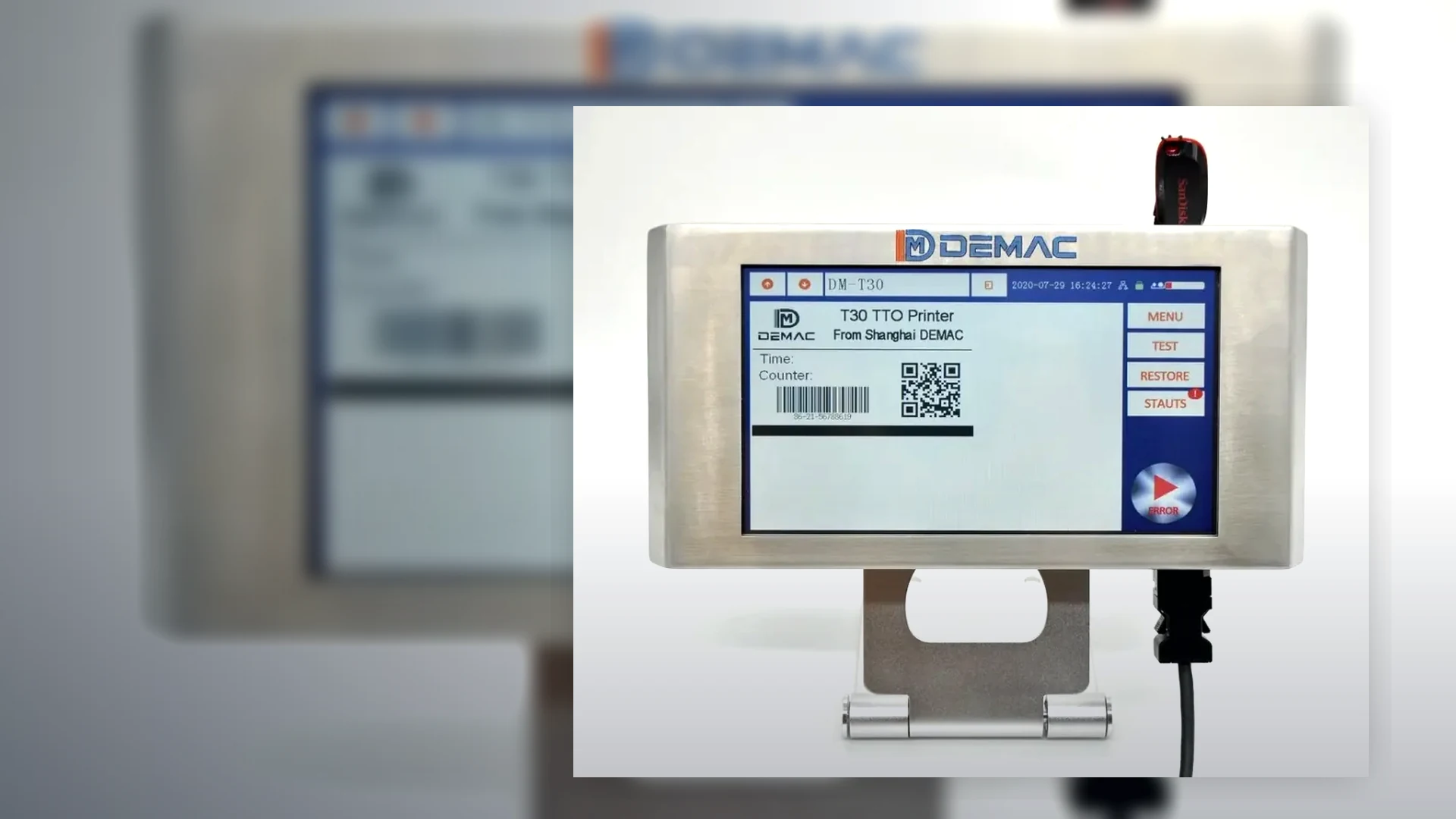
Turn the coding requirement into repeatable tests so printer, line controls, inspection and recovery are accepted against the same evidence.
A factory acceptance test normally proves the configured system against representative samples and simulated interfaces before dispatch. A site acceptance test proves the installed system on the real line with site utilities, production materials, operators and upstream or downstream equipment. The exact scope must be agreed in the quotation or user requirement.
| Test area | FAT focus | SAT focus |
|---|---|---|
| Printer and message | Approved jobs, fonts, dates, fields, barcode or 2D formats and user access. | Correct job selection from the live production process. |
| Pack and print quality | Representative samples at agreed conditions. | Production packs at normal and worst-case line conditions. |
| Speed and triggering | Simulated or test-conveyor speed, sensor and encoder response. | Actual product pitch, starts, stops, acceleration and changeovers. |
| Controls and data | Defined I/O and simulated data messages. | Live PLC, database, ERP or MES behaviour and network failure response. |
| Inspection and reject | Challenge samples and logic demonstration. | Physical tracking, reject, confirmation and fail-safe line response. |
| Handover | Documentation and open-item list. | Training, approved settings, spares, maintenance and final sign-off. |
Use current packs from the approved supplier, including the most difficult colour, coating, curvature, condensation or dust condition.
Include maximum lines, smallest characters, largest barcode or 2D payload, date rules, logos and all external-data fields.
Define visual limits, adhesion or rub method, scanner or verifier, inspection tolerances, speed and sample quantity before the test.
If a production line, database, verifier or reject system is unavailable at FAT, state exactly how it is simulated and which tests remain for SAT. An untested interface should not be described as accepted.
| Challenge | Expected evidence |
|---|---|
| Product missing or double-fed | No uncontrolled print on the wrong pack and correct recovery of the next product. |
| Line speed changes | Code length and position remain within the agreed limits or the system enters a defined fault state. |
| Wrong job requested | Access, validation or line logic prevents release or produces a clear, recorded alarm. |
| Data connection lost | Printer and line follow the agreed hold, stop, buffer or recovery sequence. |
| Unreadable or missing code | Inspection identifies the failure and the correct pack is stopped or rejected. |
| Reject not confirmed | Line enters the agreed fail-safe state so the failed pack cannot continue unnoticed. |
| Power loss and restart | Correct job, date, counters and product status are restored through a controlled restart check. |
| Consumable change | Operator completes change safely and confirms the first acceptable print before release. |
Send the user requirement and proposed acceptance criteria with the enquiry.
Plan a coding acceptance test