Consumables and workplace safety
Inkjet ink, solvent and COSHH planning
Select consumables for print performance and manage them through current safety data, site risk assessment, storage, ventilation and trained handling.
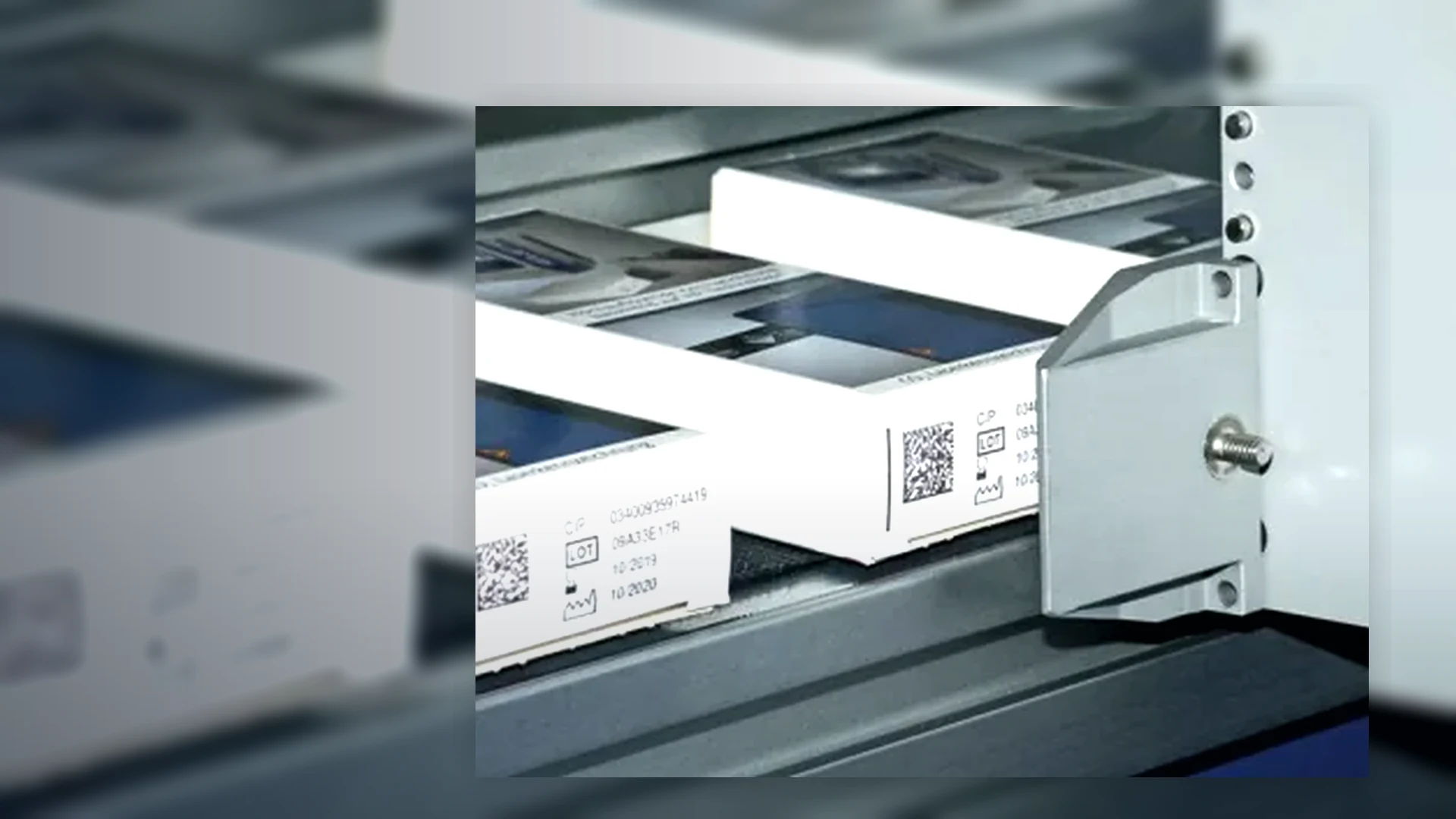
Select consumables for print performance and manage them through current safety data, site risk assessment, storage, ventilation and trained handling.
The Health and Safety Executive states that safety data sheets describe chemical hazards and handling information, but the employer must use them as part of its own assessment. Obtain the current SDS for every proposed ink, make-up fluid, cartridge, cleaner and maintenance product before approval.
See HSE guidance on chemical safety data sheets, COSHH and printing products and DSEAR. A competent site-specific assessment is required.
Review inhalation, skin and eye exposure, sensitisation, cleaning tasks and accidental release using the SDS and actual work method.
Check flash point, storage quantity, vapour control, ignition sources and whether DSEAR assessment or hazardous-area controls apply.
Define spill control, waste, empty containers, contaminated wipes and disposal according to supplier and site requirements.
An ink that prints well still needs to be suitable for the workplace, product and packaging process. Record the exact consumable reference used in the sample trial so a later substitute is not treated as equivalent without review.
| Approval item | Information to record |
|---|---|
| Product identity | Manufacturer, product code, colour, batch where relevant and current SDS revision. |
| Printer compatibility | Approved printer, printhead, fluid system or cartridge and any software identification. |
| Packaging compatibility | Substrate, coating, direct or indirect contact boundaries, dry time and durability test. |
| Workplace controls | Ventilation, enclosure, storage, PPE, spill response, cleaning and waste arrangements. |
| Change control | Who approves another ink, supplier, formulation, colour, cleaner or pack material. |
Check labelling, segregation, temperature limits, flammable storage requirements, stock rotation and access to current SDS information.
Use the approved work instruction, prevent mixing incompatible products, minimise spills and confirm the printer returns to the correct job.
Control exposure during printhead cleaning, draining, filter or module replacement and spill recovery. Isolation and guarding remain part of the task.
Do not infer hygiene suitability or an IP rating from the printer type. Confirm enclosure protection, cleaning chemicals, mounting, consumable handling and where ink or cleaning fluid could travel during normal operation or a leak.
Include site safety requirements and approved packaging samples with the application enquiry.
Review ink and consumable suitability