Large character inkjet coders
Case and carton marking for outer packaging, trays, sacks and transit boxes.
View details →Inkjet batch marking and large character case coding for sacks, boxes, trays, bags and industrial packs used in building, trade and manufacturing supply chains.
Building material and trade product packs may need large text, batch IDs, product references, destination marks or traceability codes. Large character inkjet and industrial inkjet systems can reduce pre-printed packaging and support variable product runs.
| Typical packs | Sacks, bags, cartons, boxes, trays, outer cases and trade packs |
|---|---|
| Common print | Batch, lot, product ID, destination, handling mark and barcode |
| Main considerations | Print height, surface porosity, dust, pack stability, code contrast and line speed |
| Related options | Large character inkjet coders, carton coding and industrial inkjet printers |
A good recommendation starts with the product material, required code, speed, code position, production environment and whether the code is being applied to the primary pack or outer packaging.
Send it with your enquiry so the coder type, bracket position, print head access and ink choice can be reviewed properly.
Compare related coder types, applications and specification guidance.
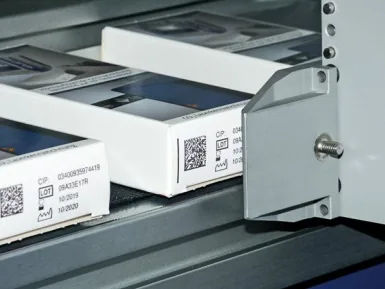
Case and carton marking for outer packaging, trays, sacks and transit boxes.
View details →Inkjet carton coding for retail cartons, shipping cases and outer boxes.
View details →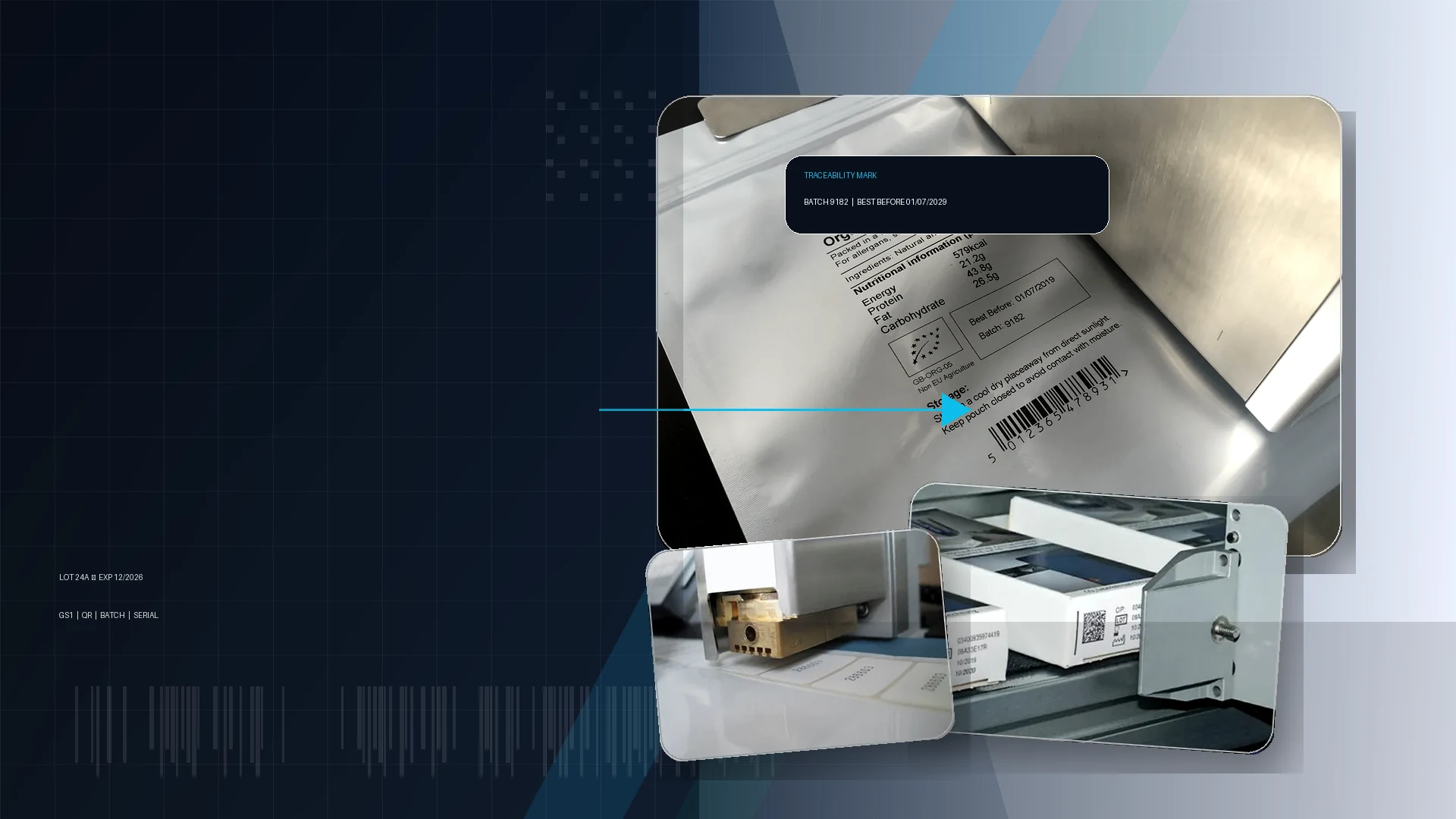
Non-contact product and packaging marking for manufacturing lines.
View details →Send pack photos, code artwork, material, speed, code position and available line space. Lancing can then advise on the most suitable inkjet coding route.
Tell us what you need to code and where the coder has to fit on the line.
For sacks, cartons or trade packs, decide which face remains visible once the product is stacked, wrapped or prepared for dispatch. Show the intended text and any machine-readable mark at that position. The coding proposal should address the real presentation of the pack rather than an isolated flat sample.
Describe variations in pack shape and surface condition at the marking point. Include filled examples or an appropriate representation where the pack changes shape in use. Ask the assessment to identify how product guidance, printhead access and the required mark size fit the proposed line position.
Define their uses separately. Human legibility and the required performance of a machine-readable mark should both be assessed for the intended handling route.