Material extremes
Include porous and non-porous variants, light and dark colours, coated and uncoated surfaces, recycled-content changes and different packaging suppliers where applicable.
A useful coding trial uses current production packs in their real condition, the final message and agreed acceptance checks rather than an idealised blank sample.
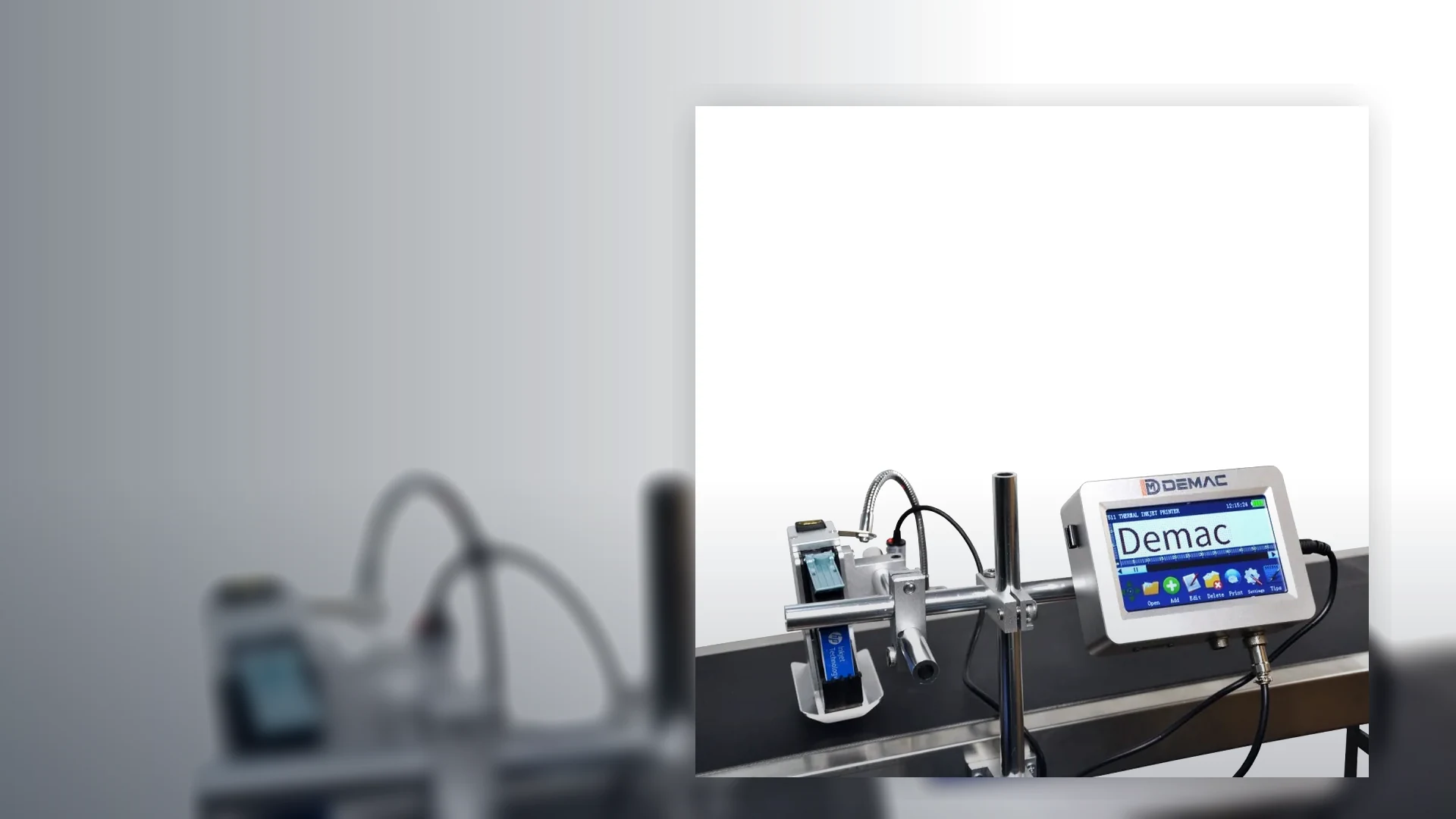
Send representative production samples for every material, colour, coating, shape and supplier variation that could change print quality or printhead clearance. Include the least favourable normal condition, such as chilled bottles with condensation, dusty cases, flexible packs at their filled shape or glossy labels with the current coating. A flat unused sample may not reveal the real adhesion, handling or presentation risk.
Identify each sample with its supplier, grade, pack size, print side and intended code position. If the packaging is filled, washed, sterilised, chilled, heated or cleaned before coding, explain that sequence and provide samples after the relevant process where safe and practical.
The number depends on variation, not on a fixed sample count. One sample cannot prove a mixed-format line. The trial set should cover the extremes that change surface chemistry, print gap, code position or scanner performance.
Include porous and non-porous variants, light and dark colours, coated and uncoated surfaces, recycled-content changes and different packaging suppliers where applicable.
Include the smallest and largest format, the most curved surface, the greatest expected bulge and any pack with seams, ribs, handles or recessed panels.
Include packs at the normal cold, warm, damp, dusty, oily or recently cleaned condition where those states can occur in production.
Use the actual production message rather than a short demonstration word. Provide the date format, batch or lot structure, shift code, serial number, barcode or 2D data, font, smallest character, logo and any fixed text. State whether data will be entered by an operator, selected from a recipe, scanned from a work order or received from a PLC, database, ERP or MES.
| Trial input | What to provide | What it proves |
|---|---|---|
| Pack and surface | Identified samples, material, supplier, colour, coating, print side and production condition. | Ink compatibility, contrast, print gap and physical access. |
| Message | Final artwork or exact data fields, size, orientation, date rules and variable-data source. | Print height, resolution, speed requirement and data handling. |
| Line conditions | Products per minute, conveyor speed, pitch, direction, stops, changeovers and coding-point video. | Triggering, encoder need, mounting and recovery behaviour. |
| Acceptance | Dry time, visual standard, rub method, scanner or verifier requirement and code-position tolerance. | Whether the result is genuinely suitable rather than merely printable. |
Repeat the relevant checks when the pack supplier, material, coating, ink, cartridge, printer model, message size, code position, line speed, cleaning chemical or environmental condition changes. Keep the approved sample and trial record linked to the production specification so later changes are visible.
Label the samples and include the final message plus a short line video.
This gives Lancing a defensible basis for selecting the trial route.