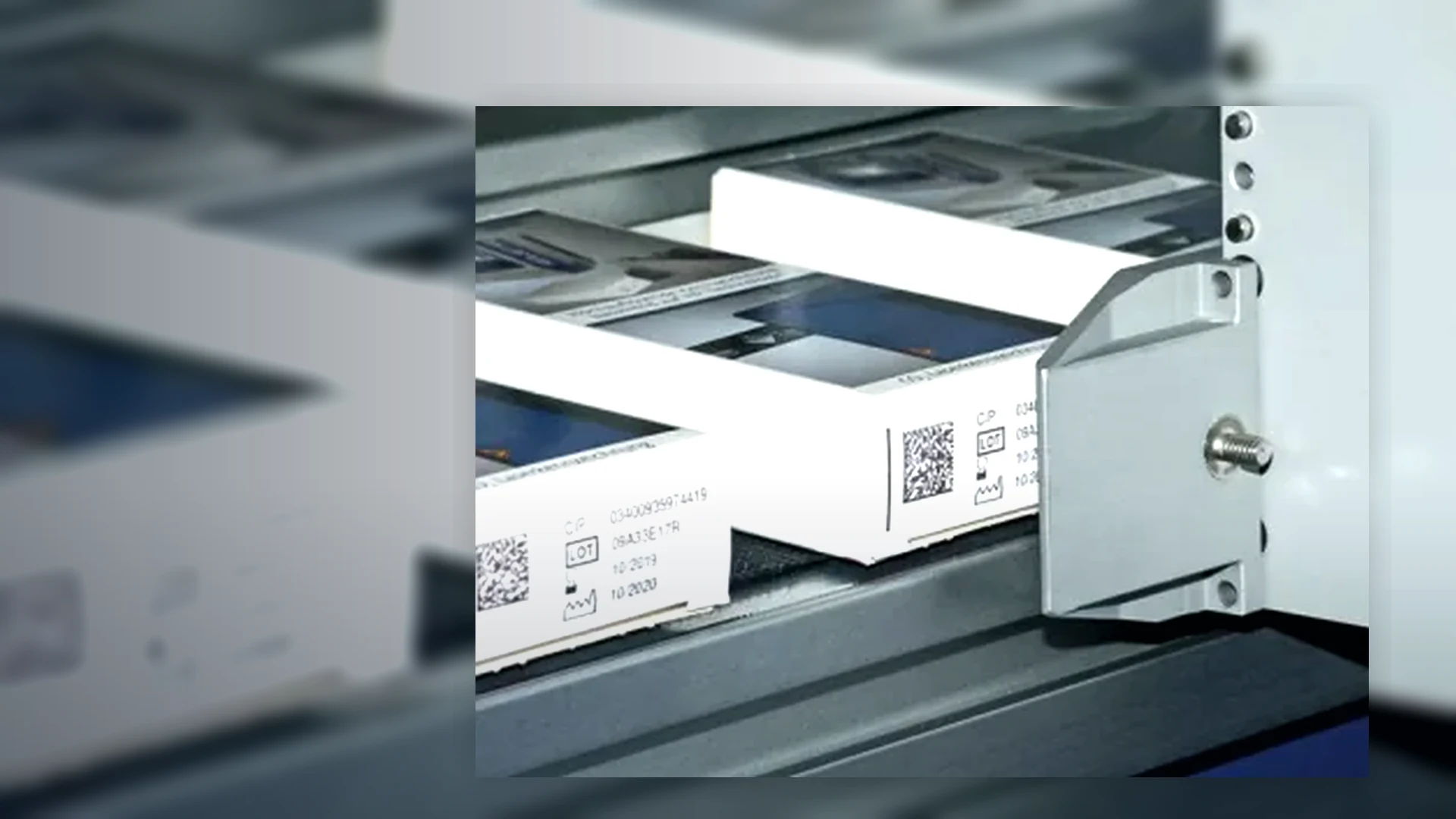
Continuous inkjet coders (CIJ)
Non-contact inkjet coders for fast moving bottles, cans, containers, flexible packs and irregular products where the code has to be applied while the line keeps moving.
View details →Secondary packaging coding can reduce labels, support variable product information and improve dispatch traceability on cartons and cases.
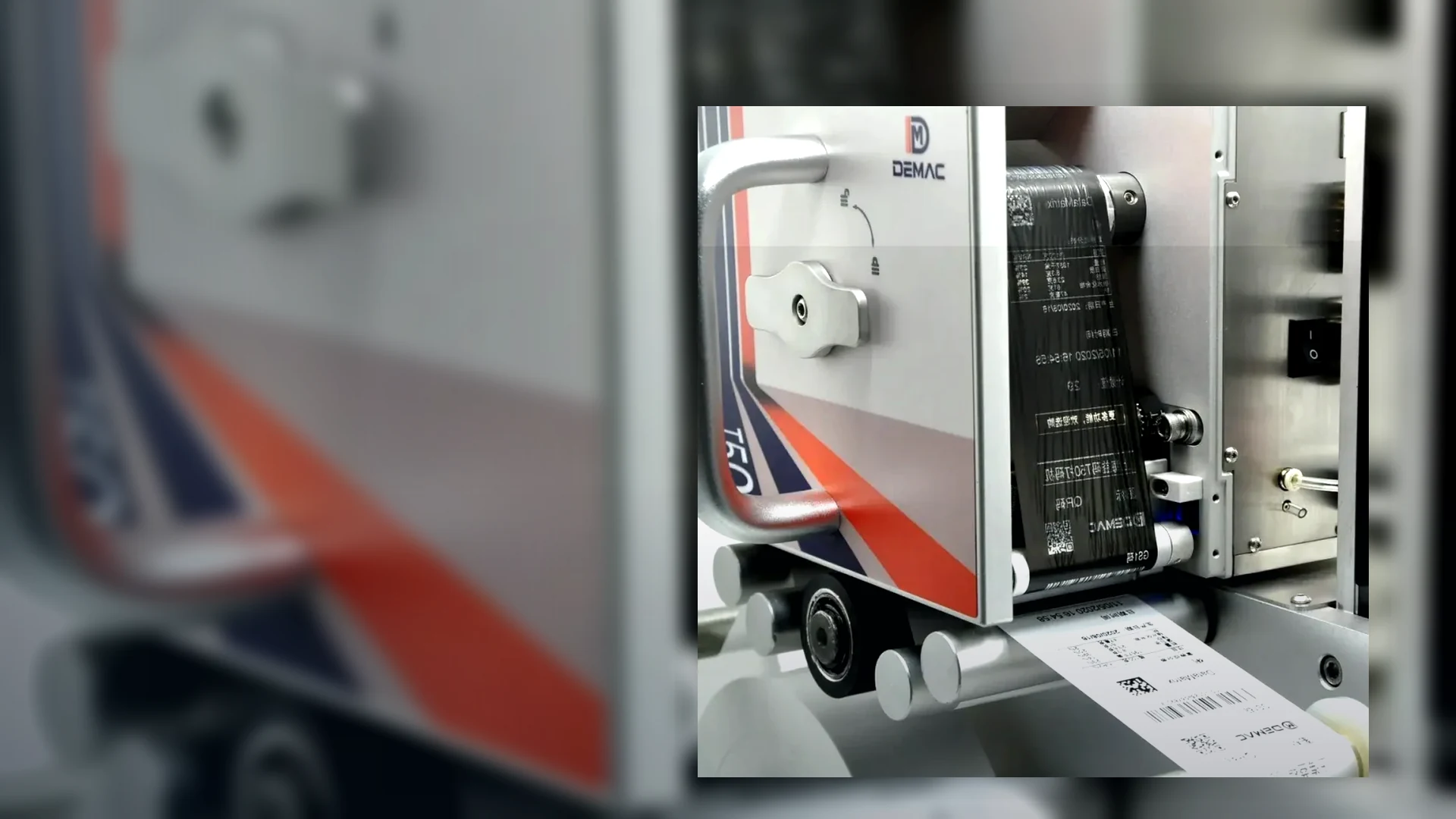
A good secondary packaging coder is selected from the production problem rather than the brochure. The main questions are: what material are you printing onto, how fast is it moving, how much space is available, what code height is needed and how often does the operator change product?
For bottles and containers, continuous inkjet is often the first technology to assess. For cartons, labels and sleeves, thermal inkjet is often a cleaner high-resolution option. For outer cases and boxes, large character inkjet can reduce labels and pre-printed packaging. For short runs, handheld inkjet can provide a practical low-cost route.
Dates, batch numbers, lot codes, serial numbers, QR codes, barcodes and production references.
Cardboard, coated cartons, plastic, glass, metal, films, labels, sleeves, trays and pouches.
Conveyor speed, side guides, product sensor, encoder, head position, guarding and operator access.
Non-contact inkjet coders for fast moving bottles, cans, containers, flexible packs and irregular products where the code has to be applied while the line keeps moving.
View details →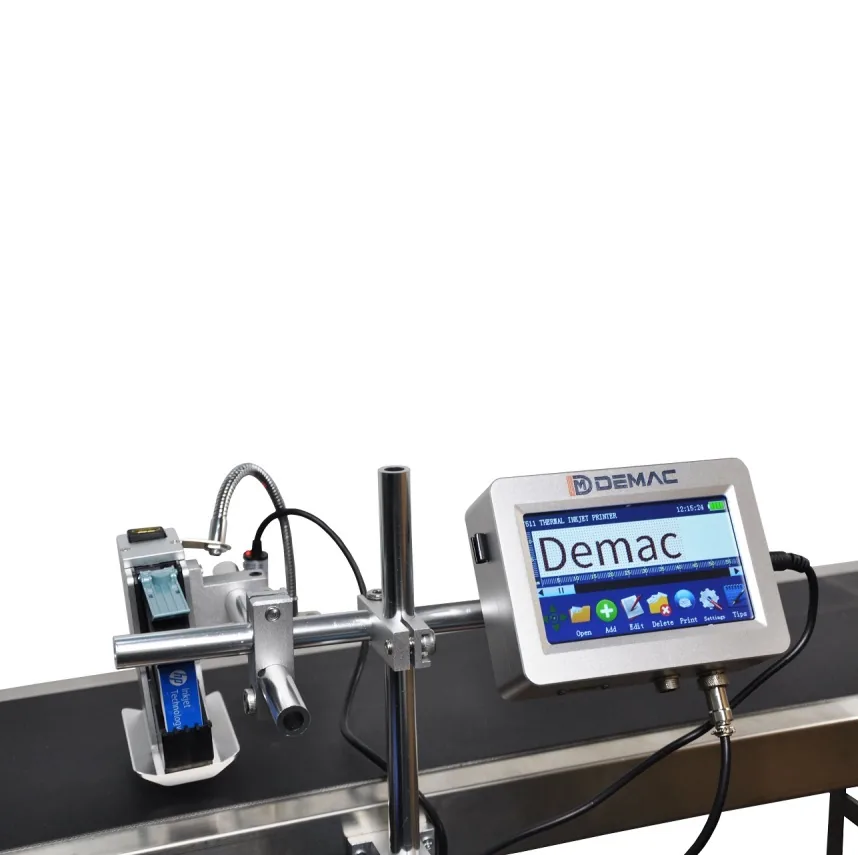
Clean cartridge-based inkjet printers for cartons, sleeves, labels, trays and porous or coated packaging where crisp text, QR codes and barcodes are required.
View details →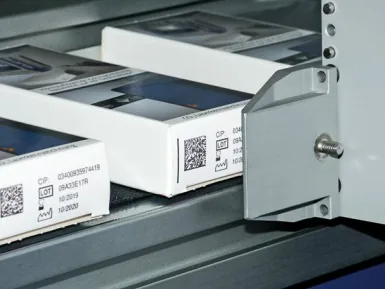
Industrial inkjet marking systems for outer cases, transit boxes and trays, replacing pre-printed cartons with flexible variable print.
View details →
Portable inkjet coders for low-volume date coding, batch marking and large item identification without installing a full conveyor system.
View details →