Pack details
Material, shape, print area, label or direct print, and whether the pack is dry or handled soon after coding.
Regular checks around printhead cleaning, ink condition, startup routines and print quality help avoid poor codes and downtime.
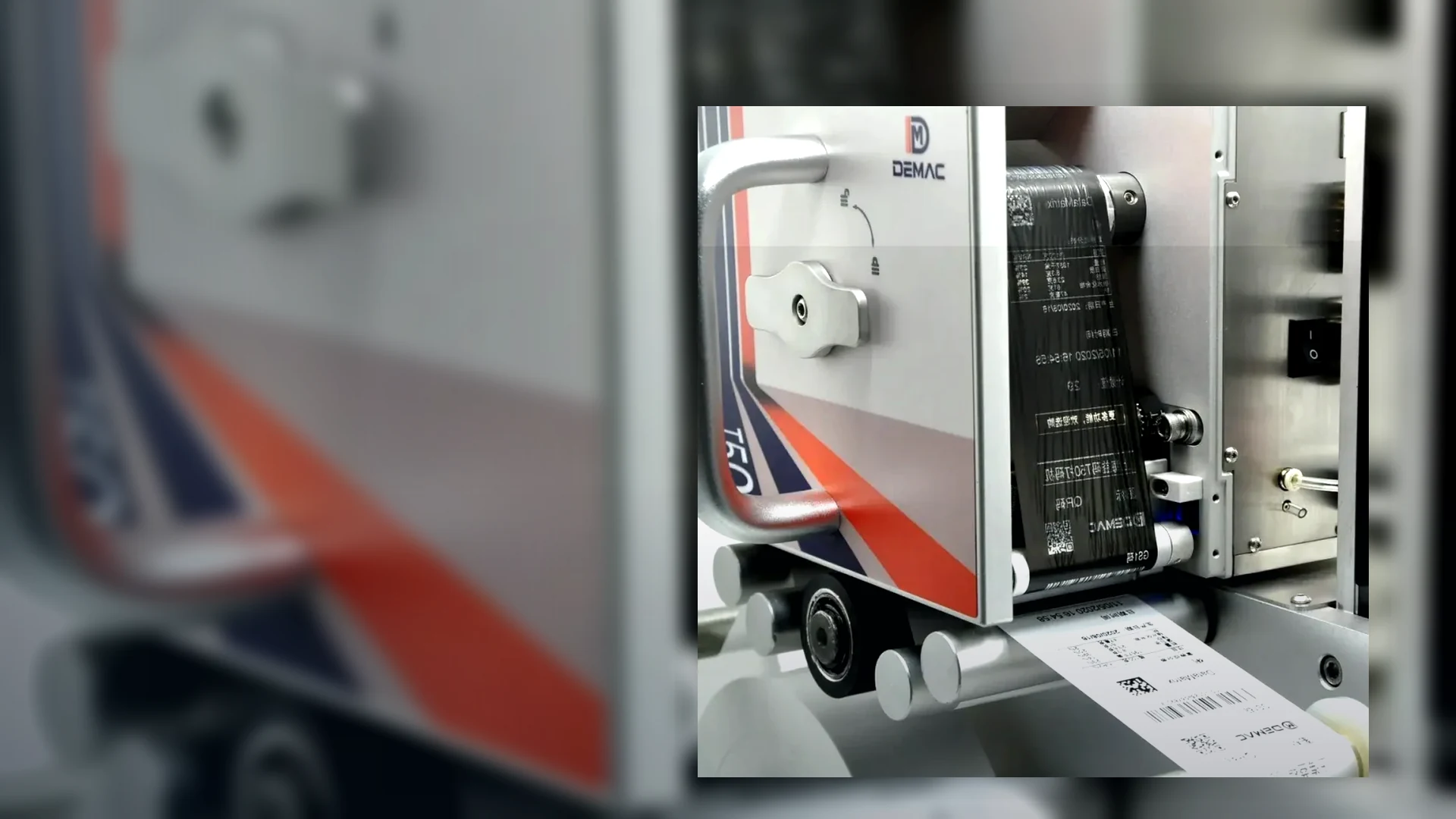
Practical CIJ printer maintenance checks for production teams using continuous inkjet date and batch coding.
The right recommendation depends on the material, print area, expected contrast, dry time, production speed and how operators will change messages. Lancing can look at your sample pack and advise whether CIJ, TIJ, large character or handheld inkjet is the best fit.
Date, batch, lot, expiry, serial number, barcode, QR code or simple product identification.
Plastic, glass, metal, carton, label, sleeve, pouch, tray, sack, case or coated packaging.
Speed, printhead position, product sensor, encoder, brackets, guards and operator access.
Send the pack type, code example, line speed and available space. We can suggest the best coding route before you commit to a machine.
These pages are written around real packaging problems: substrate, line speed, print position, operator changeover and traceability content.
Material, shape, print area, label or direct print, and whether the pack is dry or handled soon after coding.
Speed, product spacing, conveyor movement, guarding, operator access and available mounting space.
Number of lines, date format, batch or lot content, barcode or QR size and data source.
Compare machine types and related print requirements before requesting a recommendation.
Yes. The usual print content is a date, batch number, lot code, expiry date, barcode, QR code or production reference. The best technology depends on the pack surface and line speed.
Ink choice and print position matter. A sample pack check helps confirm contrast, adhesion and dry time before installation.
Most installations can be designed around an existing conveyor or machine using brackets, sensors, encoders and practical guarding access.
Share your product, code content, line speed and pack material for practical UK advice.
CIJ maintenance is model-specific. The supplier manual and quoted service plan take priority, but the site still needs a disciplined routine for inspection, fluids, cleaning and fault recording.
| Frequency | Typical site control | Boundary |
|---|---|---|
| Each start or shift | Check fluid levels, alarms, printhead condition, code position and first-off sample. | Follow the model's automatic start and cleaning procedure; do not improvise solvents. |
| During production | Monitor print quality, fluid warnings, leaks, ventilation and recurring faults. | Stop safely if the code or equipment condition is outside the approved standard. |
| Planned cleaning | Clean the printhead and surrounding area with approved materials at the specified interval. | Use only compatible cleaning fluid and prevent contamination of product or packaging. |
| Scheduled service | Replace filters, pumps, modules or wear parts according to the exact model and operating hours. | Use trained personnel and record parts, settings and tests. |
| After long idle | Follow the manufacturer's shutdown, storage and restart instructions. | Do not leave incompatible fluid or dried ink in the system. |
Store ink, make-up and cleaners within published temperature and shelf-life limits. Control part numbers so operators cannot substitute a visually similar but incompatible fluid.
Record date, product, ink, alarm, corrective action and lost time. Repeated nozzle, pressure or start-up problems should trigger root-cause review rather than repeated cleaning.
Hold parts according to failure effect, lead time and supplier recommendation. Include consumables, approved cleaning materials and any service module needed to protect production.
Operators can carry out trained visual checks, approved cleaning and replenishment. Internal fluid-system repair, electrical work, safety functions and software changes should remain within the competence and authorisation defined by the site and supplier. Use isolation and safe-working procedures.
Provide the printer model, ink, operating hours and fault history for service planning.
Discuss CIJ service support