Inkjet coding checklist before quotation
Use this checklist before requesting a quote so the recommended coder matches your packaging and line layout.
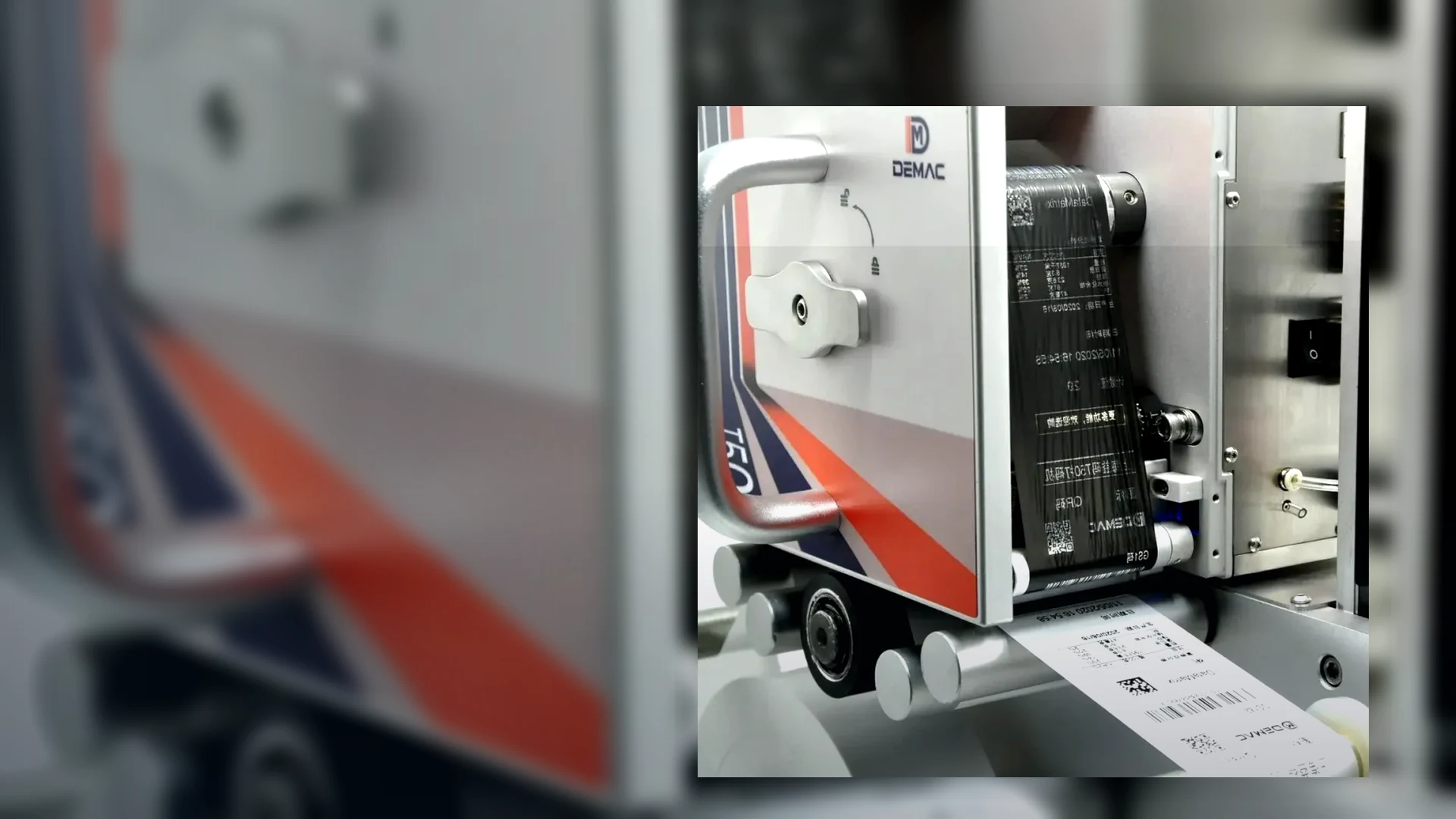
Key points to confirm
Substrate
Confirm whether the print surface is cardboard, plastic, glass, metal, film, foil, label stock, coated carton or a wet/oily/dusty surface.
Speed
Confirm conveyor speed or packs per minute. Include product pitch if the gaps vary or multiple lanes are involved.
Code
Send the exact code content, character height, number of lines and whether QR codes, barcodes or logos are required.
Location
Show where the code must be printed and how much space is available for the print head, stand, sensor and operator access.
Environment
Note washdown, dust, temperature, condensation, solvents, food environment requirements and cleaning procedures.
Integration
Confirm whether the coder needs a conveyor, encoder, reject system, line stop, data connection or guarding interface.
Send these details to Lancing and we can narrow the options quickly.
Send detailsInformation to include with an inkjet coder quotation
A complete brief allows suppliers to quote the same duty and reduces late changes during installation.
| Requirement group | Details to provide |
|---|---|
| Products and packs | Material, supplier, colour, coating, dimensions, weight, curvature, temperature, moisture, dust and print face. |
| Code content | Exact message, number of lines, smallest character, barcode or 2D type, logo, date rules, batch and serial fields. |
| Production duty | Products per minute, conveyor speed, pitch, operating hours, shifts, product range and changeover frequency. |
| Installation | Line direction, working height, available space, access, guards, utilities, cleaning and environmental conditions. |
| Controls and data | Photocell, encoder, PLC, I/O, network, ERP/MES, job selection, user permissions and clock source. |
| Inspection | Visual check, scanner, vision, formal verification, reject device, reject confirmation and records. |
| Acceptance | Samples, speed, dry time, rub test, code grade, FAT, SAT, training, documents and sign-off. |
| Ownership | Consumables, storage, SDS, routine tasks, service, spares, backups and expected annual duty. |
Attach pack photos, code artwork and a short line video to the completed requirement.
Send the coding specificationTurn the completed checklist into a comparable quotation brief
Mark each requirement as confirmed, estimated or awaiting a sample. Suppliers can then distinguish the production duty they are being asked to quote from assumptions still under review. Include a representative pack, the complete message and a photograph locating the proposed print position with the written checklist.
Ask each proposal to identify what is included around the printer: mounting, sensing, motion reference, data connection, inspection and commissioning. Keep unresolved items in one list with an owner and a decision date. This makes the quotation easier to assess without treating every available printer option as part of the supplied system.
- Scope comparison
- Compare like-for-like interfaces and installation work as well as the coder itself.
- Open questions
- Retain uncertain substrate, speed or data requirements explicitly until evidence resolves them.
What makes a checklist ready to send?
It is useful once the known requirements and unknowns are clearly distinguished and supported by packaging, code and line examples.