Sample and substrate testing
Inkjet code adhesion and rub testing
Approve the exact ink, pack and process combination using representative samples, controlled settings and handling checks that reflect production.
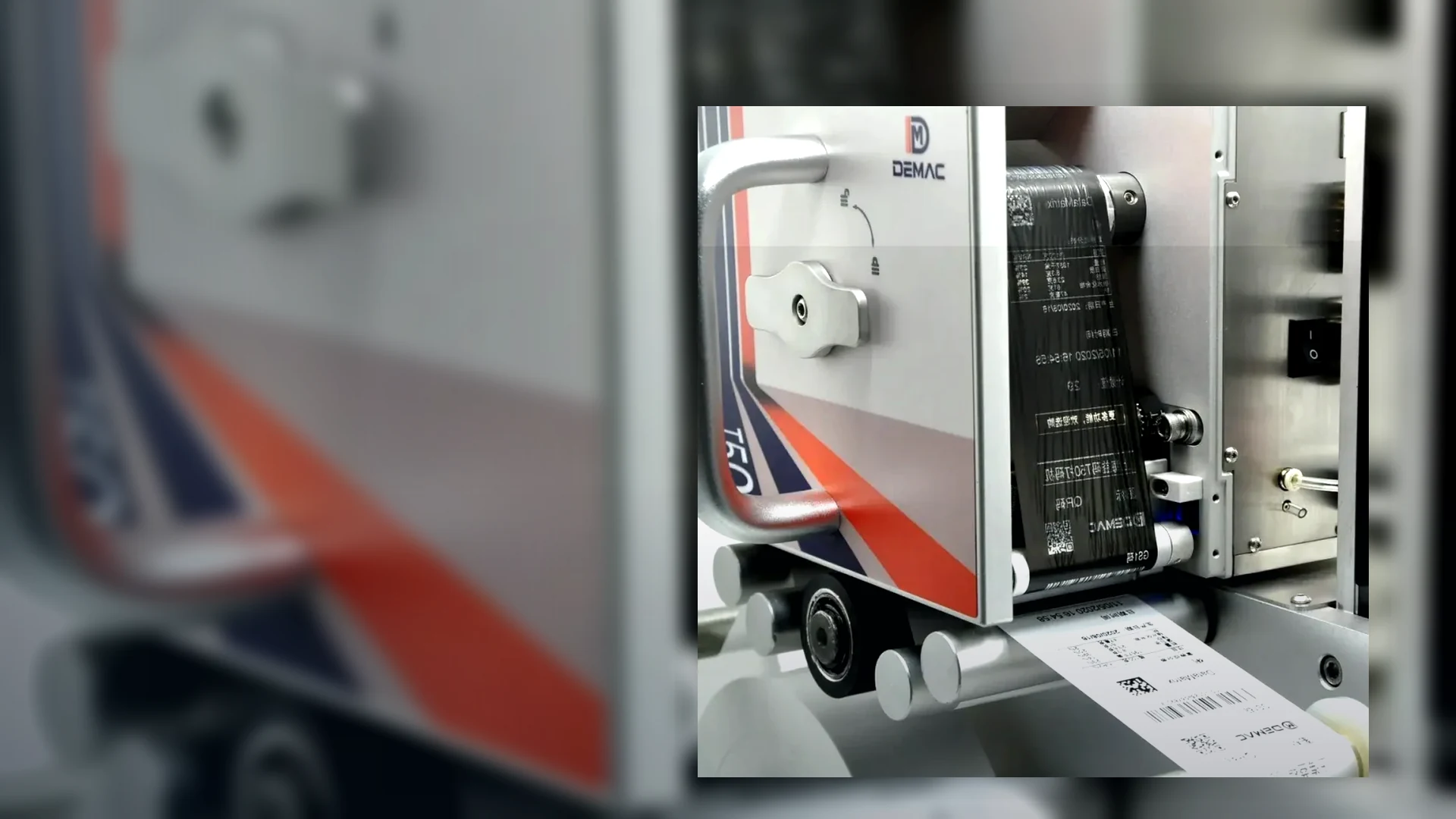
Approve the exact ink, pack and process combination using representative samples, controlled settings and handling checks that reflect production.
Plastic family names, glass, metal, film and board do not predict adhesion on their own. Coatings, surface treatment, release agents, recycled content, oil, dust, condensation and temperature can change how ink wets and dries. Samples should come from current production suppliers and include the least favourable approved condition.
Record material, supplier, grade, colour, coating, batch and whether the surface has been filled, chilled, washed or handled.
Record printer, head, ink or cartridge, message, resolution, speed, throw distance, orientation and environmental conditions.
Agree the drying time, visual quality, rub method, chemical or water exposure and any scanner or verifier requirement.
Bring packs to the normal printing temperature and include cold, damp or dusty samples where those conditions occur.
Use the smallest characters and machine-readable codes intended for production, not a simple demonstration word.
Check at agreed intervals before the code meets guides, belts, labels, sleeves, cartons or operator handling.
Define material, load, strokes and direction so results can be compared rather than judged by an unrecorded finger wipe.
Where relevant, test water, condensation, oil, cleaning chemical, heat, chilling, abrasion or transport handling.
Record images, pass/fail result, settings and retained samples linked to the approved consumable and pack.
| Observed problem | Variables to investigate |
|---|---|
| Ink beads or pulls away | Surface energy, contamination, coating, wrong ink chemistry or excessive print distance. |
| Code wipes before packing | Dry time, line speed, contact point, ink deposit, temperature and airflow. |
| Code rubs off later | Ink/substrate bond, abrasion, cleaning exposure, pack flexing and downstream friction. |
| Code varies across suppliers | Material construction, coating, treatment, colour and storage differences. |
| Readable text but poor barcode | Module size, edge definition, contrast, distortion, quiet zone and verification grade. |
| Good bench sample, poor line result | Product movement, throw distance, condensation, dust, speed and contact after print. |
Repeat or review the test when the packaging supplier, material, coating, ink, cartridge, printer settings, code size, production speed or environmental condition changes. Keep the approved record with the production specification.
Send production-grade samples and the full handling conditions for a controlled trial.
Arrange a sample coding reviewA code may look clear immediately after printing yet perform differently during handling or storage. Specify the pack surface, production conditions and required durability. Trial the actual code on representative material and check readability and adhesion at the points that matter in your process, alongside the data-change procedure.
Related guidance: Inkjet code smudging · Thermal inkjet printers