Lancing continuous inkjet model

Lancing LU-TIP15 continuous inkjet date and batch coder

A high-speed non-contact CIJ reference model for applying dates, batches, lots and variable traceability data to moving products and packaging.

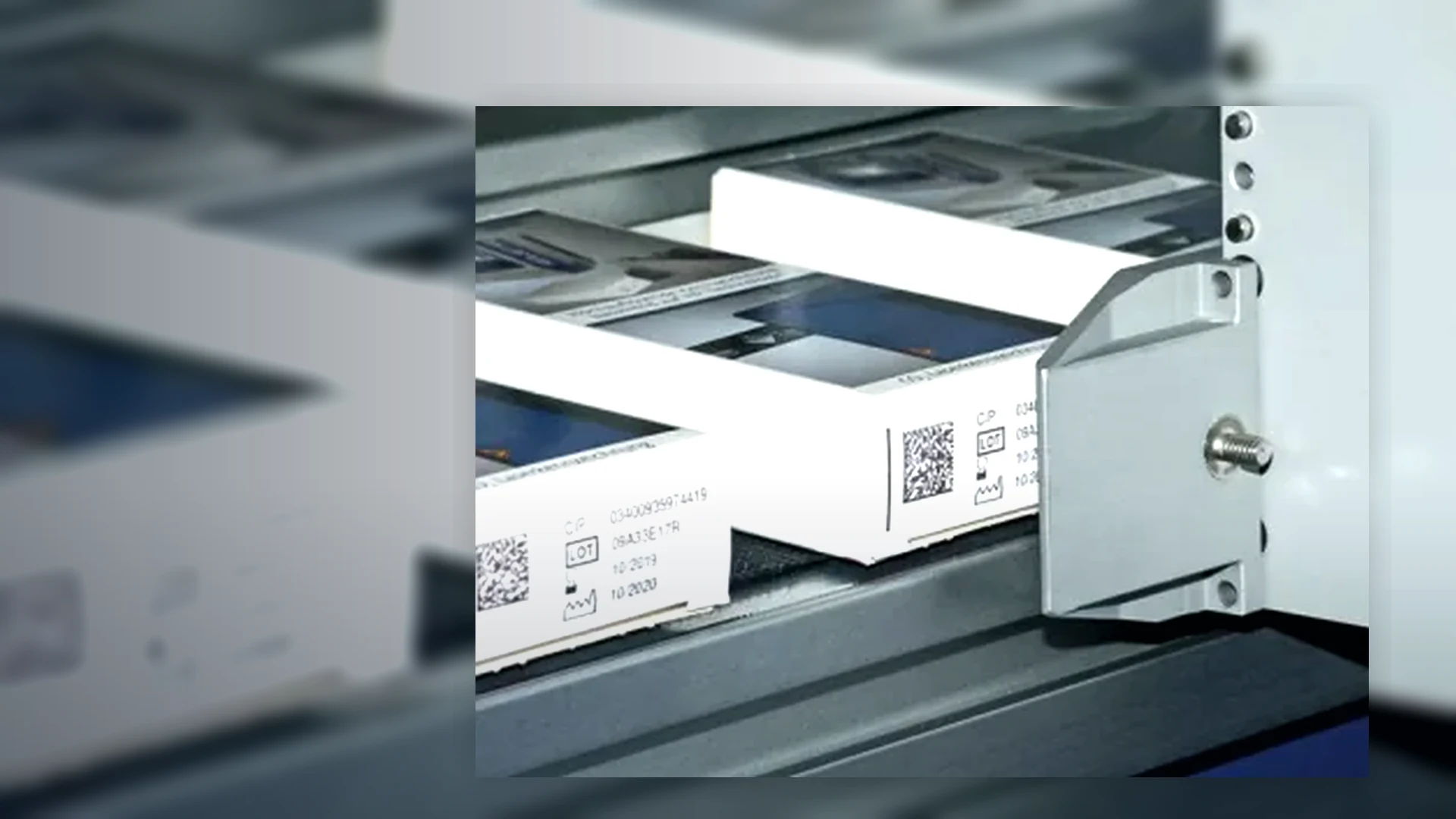
Representative industrial continuous inkjet coding system installed on a production line
Verified reference configuration

What the LU-TIP15 is designed to do

The LU-TIP15 is a line-integrated continuous inkjet reference configuration for small-character variable coding where the product moves past a non-contact printhead. Lancing has specified the model for bottle-line applications, with final suitability controlled by the code, substrate, ink and product presentation.

  • Date, time, batch, serial and lot identification on production lines.
  • Barcode, QR code, logo and variable-text printing where the approved message and matrix support it.
  • Coding onto bottles, labels, crown caps or secondary packaging after application trials.
  • Integration with product detection, speed compensation and line enable or fault interfaces.
Check this model against your application
TechnologyContinuous inkjet, non-contact inline printing
Character heightApproximately 1.8–15 mm
Reference maximum speedApproximately 285 m/min, application-dependent
Reference print distanceUp to 30 mm from printhead to product
Printing rows1–4 rows at 5 × 7 dot; 1–5 rows at 5 × 5 dot
Electrical supply200–240 V AC, 50/60 Hz; approximately 220 W

Specification basis: current Lancing quotation and application data. Approximate and reference figures are configuration-dependent and must be confirmed in the written quotation and sample trial.

Technical reference

LU-TIP15 reference specification

Use the table to prepare a technically comparable enquiry. The final machine, printhead, ink, mounting and controls are confirmed for the actual product and line.

FunctionInline printing of date, time, batch, serial, lot, barcode, QR code, logo, variable data and text.
Voltage200–240 V AC, 50/60 Hz.
PowerApproximately 220 W.
Printing rows1–4 rows at 5 × 7 dot; 1–5 rows at 5 × 5 dot.
Dot matrices5 × 5, 5 × 7, 7 × 9, 10 × 12, 12 × 16, 18 × 24 and 24 × 32.
Reference maximum speedApproximately 285 m/min. The accepted line speed depends on character matrix, message length, ink, substrate, product handling and trigger arrangement.
Character heightApproximately 1.8–15 mm.
Reference print distanceUp to 30 mm between printhead and object, subject to the approved message and application trial.
Machine size / weightApproximately 370 × 310 × 510 mm / approximately 23 kg.
LanguagesEnglish and Arabic character support has been specified, subject to approved font and message testing.
IntegrationEncoder, product sensor, guarded printhead mount and PLC line enable/fault interface can be included in the configured line scope.
Ink and acceptanceBlack is a standard starting colour. Adhesion, contrast, chemical resistance, code legibility and trigger position must be tested on the selected substrate.
Application approval

How to confirm LU-TIP15 suitability

Match speed to the actual message

The 285 m/min figure is a reference print-system capability, not a promise that every code will print at that speed. The accepted speed has to be proved using the final matrix, character height, line count, ink and product pitch.

Control product presentation

The printhead can operate at a greater stand-off than cartridge systems, but bottle movement, vibration, curvature and trigger repeatability still affect position and character shape. Guides and sensor location should be agreed from the line video and samples.

Approve ink on production packs

Bottle resin, label coating, condensation, filling residue and downstream handling can change drying and rub resistance. Lancing should receive clean and worst-case samples for an adhesion and legibility trial.

Send representative packs and the longest production message.
Include the line speed, product pitch, coding position, environment, inspection requirement and a short line video.

Arrange an application review
Buyer questions

Questions buyers ask about LU-TIP15

Is the LU-TIP15 a CIJ or TIJ coder?

The LU-TIP15 is specified as an online continuous inkjet coder. It is intended for non-contact small-character coding on moving products, rather than cartridge-based high-resolution printing close to a flat pack.

Can the LU-TIP15 print QR codes and barcodes?

The quoted function includes barcode and QR-code content. The exact symbology, module size, print matrix, line speed and reader result must be confirmed with the selected software, ink and substrate.

Can the LU-TIP15 code curved bottles?

Curved bottle coding is a relevant CIJ application because the printhead does not touch the container and the reference stand-off is up to 30 mm. Bottle stability, code position and ink adhesion still require sample and line trials.

What should be supplied for a LU-TIP15 quotation?

Provide the bottle or pack samples, substrate details, code artwork, longest message, character height, line speed, product pitch, coding position, line video, environmental conditions and required PLC or inspection interfaces.

Related guidance

Continue the LU-TIP15 specification

For a written model recommendation, provide the product, pack, code, output and installation details.

Request a coding quotation
Get Quote