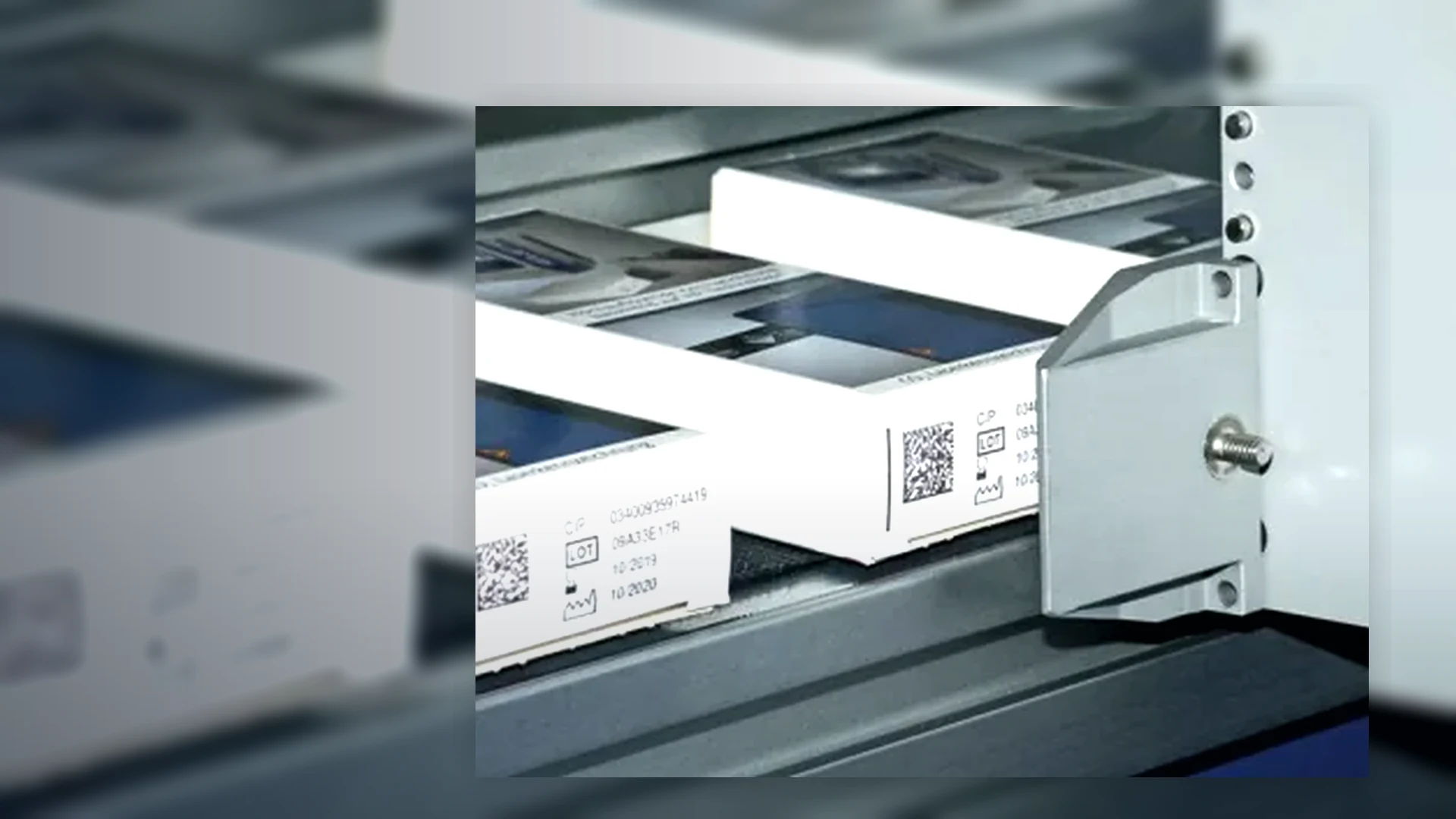
Continuous inkjet (CIJ)
LU-TIP15 continuous inkjet coder
A high-speed non-contact CIJ reference model for applying dates, batches, lots and variable traceability data to moving products and packaging.
View verified reference →Compare current Lancing CIJ, TIJ, inline and handheld reference configurations before the final machine, ink, printhead and integration scope are confirmed.
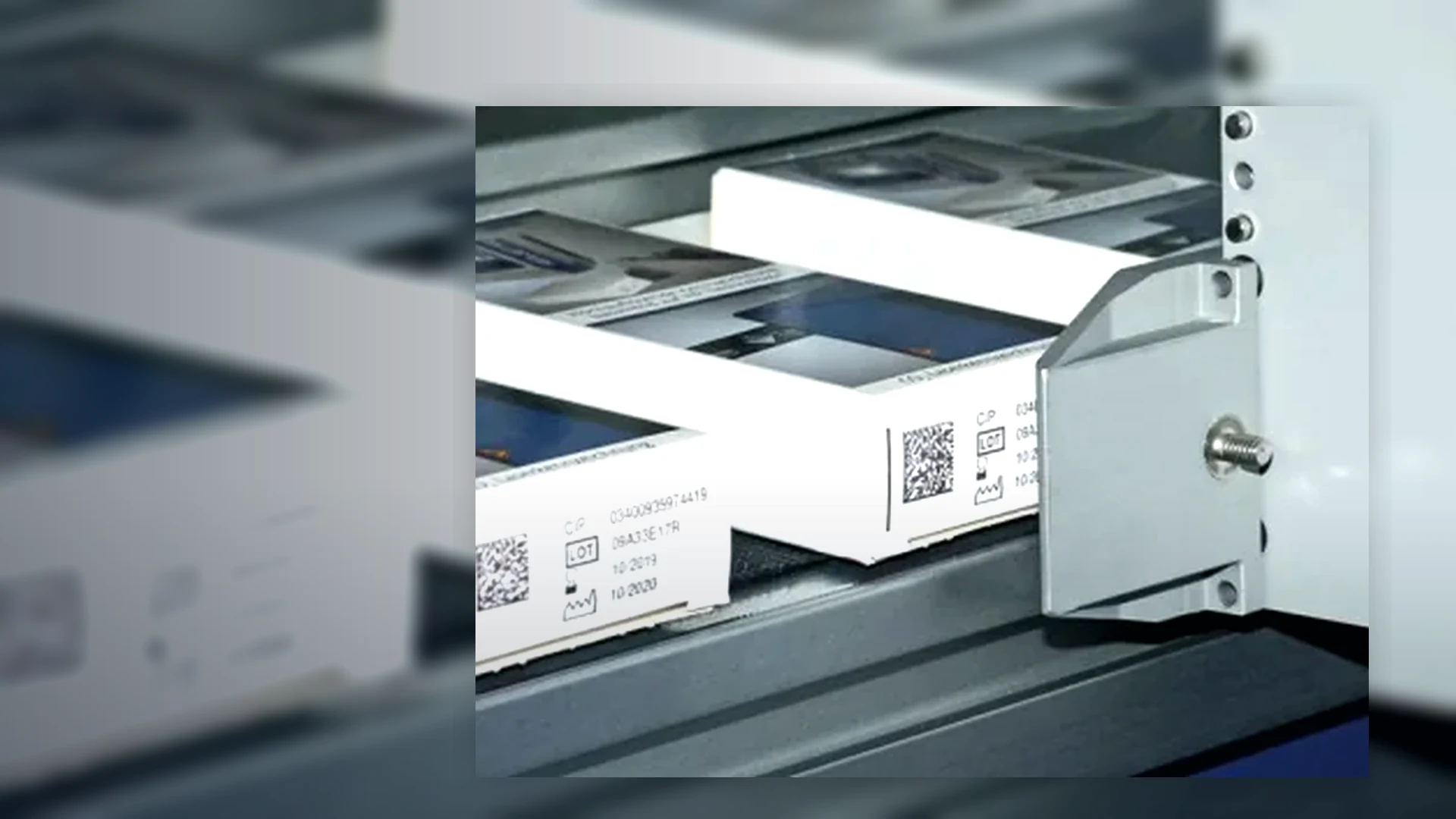
These pages publish current first-party reference data rather than generic model names. Final suitability still depends on the actual substrate, message, production rate, environment, controls and sample result.
A high-speed non-contact CIJ reference model for applying dates, batches, lots and variable traceability data to moving products and packaging.
View verified reference →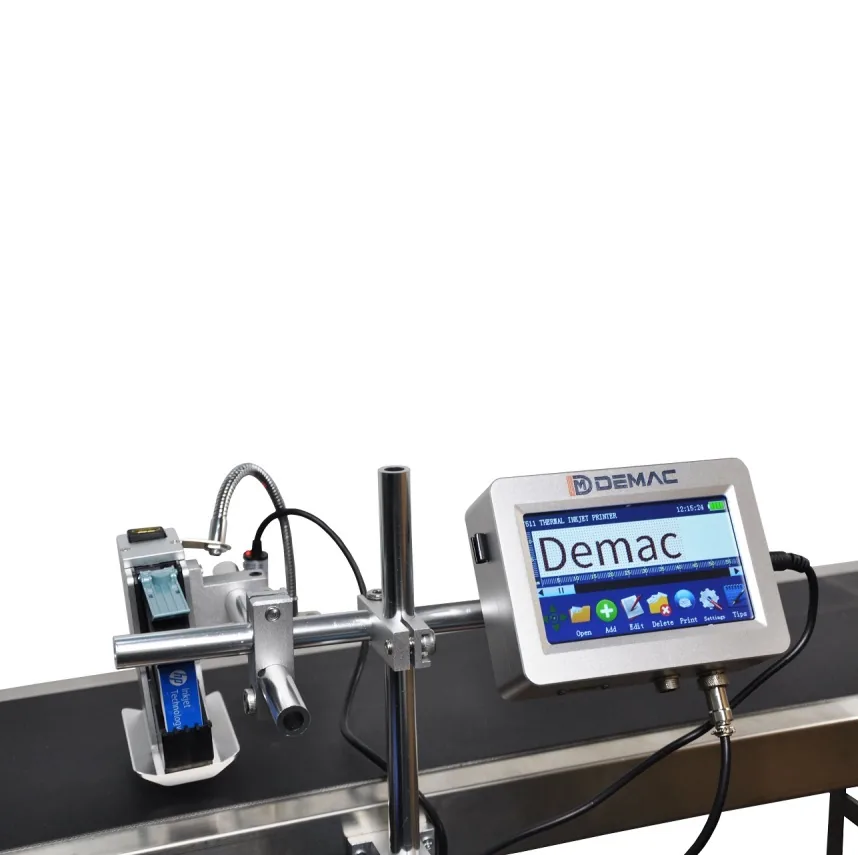
A compact thermal inkjet coding system with touchscreen controller, printhead, sensor, adjustable mount and integrated conveyor.
View verified reference →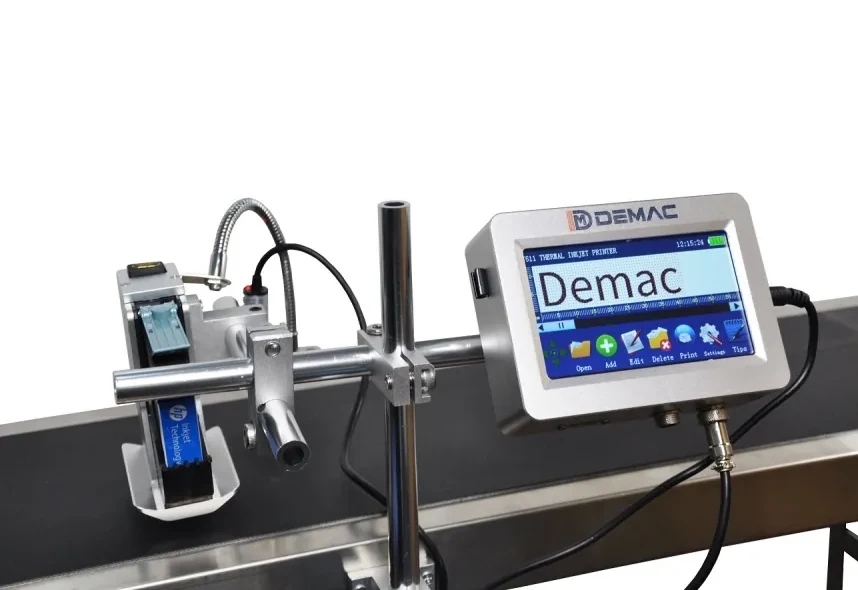
A sensor-triggered thermal inkjet system designed to add variable batch and date coding to an existing conveyor or labelling line.
View verified reference →
A rechargeable portable coder for short runs, varied pack formats, rework and manual coding where a fixed production line is not justified.
View verified reference →A configurable inline cartridge-inkjet system for variable text, dates, images, barcodes and QR codes on suitable bottles, labels and cartons.
View verified reference →Reference speeds and print heights are not directly interchangeable. Use them to shortlist the correct architecture, then obtain a written application-specific configuration.
| Model | Technology / format | Reference print height | Reference speed or output |
|---|---|---|---|
| LU-TIP15 | Continuous inkjet (CIJ) | Approximately 1.8–15 mm | Approximately 285 m/min, application-dependent |
| LU-DC127 | Thermal inkjet (TIJ) with integrated conveyor | Approximately 2–12.7 mm | Approximately 5–20 products/min, product-dependent |
| LU-IIP600-B | Bolt-on thermal inkjet (TIJ) | Approximately 2–12.7 mm per printhead | Application-dependent |
| LU-DC1S | Handheld cartridge inkjet | Approximately 2–12.7 mm | Application-dependent |
| LU-IIP550 | Configurable inline cartridge inkjet | Approximately 2–152.4 mm, configuration-dependent | Up to approximately 120 m/min print-system capability |
Provide the longest message, print height, barcode or 2D standard, substrate, coating, colour, curvature and intended position. A code that fits one surface can fail on another because of gap, contrast or drying.
State whether the pack is moved by hand, an existing conveyor or a new coding conveyor. Include minimum and maximum speed, pitch, guide method, stop-start behaviour and available installation space.
Confirm who creates the message, whether data comes from a PLC, database, ERP or MES, how the code is checked and what happens when print or verification fails.
Send representative production samples, not only drawings.
Lancing can use the real pack and code to confirm model, ink, mounting, controls and acceptance criteria.
No. A reference speed describes a configured printer or conveyor under defined conditions. The accepted production rate depends on the final message, resolution, head arrangement, substrate, product pitch, trigger, inspection method and handling.
The model specification cannot prove ink adhesion, drying, code contrast, print gap, curvature tracking or barcode readability on an untested pack. A controlled sample trial connects the model data to the actual application.
Yes, where the model family supports alternative heads, mounting, conveyors, sensors, encoders, software or interfaces. The written quotation takes precedence over the reference page and records the approved application-specific scope.
Provide pack samples, material and coating, code artwork, maximum message, line speed, product pitch, available space, utilities, environment, data source, inspection requirement and a short video of the current process.
Once the model route is shortlisted, define who will operate it, which approved consumables and critical spares apply, and how the installation record will support servicing or a later upgrade.