Human-readable text
Date, batch, shift and fixed text can share one message when the total height and required legibility fit the selected head.
Multiple text lines, a taller print area, several product lanes and coding different pack faces are separate requirements that may need different head and control arrangements.
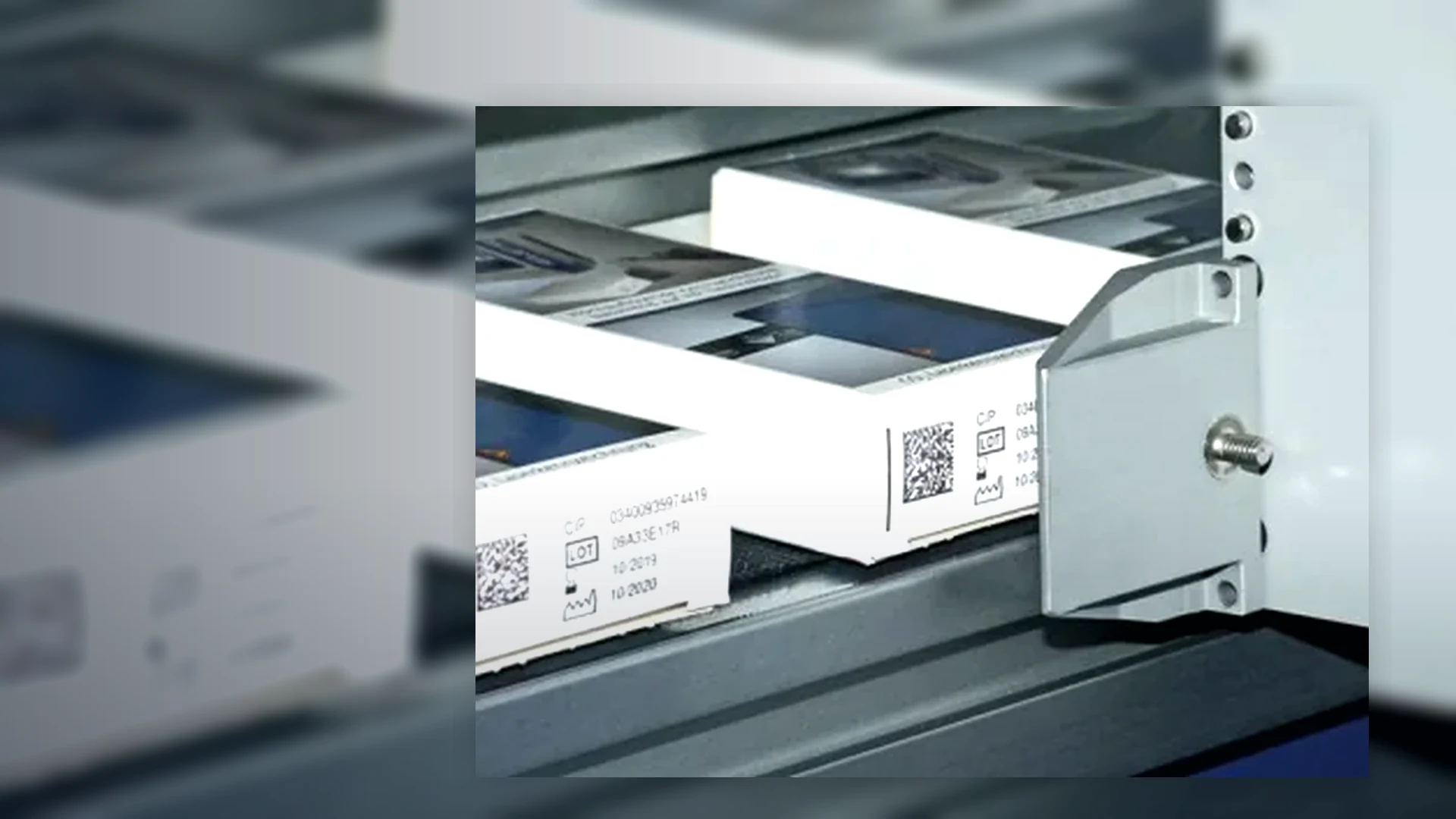
Multiple print lines are rows of text or code within one print area; multiple lanes are separate streams of products or film positions that may need independent triggering and data. A printer capable of several text lines does not automatically cover several conveyor lanes. The required print height, head count, controller capacity, cable reach, sensor logic and message source must be confirmed together.
Also separate simultaneous printing on different sides of one case from multiple products across a web. Each arrangement creates different mechanical and controls requirements.
One head may be sufficient when all lines fit inside its verified print-height and resolution envelope at the required speed. The smallest character, total vertical height, line spacing, boldness, barcode size and available print time must all be included. Adding lines can reduce the speed or resolution available on some models.
Date, batch, shift and fixed text can share one message when the total height and required legibility fit the selected head.
Machine-readable symbols need controlled module or cell size, quiet zones and edge definition. A small symbol may be more demanding than several text rows.
Graphics increase ink coverage and data load. Use the final artwork and intended speed when checking controller and consumable capacity.
| Requirement | Possible arrangement | Key check |
|---|---|---|
| Taller message on one flat panel | Stacked or stitched heads where the controller supports alignment. | Vertical registration, overlap, common resolution and pack stability. |
| Opposite sides of a case | Separate heads positioned on each side, often sharing a controller. | Case tracking, orientation, cable reach and simultaneous data update. |
| Several lanes on one conveyor | Lane-specific heads and sensors, or a controlled traverse if the process allows it. | Independent product timing, message ownership and lane fault isolation. |
| Multi-lane film web | One head per lane or an engineered bank of heads across the web. | Web registration, print window, head spacing, data mapping and host-machine speed. |
| Top and side of a product | Heads at different orientations with coordinated triggering. | Which event owns the product record and how both prints are confirmed. |
First decide whether all lanes print the same data at the same time or whether each lane has an independent product record. A common date code is simpler than lane-specific serialisation. The controller must receive the correct job, know which trigger belongs to which head and respond safely if one lane or head is not ready.
Available speed can depend on printed height, horizontal resolution, head count, message complexity and interface throughput. Compare the exact message at the intended line speed rather than relying on a maximum speed quoted for a smaller code.
Prove every lane, fastest and slowest speed, minimum product gap, job change, start/stop, missing product, head fault, data update and recovery. For serialised output, challenge duplicate and out-of-sequence records.
Provide lane count and spacing, web or conveyor width, product pitch by lane, print position, message for each lane, common or independent data rules, speed range, available mounting space, sensor signals and required response when one lane fails.
Send the lane layout, message map and machine cycle.
Lancing can determine whether one controller, several heads or another coding method should be assessed.