Print position and quality
Control print gap, drying, adhesion and code position on the finished pack.
Printhead distance →Ink drying time →
Code position →
Use this question library to define the pack, print, line, environment and acceptance evidence before choosing an industrial inkjet coder.
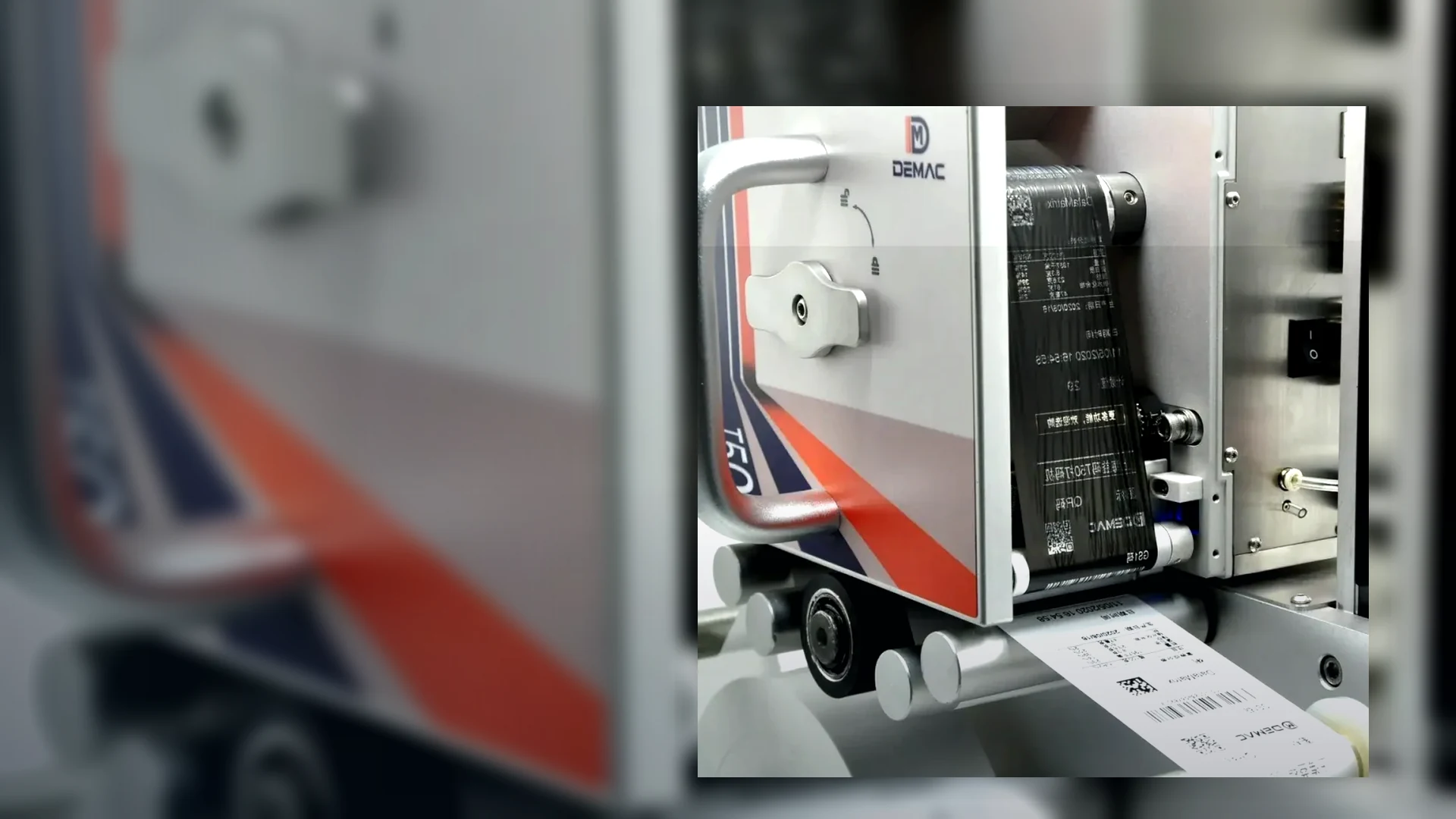
The most useful inkjet-coding answer connects the printer to a specific product, substrate, code, speed, environment and line-control requirement. The pages below give answer-first guidance, then explain the variables and evidence that prevent a misleading one-size-fits-all recommendation.
Control print gap, drying, adhesion and code position on the finished pack.
Printhead distance →Prepare representative samples, final messages and measurable acceptance criteria.
Sample trial guide →Define triggering, speed tracking, multiple heads, lane data and failure response.
Photocells and encoders →Compare ingress protection, CIJ fluids, servicing and total ownership.
IP rating and washdown →Start with the surface and production movement, then check the print, environment and ownership requirements.
Review curvature, condensation, code position, product sensing and format change.
Bottle coding questions →Review the film web, formed pack, seals, gussets, registration and ink transfer.
Pouch and film questions →Compare TIJ, large-character direct print and print-and-apply requirements.
Carton coding questions →Send the product or pack, print position, exact message, speed range, operating environment, changeover range, available line signals and the acceptance method. Photographs, a short production video and representative samples reduce assumptions.
Describe the pack, code and line condition that makes the question important.
Ask Lancing about your applicationUse the dedicated resources when the buyer task concerns who should operate the coder, which ink or spare is correct, or how to upgrade an existing installation without losing proven interfaces.