Technology comparison
CIJ vs laser coding for packaging lines
Choose between continuous inkjet and laser from the real material, code, environment and ownership requirements rather than one headline feature.
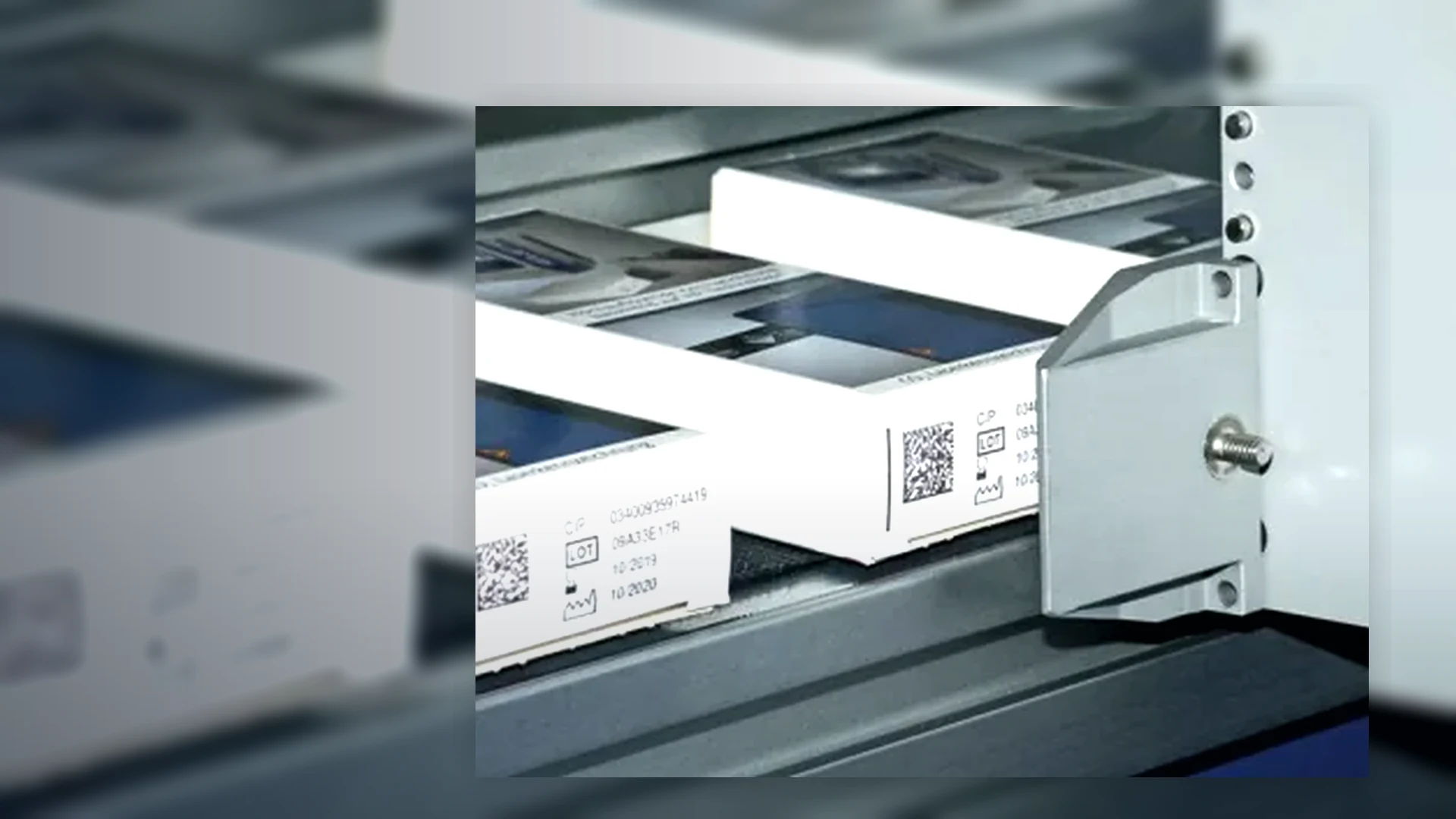
Choose between continuous inkjet and laser from the real material, code, environment and ownership requirements rather than one headline feature.
CIJ places small droplets of selected ink onto a moving product without contact. Laser coding uses focused energy to create contrast by removing, changing or reacting with part of the surface. The better route depends on whether the actual material can produce an acceptable mark, how the line is guarded, the code content and how often products change.
| Decision factor | Continuous inkjet | Laser coding |
|---|---|---|
| Mark formation | Ink is deposited onto the surface. | The substrate or coating is modified by the laser process. |
| Material range | Can cover varied materials through ink selection, subject to adhesion trials. | Highly material- and colour-dependent; the exact pack must be tested. |
| Consumables | Ink and, on many systems, make-up fluid plus cleaning materials. | No marking ink, but extraction filters and service items may be required. |
| Product change | Message changes are normally electronic; ink suitability must remain valid. | Message changes are electronic; focus, field and material response must remain valid. |
| Safety engineering | Fluid handling, ventilation and SDS/COSHH assessment may be required. | Guarding, interlocks, enclosure and fume extraction must be engineered for the application. |
| Mark durability | Depends on ink, surface preparation, dry time and later handling. | Can be durable where the material forms a stable mark, but must be proven after handling. |
CIJ still requires a representative adhesion test, a defined fluid and cleaning routine and a clear recovery procedure after stops.
Laser suitability cannot be assumed from a material name alone. Coating, colour, thickness, additives and product presentation can change the result.
Use the same production-grade packs, message, code position and line conditions for both technologies. Include the least favourable material colour, maximum speed, shortest product pitch and normal downstream handling.
Agree legibility, contrast, position, durability and any barcode or 2D-code method before the test. Inspect after filling, cooling, washing, packing or transport simulation where relevant.
Challenge starts, stops, speed changes, product gaps, encoder loss, wrong job selection and printer-not-ready states. Confirm line-stop or reject action.
Compare fluids, filters, extraction, cleaning, service, operator tasks, changeover and expected downtime using the same annual duty.
The selected equipment must be included in the site's machinery, chemical and workplace risk assessments. For CIJ, obtain current safety data sheets for the proposed ink and make-up fluid. For laser, confirm the enclosure, interlocks, extraction, exhaust route and material emissions with competent specialists.
Material construction, colour, coating, thickness, curvature, print location and any contamination, condensation or cleaning exposure.
Full message, character or symbol size, line speed, pitch, operating hours, changeovers and how the code will be inspected.
Available space, guarding, extraction route, ventilation, temperature, washdown, utilities, operator access and maintenance capability.
Send representative packs and the real production duty for a technology review.
Compare CIJ and alternative marking