Pack details
Material, shape, print area, label or direct print, and whether the pack is dry or handled soon after coding.
Plastic packaging needs the right ink chemistry and enough dry time so small text, barcodes and QR codes remain readable.
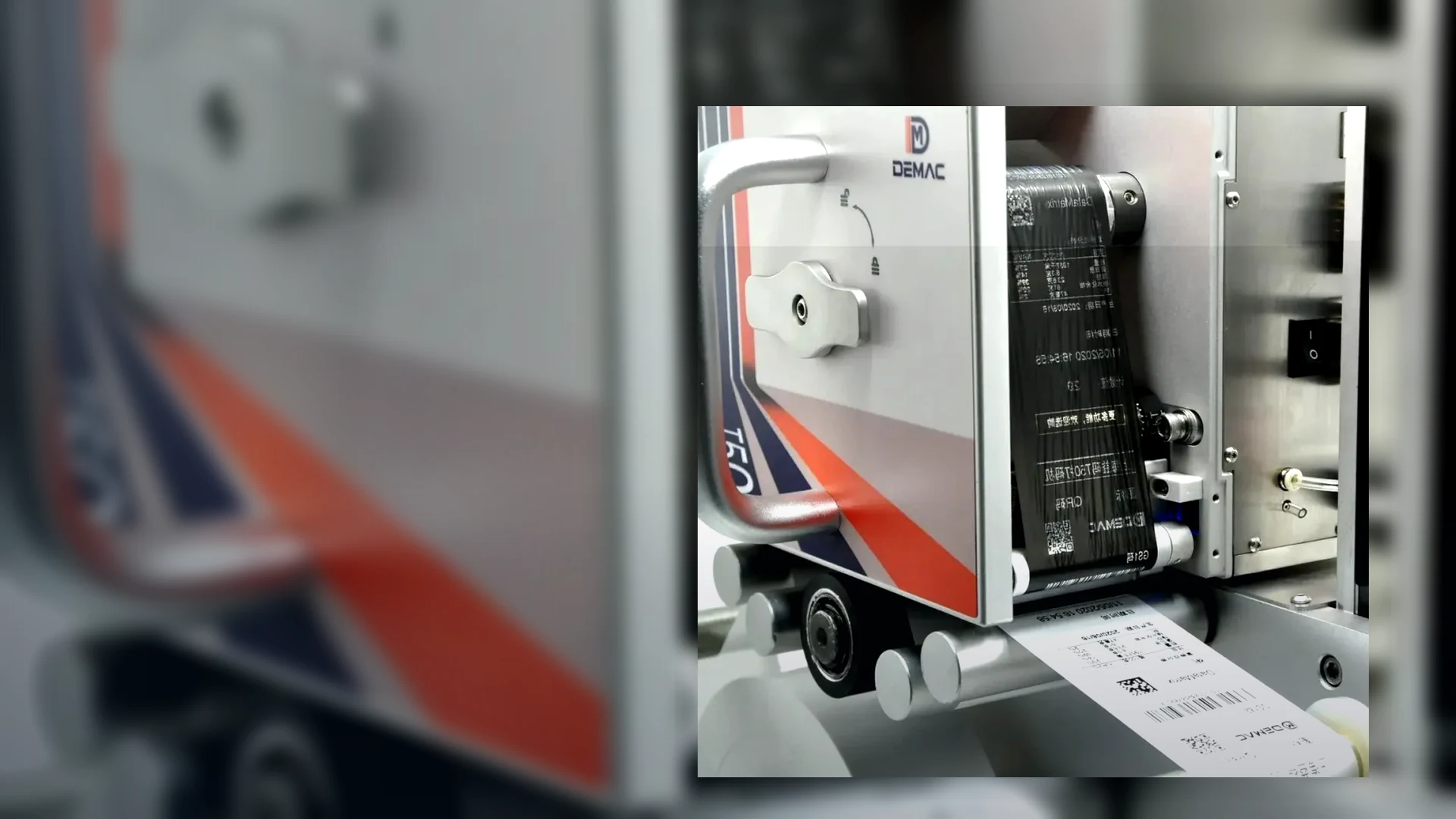
Guide to thermal inkjet ink selection for plastic packaging, labels, films and coated cartons.
The right recommendation depends on the material, print area, expected contrast, dry time, production speed and how operators will change messages. Lancing can look at your sample pack and advise whether CIJ, TIJ, large character or handheld inkjet is the best fit.
Date, batch, lot, expiry, serial number, barcode, QR code or simple product identification.
Plastic, glass, metal, carton, label, sleeve, pouch, tray, sack, case or coated packaging.
Speed, printhead position, product sensor, encoder, brackets, guards and operator access.
Send the pack type, code example, line speed and available space. We can suggest the best coding route before you commit to a machine.
These pages are written around real packaging problems: substrate, line speed, print position, operator changeover and traceability content.
Material, shape, print area, label or direct print, and whether the pack is dry or handled soon after coding.
Speed, product spacing, conveyor movement, guarding, operator access and available mounting space.
Number of lines, date format, batch or lot content, barcode or QR size and data source.
Compare machine types and related print requirements before requesting a recommendation.
Yes. The usual print content is a date, batch number, lot code, expiry date, barcode, QR code or production reference. The best technology depends on the pack surface and line speed.
Ink choice and print position matter. A sample pack check helps confirm contrast, adhesion and dry time before installation.
Most installations can be designed around an existing conveyor or machine using brackets, sensors, encoders and practical guarding access.
Share your product, code content, line speed and pack material for practical UK advice.
Treat a successful sample as a result for a defined substrate and ink combination. Record the pack supplier, material description, surface finish and printed area together with the ink reference used in the assessment. This gives purchasing and production a useful reference if packaging or consumables later change.
Use the conditions the mark will meet after printing. Agree when it is checked, what handling exposure matters and which result is acceptable. Include any label or coating on the print face rather than assuming that the underlying plastic description alone represents the surface being marked.
It helps frame the enquiry, but the actual surface and required performance still need assessment using representative packaging.