Continuous inkjet question

What is make-up fluid in a CIJ printer?

Make-up fluid is the model-approved fluid used by many continuous inkjet systems to replace solvent lost from the circulating ink and keep the operating mixture within control.

Continuous inkjet printer used for industrial date and batch coding
Direct answer

What does make-up fluid do in continuous inkjet printing?

In many CIJ printers, make-up fluid replaces volatile carrier lost from the recirculating ink so the printer can keep the fluid properties inside its operating range. Ink droplets that are not used for the code are returned to the system, but solvent can evaporate during circulation, start-up, shutdown and normal operation. The printer monitors or controls the mixture using the method designed for that model.

Make-up fluid is not simply extra ink and it is not a generic thinner. The approved ink and make-up pair are part of the printer's fluid system, print quality, drying behaviour and safety documentation.
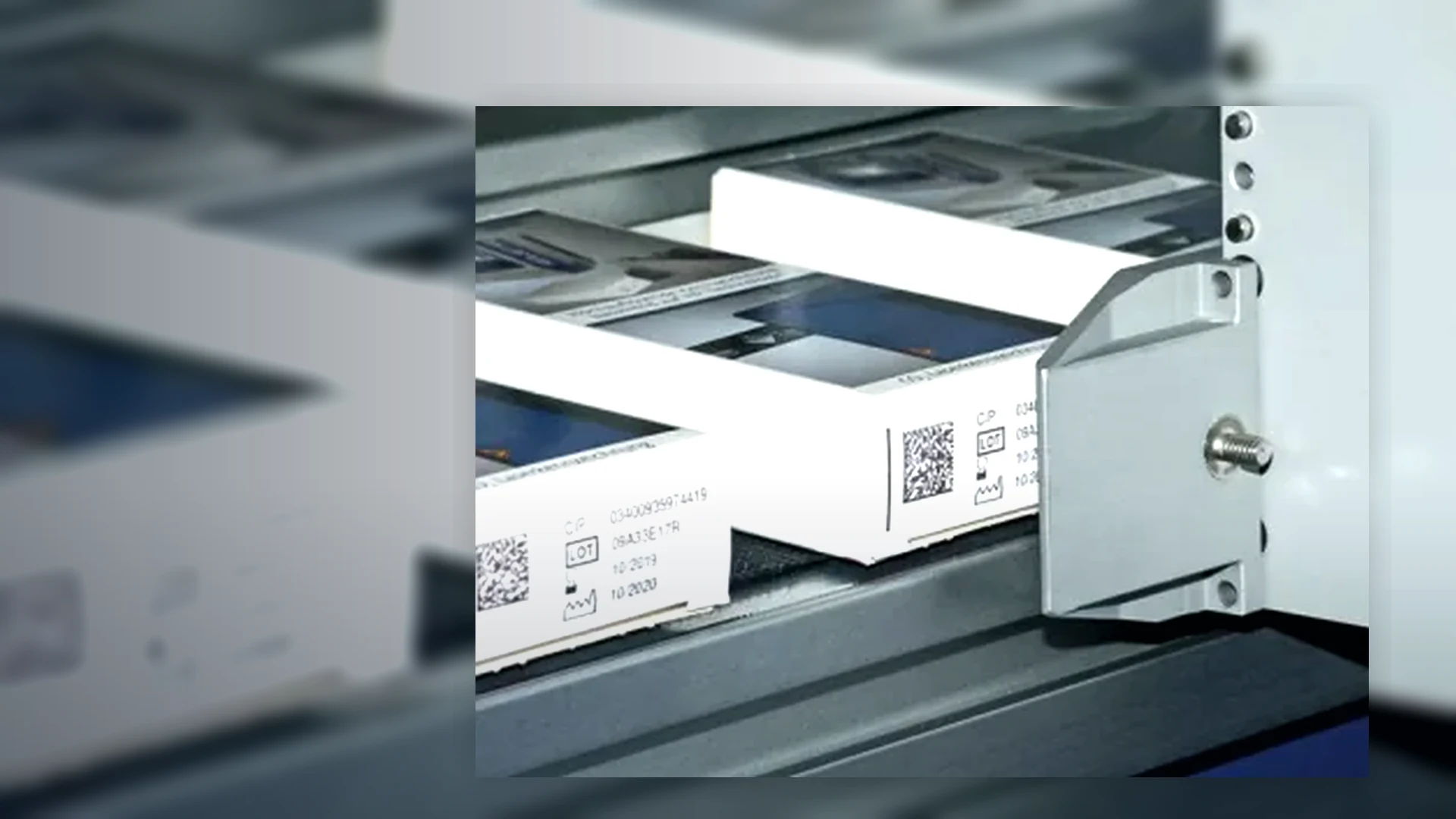
Ink and make-up have different jobs

What is the difference between CIJ ink and make-up fluid?

Ink supplies the printed colour and functional chemistry

The ink formulation provides colourant and other components needed for adhesion, contrast, drying, removability or specialist performance. The exact formulation must be approved for the printer and application.

Make-up fluid maintains the circulating mixture

Make-up fluid primarily replaces volatile carrier lost from the system. It should not be substituted, mixed across families or added by guesswork. Use only the reference specified for the installed printer and ink.

Consumption variables

What affects CIJ make-up fluid consumption?

Consumption is not determined by the number of printed characters alone. It can change with operating hours, ambient temperature, ventilation, start-stop frequency, automatic cleaning cycles, cabinet design, nozzle condition and how long the printer remains in a ready state. Compare quotations using the same duty and ask how any estimate was derived.

FactorWhy it changes fluid useWhat to record
Operating and ready hoursSolvent loss can continue while the fluid system is circulating, not only while characters are printed.Production hours, ready time, shifts and planned shutdown periods.
Ambient conditionsTemperature, airflow and ventilation can change evaporation.Normal and worst-case temperature, draughts and extraction near the printer.
Start-up and shutdownCleaning or stabilisation routines may use fluid and differ by model.Starts per day, weekend stops, long shutdowns and recovery procedure.
Condition and maintenanceLeaks, poor seals, blocked returns or repeated manual cleaning can increase waste.Alarm history, replenishment records, spill or leak observations and service actions.
Ink familyDifferent approved fluids can have different volatility and application purpose.Exact ink and make-up references, pack size and safety data sheets.
Safe ownership

Can CIJ make-up fluid be substituted or mixed?

No substitution should be made without written approval for the exact printer and ink system. An incompatible fluid can affect viscosity control, adhesion, drying, seals, pumps, print quality and safety. Keep containers identified, segregated and within the supplier's storage and shelf-life conditions.

Use the current safety data sheet for each ink, make-up fluid and cleaning product. The HSE explains that safety data sheets support workplace risk assessment but do not replace it. Review storage, ventilation, spill response, skin and eye protection, waste and fire risk for the actual consumables and tasks.

How should fluid use be tracked?

Record opening stock, additions, operating hours, messages, starts, waste and closing stock over a representative period. Investigate sudden changes rather than normalising them.

What should a CIJ quote state?

Ask for the exact ink and make-up references, pack sizes, storage limits, expected duty assumptions, routine operator tasks and planned service scope.

When should fluid suitability be reviewed?

Review after a substrate, cleaning chemical, operating-temperature, code-size, ventilation or production-duty change, and whenever a different fluid family is proposed.

State the intended shifts, ambient conditions and shutdown pattern.
Lancing can request model-level fluid and ownership data on the same duty.

Compare CIJ ownership requirements
Get Quote