Controller
Confirm the rating, mounting orientation, door and connector conditions, drainage and any restriction on direct jets or cleaning chemicals.
The required enclosure protection depends on dust, splashes, cleaning method, hose pressure, chemicals, mounting location and which parts of the complete coding system are exposed.
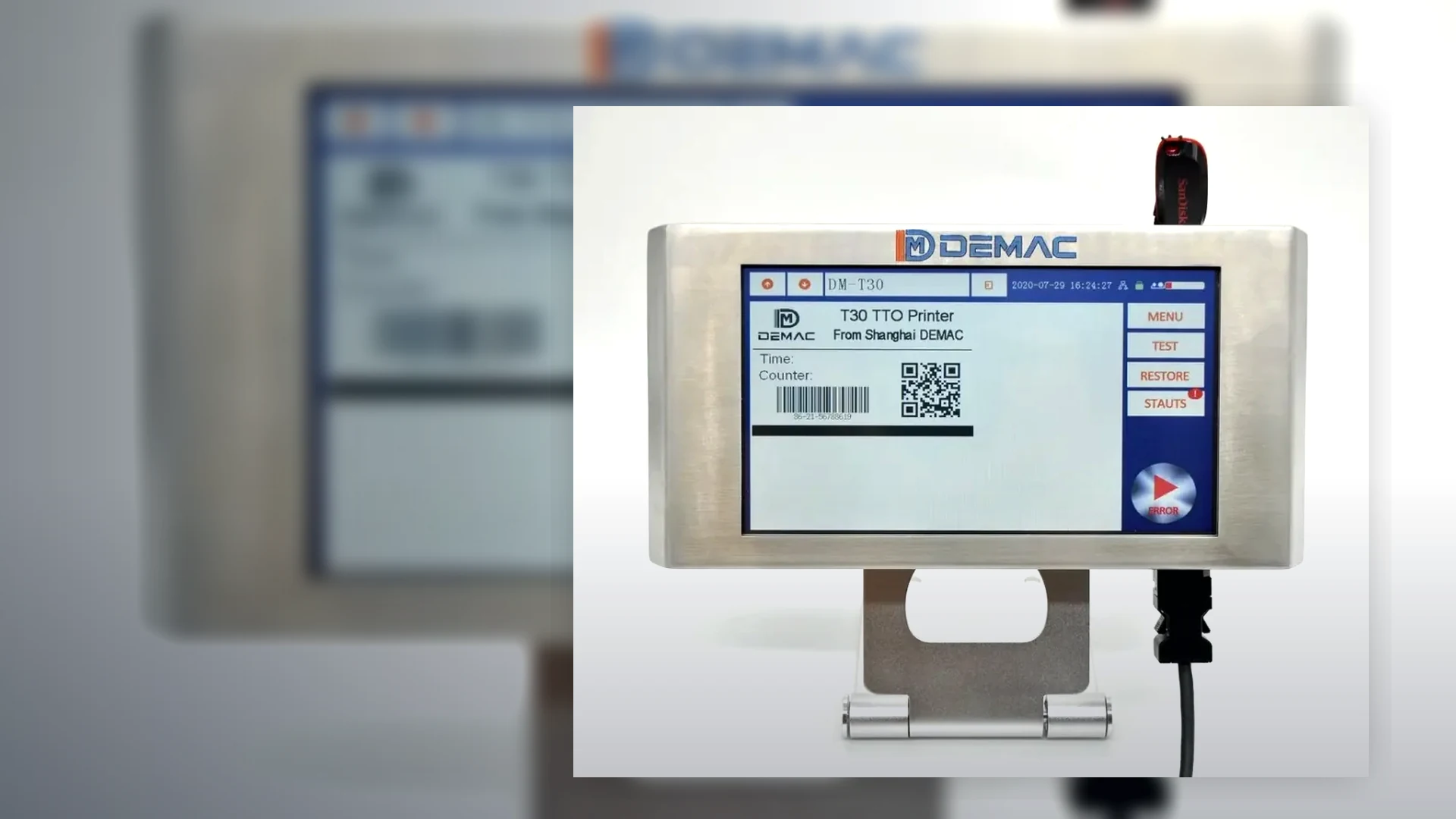
An IP rating describes the tested degree of protection provided by an electrical enclosure against access, solid objects and water under specified conditions. The coding-system requirement must be matched to the site's actual exposure. The rating of a controller cabinet does not automatically describe the printhead, connectors, cables, sensor, encoder, stand or any open door used during cleaning.
The IP Code is defined by IEC 60529. Use the exact model documentation and installation instructions rather than assuming that stainless steel construction or a high-looking number makes the whole system suitable for washdown.
No. A controller rating applies only to the enclosure and test conditions stated by the manufacturer. The printhead, umbilical, cartridge connection, ventilation opening, power isolator, junction box, sensor and cable glands may have different limits. Doors, caps and connectors must also be closed as required during exposure.
Confirm the rating, mounting orientation, door and connector conditions, drainage and any restriction on direct jets or cleaning chemicals.
Confirm protection for the head, cartridge or gutter area, photocell, encoder, beacon, brackets and plugs. Some parts may need shielding or removal.
Define which equipment remains in the cleaning zone, what is isolated or covered, and how water is prevented from tracking along cables into lower-rated components.
| Cleaning condition | Information to record | Selection consequence |
|---|---|---|
| Dry wipe or vacuum | Dust type, frequency, static risk and whether the printer is opened during cleaning. | Dust ingress, filter maintenance and exposed nozzle or cartridge protection may dominate. |
| Damp wipe | Cloth saturation, detergent, contact time and whether controls or connectors are wiped. | Material compatibility and sealed interfaces still need confirmation even without a hose. |
| Low-pressure rinse | Water direction, duration, temperature, distance and all exposed components. | Published enclosure protection and installation shielding must cover the complete rinse zone. |
| Foam and hose washdown | Chemical, concentration, water temperature, pressure, nozzle distance and cleaning sequence. | A site-specific review is required; electrical isolation, covers, relocation or a protected enclosure may be necessary. |
| High-pressure or hot-water cleaning | Maximum pressure, temperature, jet direction and whether exposure is direct or incidental. | Do not assume suitability from a generic IP claim. Confirm the exact system and protective method in writing. |
Cleaning chemicals can also create health and material-compatibility risks. The HSE notes that printing inks and cleaning solvents require appropriate exposure controls; use the exact safety data sheets and site risk assessment rather than treating ingress protection as a chemical-safety approval.
Request model-level confirmation for the controller, printhead, umbilical or printhead cable, power supply, I/O connectors, sensor, encoder, beacon, stand and any local junction box. Also confirm what protective covers or positive-air arrangements are required and what maintenance is needed to keep them effective.
Describe the full cleaning cycle, not only the room type.
Lancing can compare the exposed components and protective installation options.