Before buying
Check the sample pack, print location, character size and message format before choosing a machine.
Washdown areas need careful positioning, guarding and coder protection so the print system remains accessible and reliable.
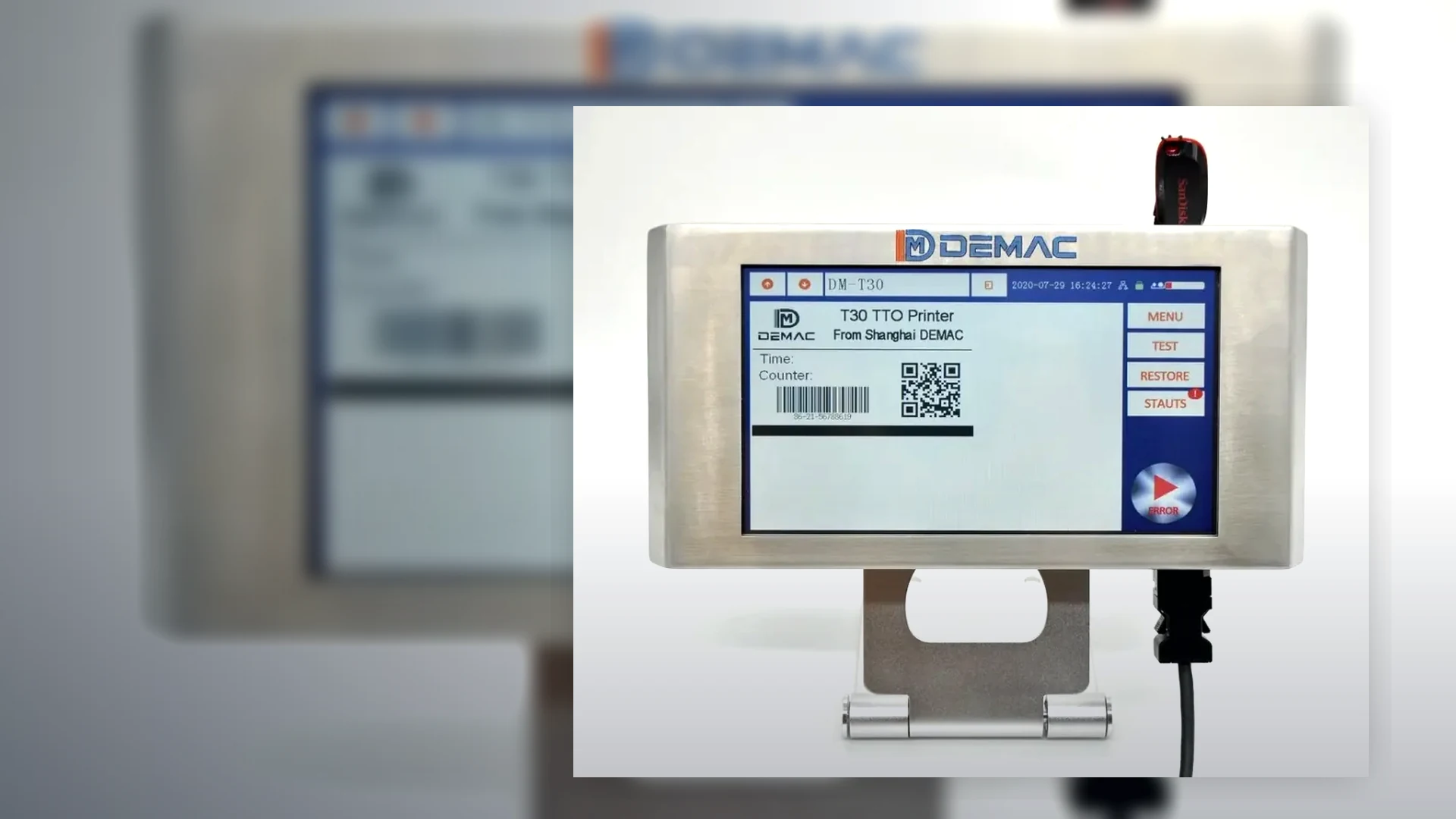
Inkjet coder advice for food and production areas where cleaning routines, moisture and protection need to be considered.
The right recommendation depends on the material, print area, expected contrast, dry time, production speed and how operators will change messages. Lancing can look at your sample pack and advise whether CIJ, TIJ, large character or handheld inkjet is the best fit.
Date, batch, lot, expiry, serial number, barcode, QR code or simple product identification.
Plastic, glass, metal, carton, label, sleeve, pouch, tray, sack, case or coated packaging.
Speed, printhead position, product sensor, encoder, brackets, guards and operator access.
Send the pack type, code example, line speed and available space. We can suggest the best coding route before you commit to a machine.
These pages are written around real packaging problems: substrate, line speed, print position, operator changeover and traceability content.
Check the sample pack, print location, character size and message format before choosing a machine.
Plan brackets, sensor position, encoder use, guarding and operator access around the actual line.
Confirm code legibility, dry time, message control and routine cleaning so the line can run with confidence.
Compare machine types and related print requirements before requesting a recommendation.
Yes. The usual print content is a date, batch number, lot code, expiry date, barcode, QR code or production reference. The best technology depends on the pack surface and line speed.
Ink choice and print position matter. A sample pack check helps confirm contrast, adhesion and dry time before installation.
Most installations can be designed around an existing conveyor or machine using brackets, sensors, encoders and practical guarding access.
Share your product, code content, line speed and pack material for practical UK advice.
Confirm the cleaning method, chemical, pressure, temperature, frequency, spray direction and whether the printer remains installed during cleaning. The controller, printhead, connectors, stand, sensor and cable entries may have different protection requirements.
Define which parts are covered, removed, isolated or cleaned in place and how trapped moisture is prevented.
Test the pack after condensation or wash exposure and review current SDS/COSHH requirements for consumables.
Provide isolation, guarding and access for cleaning, inspection and maintenance without disturbing print alignment.
Ask for the verified enclosure rating of the exact controller and head, permitted cleaning method, connector protection, operating temperature and humidity limits, plus the site actions required before washdown. Do not infer protection from another model or marketing family.