Support and maintenance
Inkjet coder servicing and troubleshooting support
Practical support for inkjet coder setup, cleaning routines, print quality issues, operator changeovers and production line reliability.
Application fit
Keep coding reliable between product changeovers
Poor code quality is often linked to setup, ink choice, product movement, cleaning routine or trigger timing. A structured support process helps operators identify the cause and keep the packaging line running with readable codes.
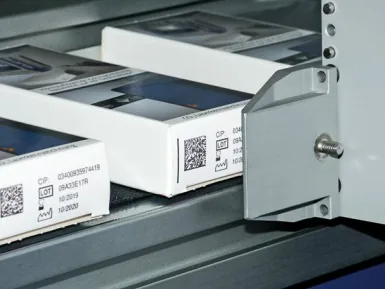
- Print quality checks for faint, stretched, missing or smudged codes
- Operator setup and changeover advice for repeatable coding
- Ink, substrate, dry-time and cleaning routine review
- Support for sensors, encoders, brackets and product presentation
| Support checks | Code sample, product photo, line video, speed, substrate, ink type and cleaning routine |
|---|---|
| Common issues | Unreadable codes, poor contrast, smudging, inconsistent position and data entry errors |
| Prevention | Sample testing, planned maintenance, clear job setup and controlled product presentation |
| Related options | Code quality guide, ink and substrate guide and support |
Specification notes
Support around the full coding process
Installation and support are strongest when the coder, product handling and operator workflow are treated as one process rather than separate items.
Have a sample, photo or line video?
Send detailsSend it with your enquiry so the coder type, bracket position, print head access and ink choice can be reviewed properly.
Related options
Helpful inkjet coding options
Compare related coder types, applications and specification guidance.
Ink and substrate guide
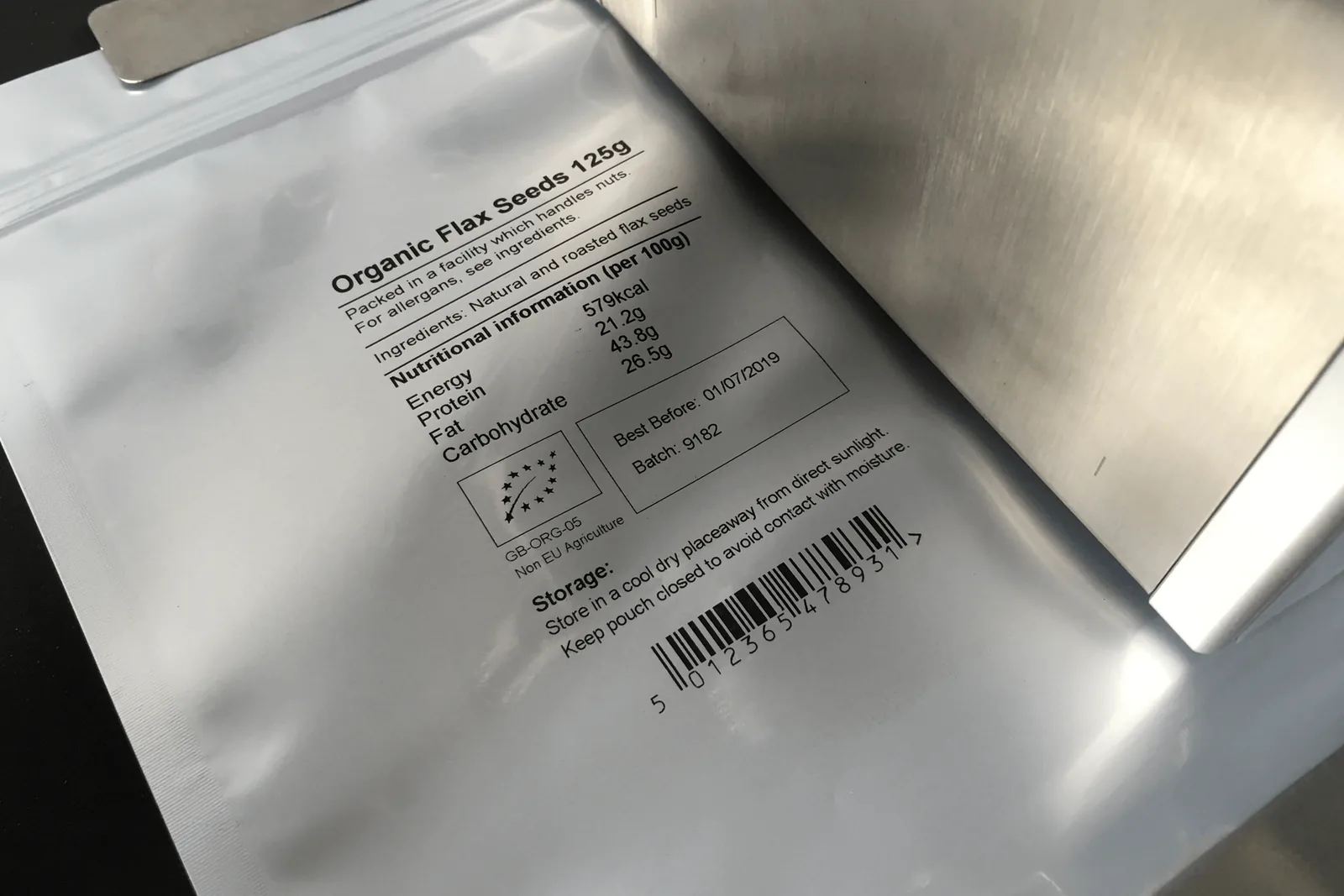
Match inkjet inks to plastic, glass, film, cartons, labels and coated packs.
View details →Inkjet coder support
Installation, mounting, troubleshooting and integration support for coding lines.
View details →Next step
Get a practical coding recommendation
Send pack photos, code artwork, material, speed, code position and available line space. Lancing can then advise on the most suitable inkjet coding route.
Need to print date, batch, lot or QR codes?
Tell us what you need to code and where the coder has to fit on the line.
Service planning
Use production risk and operating data to plan support
Service intervals, spares and operator checks depend on technology, ink, environment and duty. A support plan should prevent predictable stops and provide a clear route when production cannot recover safely.
Asset record
Keep model, serial, software, ink or cartridge, installation drawings, settings, backups, manuals and service history with the machine.
Planned work
Follow the exact manufacturer schedule and refine it from operating hours, environment, fault history and print-quality trends.
Critical spares
Choose parts from failure consequence, lead time and shelf life. Review the list after commissioning and recurring faults.
Operator boundaries
Define approved cleaning, replenishment, inspection and reset tasks. Escalate electrical, fluid-system, safety and software faults to trained personnel.
Remote support
Agree secure access, site authorisation, network responsibility and what can be diagnosed remotely without bypassing production or safety controls.
Performance review
Track code defects, alarms, consumable use, downtime and repeated interventions to identify application or maintenance causes.
Information to provide with a service request
Send the model and serial number, ink or cartridge, alarm text, recent changes, photographs of the print and printhead, a short video, operating hours and steps already taken. Do not clean away all evidence before recording the fault unless safety or product protection requires it.
Related service and ownership pages
Provide the machine reference and fault history for the correct service route.
Request coding supportService questions
Questions about cleaning, maintenance and spares
How often should an inkjet coder be cleaned?
Cleaning frequency should follow the exact model instructions and the observed production condition, not a universal calendar interval. Dust, ink mist, adhesive, condensation, shift pattern and stop/start frequency can change the need. Use routine inspection criteria and record abnormal build-up.
Which cleaning tasks are suitable for operators?
Operators should perform only documented tasks covered by training, isolation requirements and approved materials. Typical boundaries may include visual checks, external wiping, cartridge change or model-specific nozzle care; internal fluid work and repairs may require trained service personnel.
What signs suggest the printer needs technical service?
Repeated alarms, unstable print after approved cleaning, abnormal fluid use, leaks, failure to start, recurring missing dots, communication faults or increased rejected packs justify structured diagnosis. Send alarm history, exact times, samples and recent changes before parts are replaced.
Why should unapproved cleaning fluid not be used?
An unapproved cleaner can damage seals, cartridges, coatings or electronics and can leave residue that worsens adhesion or nozzle performance. It may also introduce safety and waste-handling risks. Use only the method and product specified for the installed ink system.
Which spares and consumables should be held on site?
Hold model-approved inks, make-up fluid or cartridges plus risk-based wear and cleaning items identified by the service plan. Stock should reflect lead time, production criticality, shelf life and storage conditions rather than a generic spare-parts list.
Lifecycle support
Dedicated training, consumables and upgrade guidance
Separate routine servicing from the wider ownership tasks that keep the coding process controlled. Use the dedicated pages for role-based training, model-specific consumables and planned replacement.